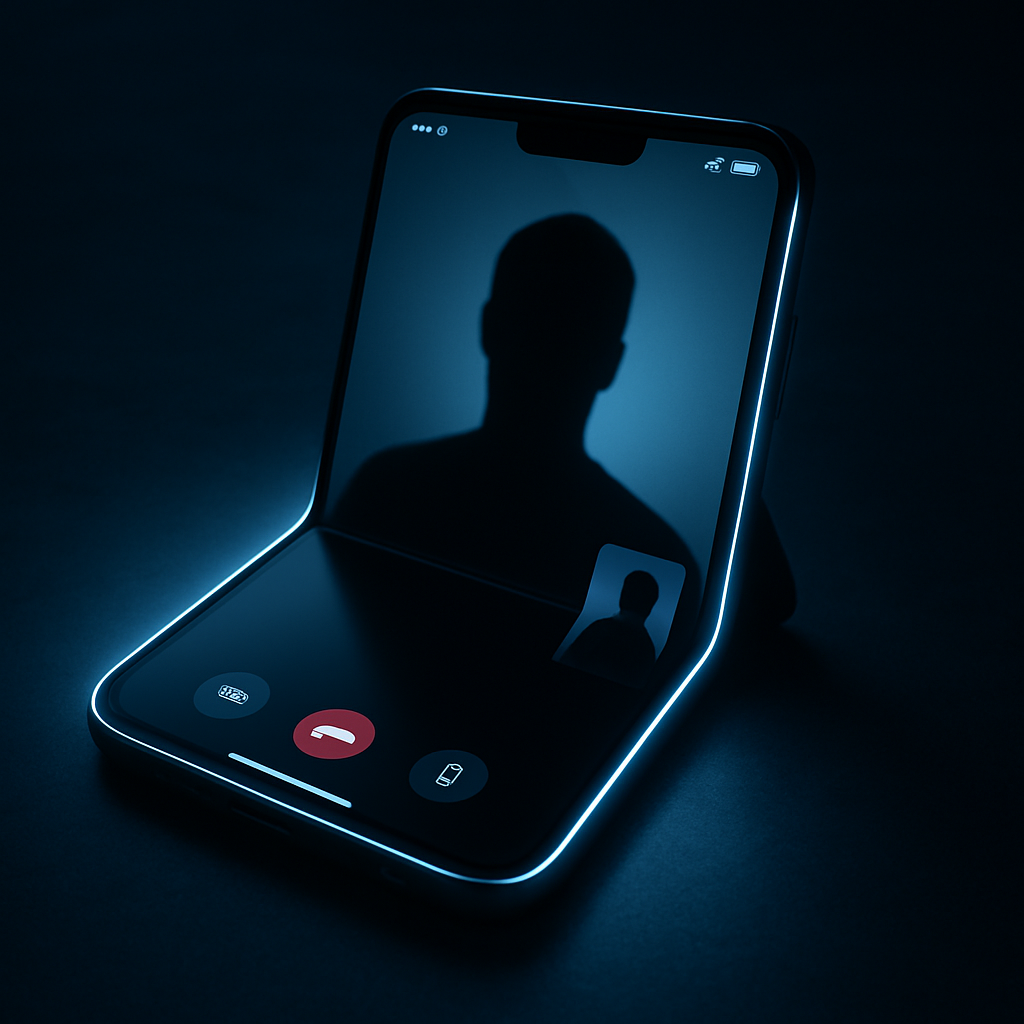
Apple’s highly anticipated foldable phone—rumored to launch as the “iPhone Ultra”—is generating strong confidence from analysts, but several trade-offs are expected to soften the impact of its radical design.
IDC Bullish on Early Foldable iPhone Shipments
According to IDC, Apple’s entry into the foldable phone market could push the iPhone Ultra to ship over 10 million units during its first year. Many expect the announcement at Apple’s “Surprise and Shine” event, reportedly on September 9. Despite a projected starting price north of $2,000, the foldable phone is seen as a strong driver for category growth—especially as IDC forecasts Apple may capture up to 40% of all foldable shipments by 2027.
Counterpoint Research also weighs in, estimating that “book-type” foldables like the Ultra will make up about three-quarters of global foldable phone shipments in 2026, jumping from 52% to 76% of the market year-over-year. That shift—alongside Apple’s expected entry—is projected to fuel a category growth rate of around 12.6% this year and accelerate to roughly 18% next year. Meanwhile, the foldable segment overall may avoid the double-digit declines analysts initially feared. These projections underscore how Apple’s presence alone could reshape the foldable landscape.
What the iPhone Ultra Might Be Missing
Despite the excitement, leaks suggest Apple’s foldable will make several compromises. Key omissions reportedly include the telephoto lens; instead, the device is believed to retain only Main and Ultra Wide cameras, both at 48MP. The MagSafe charging ring also appears to be absent. Other features that may be dropped are the Action button (and potentially the mute switch), Face ID (replaced by a side-button Touch ID), and physical SIM support—apparently all in service of maintaining a very thin foldable design. A dual-display Face ID setup could add complexity and thickness Apple seems keen to avoid.
How iPhone 18 Pro May Win Against Ultra
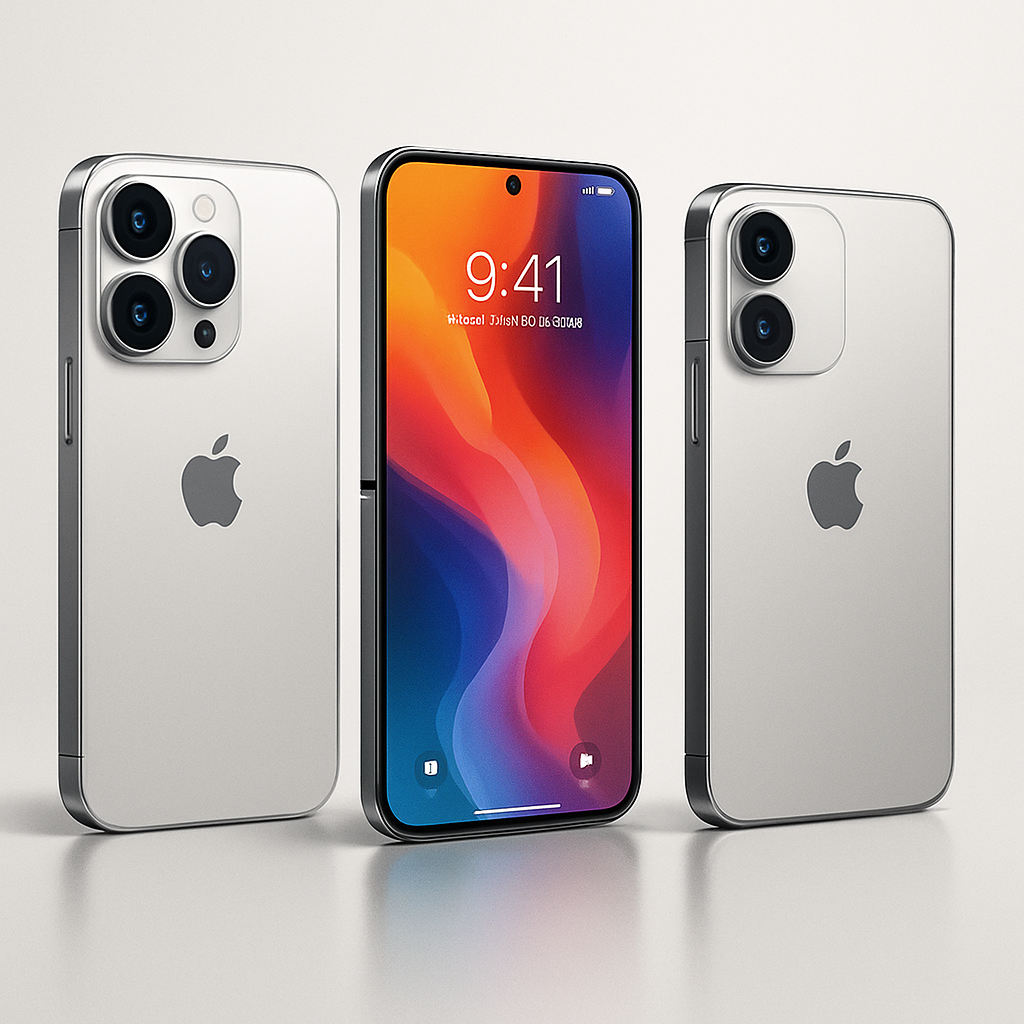
Meanwhile, the iPhone 18 Pro and Pro Max are expected to receive upgrades that play to strengths foldables may not match. A standout is a rumored variable aperture in the main camera—something Ultra may not support due to space constraints. Battery life is also poised to be a highlight: Pro Max versions are said to include roughly 10% larger capacity batteries, enabled further by efficiency gains from the upcoming A20 Pro chip and Apple’s new C2 modem. In contrast, Ultra’s slim form could force compromises in battery size. Design changes are in store too for the Pros: Apple is reportedly shrinking the Dynamic Island cut-out significantly, pushing Face ID components under the display for a cleaner look, unifying the two-tone back, and introducing a new Dark Cherry or Burgundy color to succeed Cosmic Orange. These tweaks are expected to make the Pro line feel fresh without departing from what long-time iPhone users already appreciate.
Trade-offs aside, the iPhone Ultra’s arrival still promises to be a watershed moment for Apple. Expectations for shipments, design, and feature balance all point to a bold launch—one likely to influence both competitors and the broader foldable market.