Zach Cregger—the writer-director behind *Barbarian*, *Weapons*, and the new *Resident Evil* adaptation—relies heavily on his iPhone in the early stages of his filmmaking process. A new video shared via Apple TV, unveiled by Apple’s marketing leader Greg Joswiak, highlights how Cregger uses the device alongside a specialized app to visualize and concretely plan every detail of a film before cameras roll. This includes shot framing, lens choices, and even layout of scenes—orchestrated down to printed images that guide the crew.
Pre-Production in the Palm of Your Hand
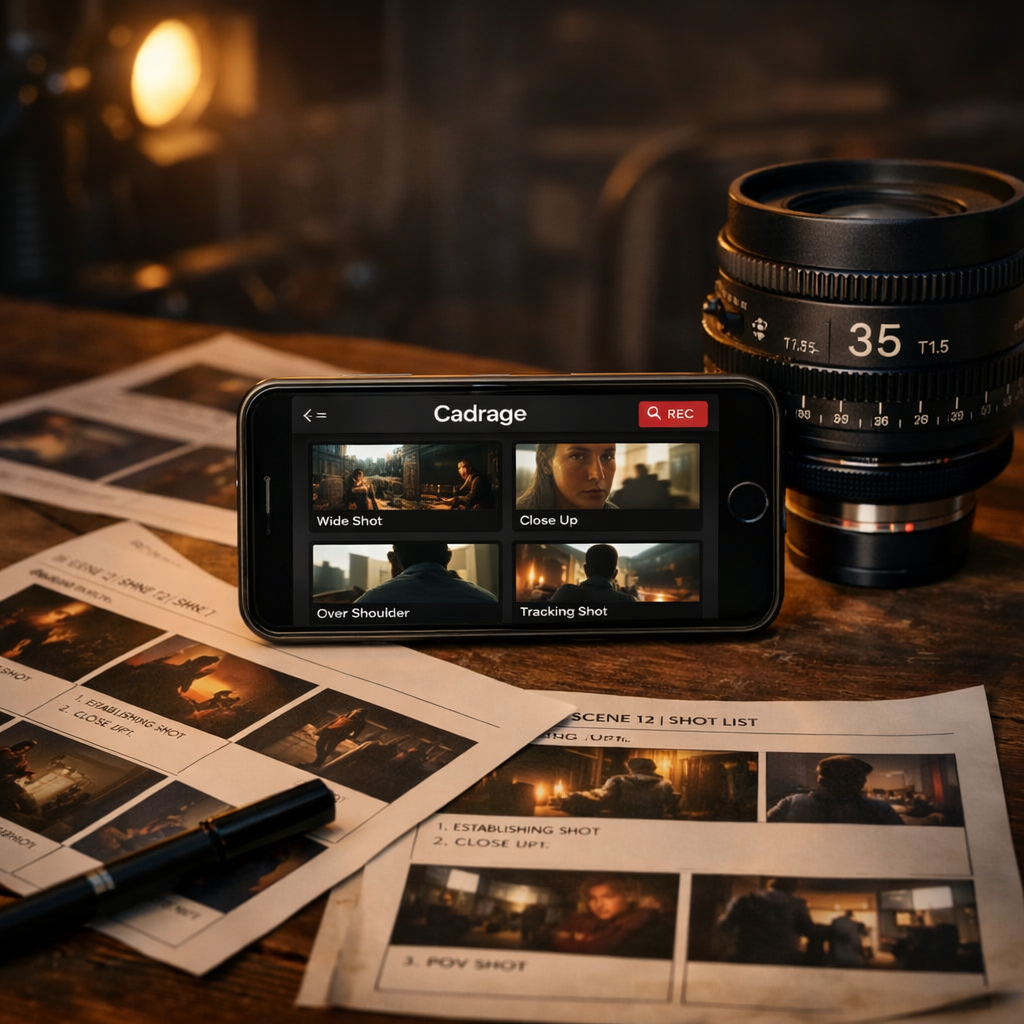
Cregger incorporates the Cadrage app on his iPhone to sketch out scenes long before filming begins. With this tool, he maps out what shots he needs, what lenses suit each, and which elements should occupy the frame. After capturing these visual guidelines on his phone, he prints images for his crew, ensuring everyone knows exactly what’s expected. This workflow was used in *Barbarian* and *Weapons*, both written and directed by Cregger, and he says every scene in those films was planned in this photo-previsualization step.
Cadrage is more than just a viewfinder app—it helps map workspace ahead of time. Features like shot lists, lens selection, and framing visualization all feed into a shared visual vocabulary between the director, crew, and department heads. It gives structure and clarity in a phase where many decisions are still fluid.
From iPhone to Big Screen: Resident Evil and Beyond
In *Resident Evil*—now available to rent or buy via the Apple TV app—Cregger continues this previsualization technique. By planning with his iPhone and using Cadrage for layout and lensing decisions, he brings consistency and efficiency even to large-scale productions. The process reduces guesswork, tightens shot coordination, and ensures that the visual storytelling is purposeful from the ground up.
This hands-on, minimalist approach emphasizes the idea that filmmaking isn’t just about what tools you ultimately use—it’s also about how early you think visually and how precise you can get with preparation. It’s not about replacing a studio camera with a phone; it’s about using what’s in your pocket to build the scaffolding for what happens on set.
For context: *Barbarian* (2022) first declared Cregger as a creative force in horror. *Weapons*, his follow-up, pushed bigger budgets and deeper narrative scope. The *Resident Evil* take is his largest undertaking yet, adapting a well-known franchise with game roots and franchise expectations. Though the visual stakes are high, Cregger’s phone-first planning style remains at its core.
Using technology this way isn’t entirely new—many filmmakers run test shots, storyboards, and preproduction apps—but Cregger’s insistence on printing photo guides from an iPhone step crosses into territory usually reserved for much larger planning teams. It shows a blending of guerilla-style ingenuity with big-budget discipline.
This matters because it underlines a growing truth in modern filmmaking: storytelling beats gear. By previsualizing with everyday devices, creators gain flexibility and clarity without waiting until production to solve problems. And for Cregger, whose trajectory has gone from comedy troupe beginnings to horror hits and now a marquee franchise, it’s a method that keeps him nervous, nimble, and in control. What to watch: whether the visual identity of *Resident Evil* reflects this phone-rooted process in its final form, and whether more filmmakers of big-budget projects embrace similar workflows in the years ahead.