In an era where smartphone technology advances rapidly, many users find themselves questioning the necessity of upgrading to the latest models. This contemplation is particularly relevant as numerous individuals continue to use older devices that still meet their daily needs.
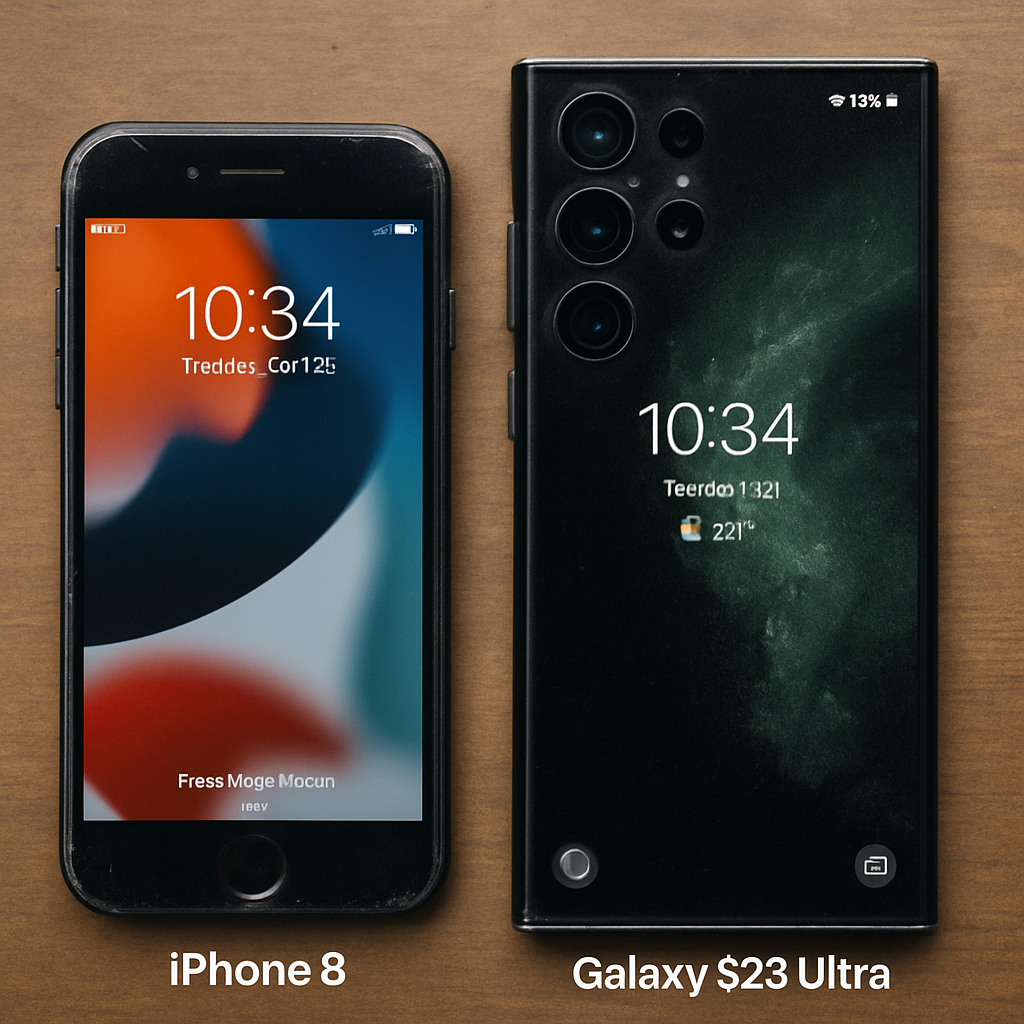
Consider the case of a user whose father has been using an iPhone 8 for several years. Despite its age and wear, the device continues to function adequately, leading to the question: if a device isn’t significantly broken, is there a need to replace it?
Reflecting on personal experiences, the user revisited the Galaxy S23 Ultra, a device that served as their primary phone for approximately 18 months before transitioning to the Pixel 9 series. The Galaxy S23 Ultra remains fast, smooth, and equipped with an excellent camera, even after sustained use. This suggests that certain smartphones maintain their performance and relevance well beyond their initial release.
Similarly, the Pixel 7a, a mid-range device from three years ago, continues to perform efficiently without noticeable lag or issues. This indicates that mid-tier smartphones can also offer longevity and reliability over time.
The broader trend shows that consumers are holding onto their smartphones longer than ever before. This shift may be attributed to the plateau in hardware innovations among standard smartphones over the past several years. With minimal changes in design and functionality, users find less incentive to upgrade frequently.
Given this context, it’s worth considering: what is the oldest smartphone you would feel comfortable using daily? Are you currently using an older device that continues to meet your needs? Share your thoughts and experiences in the comments below.
As smartphone technology matures, the necessity for annual upgrades diminishes. Users are recognizing that older devices can still provide satisfactory performance, leading to longer usage cycles and a more sustainable approach to technology consumption.