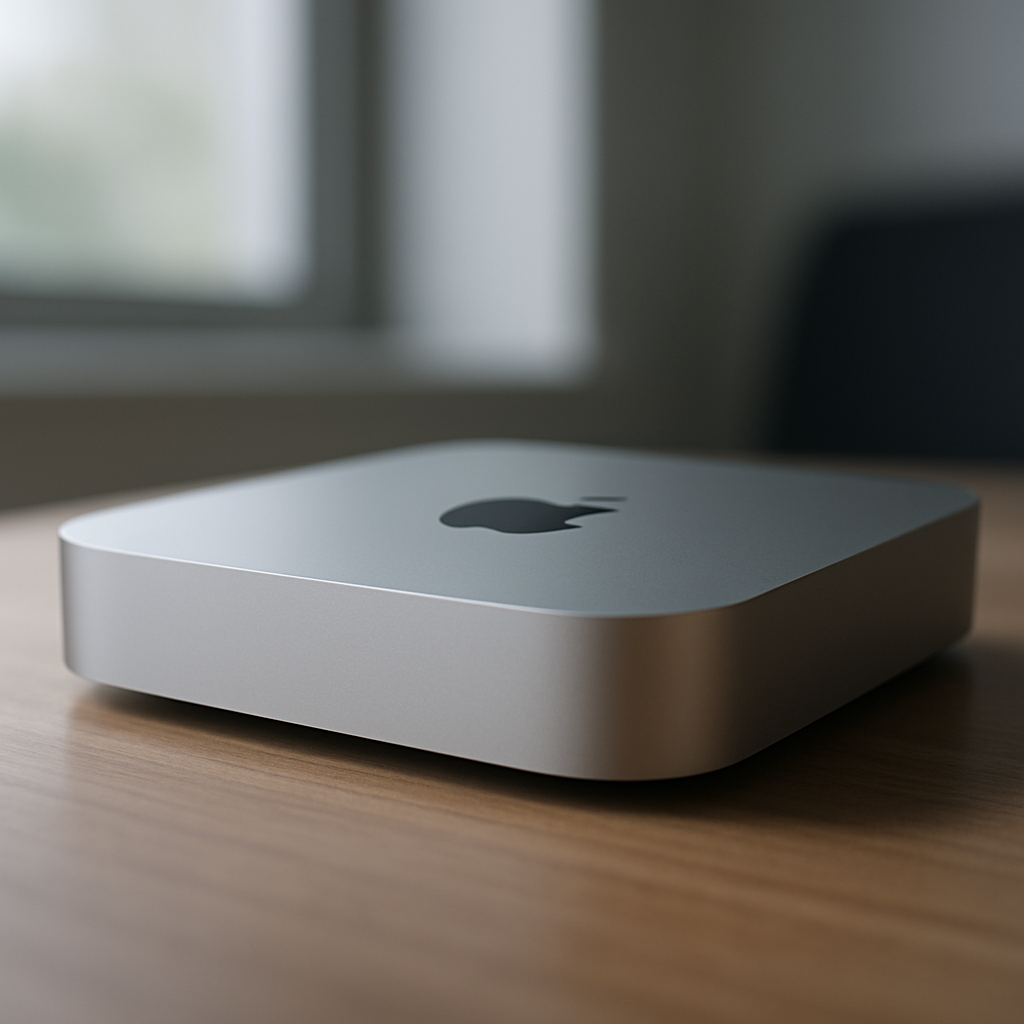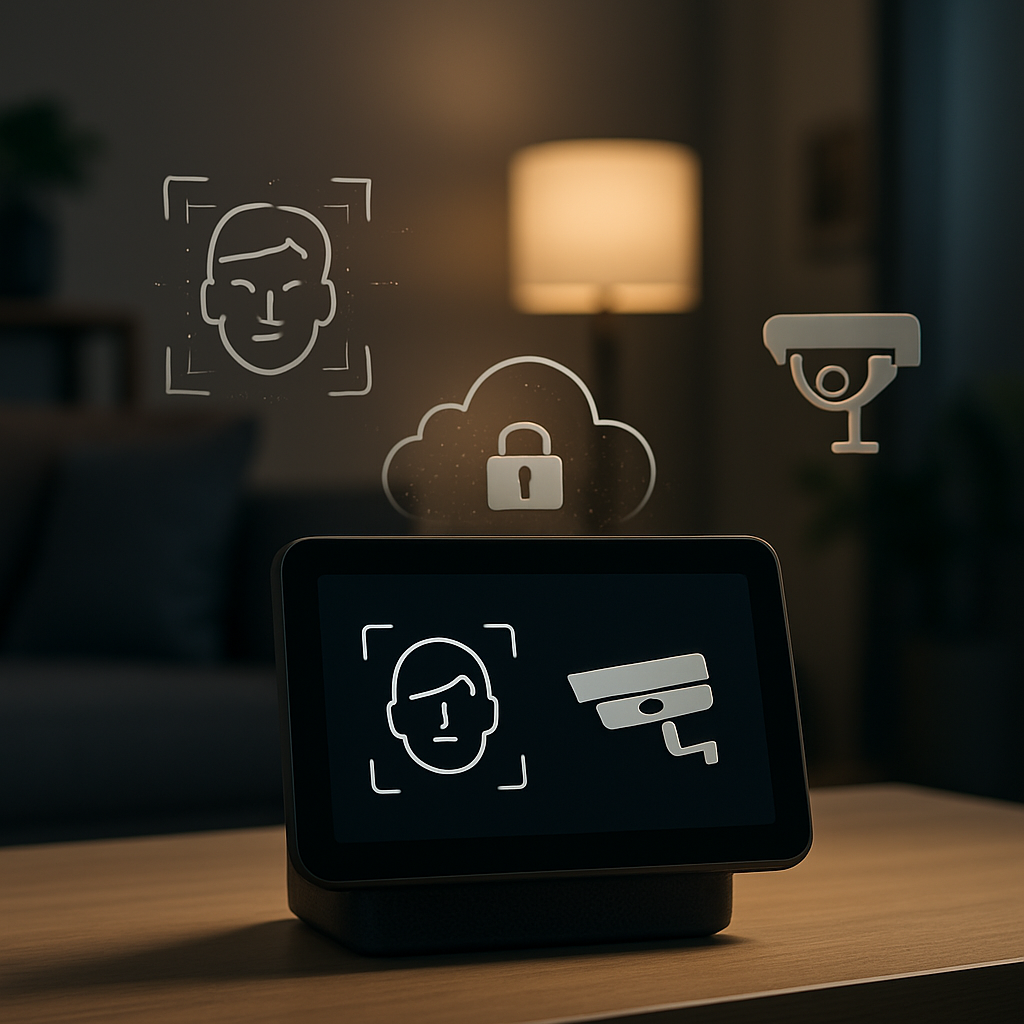
Apple’s upcoming smart home hub, HomeView, is built with privacy-first design in mind. Designed to recognize up to six users, it delivers personal home screens loaded with individualized apps and widgets, while keeping shared content—like photo albums and music—accessible to everyone in the household, including guests. Personal items such as messages and calendar entries only appear when the device confirms the user’s face and a linked iPhone or iPad has been recently unlocked.
Even without a paired device, HomeView maintains privacy so long as it can recognize the user, the device was recently connected to the same Wi-Fi, has an active cellular connection, remains in the same location, and was unlocked recently.
Secure Exclaves and On-Device Processing
The hub’s A18 chip introduces Secure Exclaves—dedicated, isolated environments handling camera and microphone streams separated entirely from the rest of the system. No component outside those enclaves—including apps, users, or even Apple—can access data processed there.
Voice commands processed via Siri also benefit from this privacy architecture. Requests may be handled locally four or by using Private Cloud Compute for cloud-based processing; in both cases, Apple asserts that none of this data is stored or made accessible to outside parties.
End-to-End Encryption for Smart Camera Insights
For compatible security cameras, HomeView integrates end-to-end encryption to support detection of people, recognizable faces, pets, packages, and vehicles. These enriched features rely on iCloud and require a subscription to function.
This combination of biometrics, device authentication, isolated hardware, and encrypted cloud services forms a layered privacy framework. Apple’s approach seeks to balance individualized experience with strong safeguards, even when devices are shared.
What This Means
HomeView leans heavily into trust: by processing sensitive data on isolated hardware or in transient, privacy-protected cloud systems, it limits exposure. As households adopt shared tech, maintaining privacy per individual becomes crucial. Watch for how well these systems perform in real-world conditions—face recognition, reliable switching between users, and that promise of zero access to stored data. If HomeView delivers, it could reset expectations for smart home privacy standards.