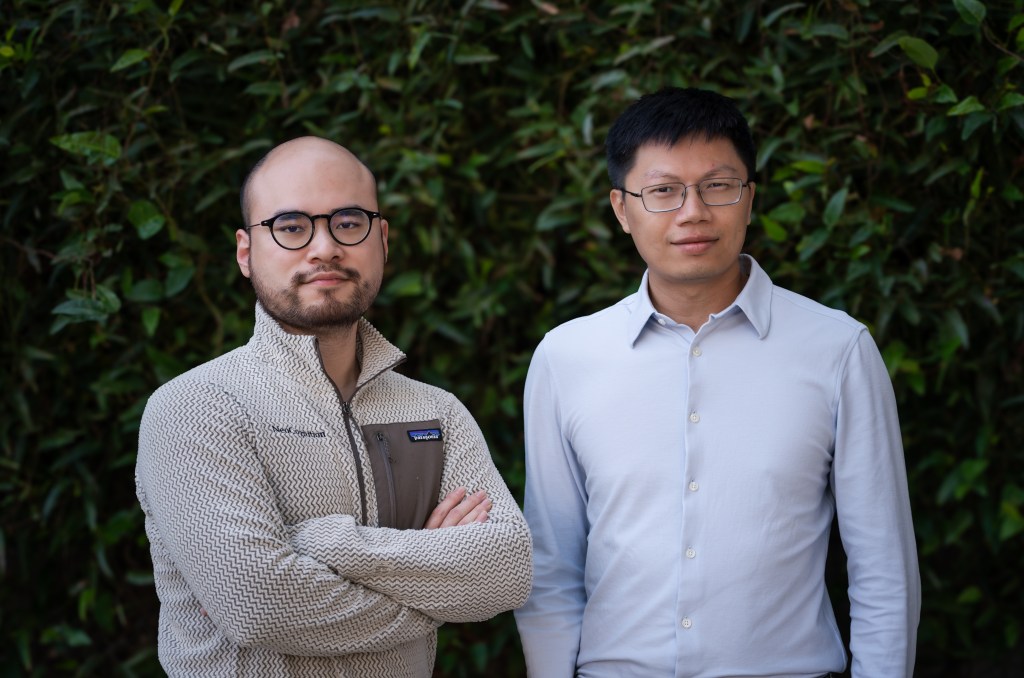
HiddenLayer, a startup specializing in AI security, has raised $100 million in Series B funding as businesses rush to safeguard their use of artificial intelligence. The company focuses on protecting AI models, agents, and workflows from adversarial attacks, vulnerabilities, and malicious code injections — threats that are becoming increasingly urgent in today’s rapidly evolving AI landscape. As AI adoption surges, so has the demand for tools to secure not just the models themselves but the agents, add-ons, and infrastructure that support them.
The fresh investment, led by Delta-v Capital with participation from Ten Eleven Ventures, Microsoft’s M12 fund, Morgan Stanley, Booz Allen Hamilton, and others, arrives at a pivotal moment for the industry. Analysts estimate that spending on AI security tools will reach $2.83 billion this year — up 83% from 2025 — and nearly $4.78 billion in the next year. HiddenLayer has benefited directly from this momentum: its annual recurring revenue has grown more than tenfold over the past year.
Expanding Coverage: From Traditional Models to GenAI and Agents
Since the company’s Series A round three years ago, the security threats around AI have broadened. HiddenLayer has extended its core offerings — discovery, runtime protection, attack simulation, and supply chain security — to also counter prompt injection, agent manipulation, and malicious tool use. These newer threats pose unique challenges because they target not just the model but the pipeline, the prompts, and the external code or tools integrated into AI workflows.
One of HiddenLayer’s current priorities is securing open-source models. The company parses and scans dozens of AI file frameworks to verify that a model is what it claims to be, guarding against instances where malicious or hidden models are embedded within legitimate ones. This move addresses risks that large organizations face when incorporating open-weight models — transparency and authenticity become critical.
Customers, Use Cases, and Strategy Moving Forward
The bulk of HiddenLayer’s clients are in financial services and large tech firms building AI products. It also supports federal contracts with the Department of Defense and intelligence agencies. A top customer is described as a “leading frontier model provider” with over 700 million weekly users — likely referring to companies like OpenAI or Anthropic.
The new capital will accelerate HiddenLayer’s sales, distribution, engineering, and research efforts, while supporting expansion into Europe and the broader EMEA region. Co-founder and CEO Chris Sestito acknowledges that some AI security functionality could eventually be built into platforms from major tech companies. But he believes the market will continue to demand specialized tools for threat discovery, identity, governance, and runtime security — particularly as AI plays a larger role in mission-critical operations.
HiddenLayer still faces stiff competition from both established cybersecurity giants and other startups that are similarly racing to build or acquire AI security capabilities. Companies like Cisco, Palo Alto Networks, and Check Point may prefer to integrate these tools themselves; meanwhile, startups such as Noma and Zenity are pursuing adjacent spaces while raising their own large funding rounds. HiddenLayer’s challenge now is turning its current lead into sustainable dominance before the rest of the market catches up.
This fundraising signals a watershed moment in AI defense. As deployments move from experimental to essential, the threats they face escalate — pushing organizations to demand security that covers every layer, from models to agents to supply chains. HiddenLayer’s success shows just how much urgency there is. For the industry, what to watch next includes whether incumbents buy out specialists like HiddenLayer, whether regulatory frameworks will standardize requirements, and whether these security tools can keep pace with the speed of AI innovation.