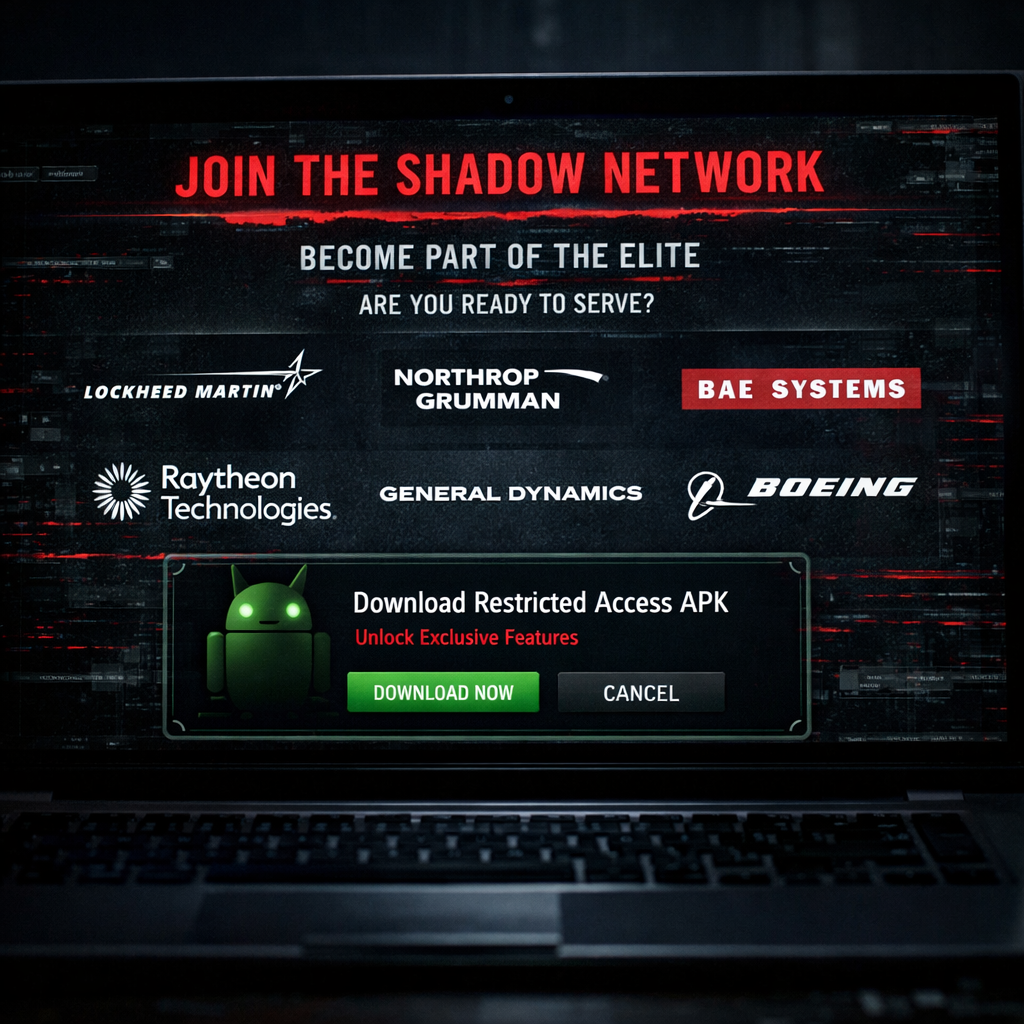
Cybersecurity researchers have uncovered a growing GravityRAT spyware campaign where attackers use counterfeit recruitment portals featuring logos of major defense firms like Lockheed Martin, Airbus, and BAE Systems. The fake site is named “Global Recruiter” and offers job seekers, especially in India, résumé-building tools tied to foreign employers—tools that secretly deliver spyware instead of legitimate utility. The campaign is not an indication the defense companies were breached.
Targets are mostly job applicants in India chasing roles with foreign defense contractors. In the past year, security data revealed infections on at least 14 devices in India—a number limited by what analysts could detect externally. It remains unconfirmed whether individuals in other nations or in military and defense sectors have been hit in this campaign. The spyware’s reach, however, began long ago. Researchers linking it to threat groups aligned with Pakistan have traced GravityRAT back to at least 2015 and found versions targeting Android, Windows, and macOS devices.
How the Attack Works
The fake portal “Global Recruiter” lures users with promises of overseas job connections and resumes. It displays clients like Thales, Rheinmetall, Northrop Grumman, Saab, Rolls-Royce, and Safran to build credibility. Visitors are encouraged to download an Android file named GlobalRecruiters.apk (package: com.resumee.resumebuilder), bypassing the Google Play Store via sideloading with misleading prompts—claiming delays under review instead of outright bans or safety notices.
Parallel to that, there’s a Windows-based lure dubbed DropDeckX, presented as cloud storage software. Behind the scenes, DropDeckX can steal credentials and system data, set persistence via the Windows Task Scheduler, and fetch additional malware. These variants share infrastructure—domain registrations or name server setups—pointing to a shared operator. Other related strains have also been observed under the name HeavyLift.
GravityRAT’s Capabilities and Warning Signs
Once installed, GravityRAT regularly uploads files to attacker-controlled servers. It grabs a wide array of private or system-level information: contacts; SMS—past and present; call logs; location data via GPS; photos, audio, documents; Wi-Fi configuration; hardware identifiers like IMEI; even encrypted backups from messaging apps with file extensions such as .crypt12 through .crypt32. While it can collect these encrypted files, there’s no proof operators have decrypted them.
To spot a potential infection or prevent one, job seekers should cross-check vacancies on official corporate career portals and steer clear of downloading résumé or interview apps outside of vetted app stores. Installing an app via direct APK instead of from Google Play is a strong red flag. Defense organizations or security teams should monitor software inventories, hashes, and file presence on systems and devices. Investigated indicators of compromise include specific SHA-1 hashes, domains like recruitersglobal[.]net or androidasynclib[.]com, and command-and-control endpoints such as an-east.androidannotations[.]com or web.dropdeckx[.]com.
Anyone who suspects their personal or work device has been compromised by the fake recruiter app should immediately inform their security team. Early detection helps avoid broader exposure.
This campaign underscores how malware operators exploit job-hunting anxieties and national pride, using high-status brand logos to bypass skepticism. Because GravityRAT has been active for years and now attacks across multiple operating environments, awareness and vigilance are more critical than ever. Watch for indirect signals—unofficial app installs, logo misuse, and fake recruitment pitches—as they may be the tip-offs to sophisticated spyware campaigns.