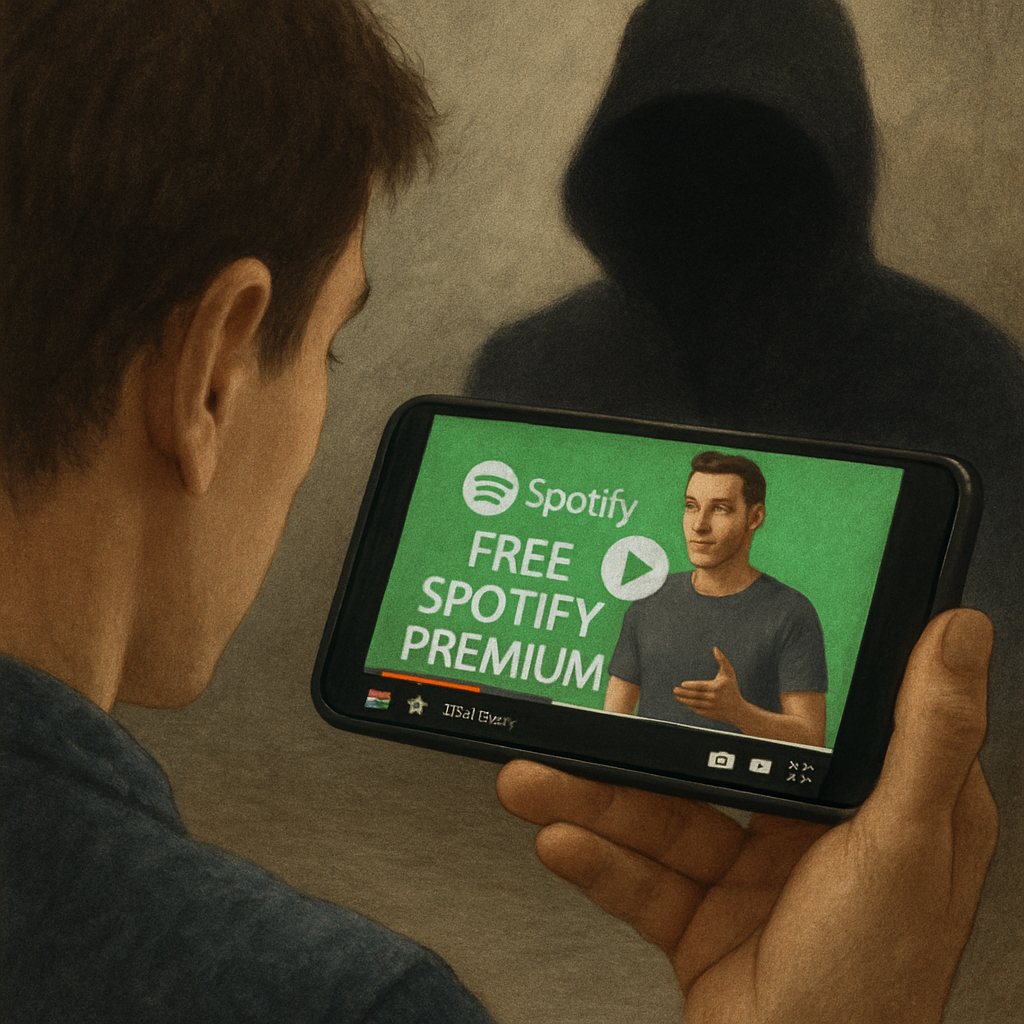
Cybercriminals are increasingly leveraging popular social media platforms like TikTok and Instagram to distribute malware, enticing users with offers of free software such as Spotify Premium. This tactic involves posting professionally crafted tutorial videos that guide viewers through steps to obtain these services at no cost. However, instead of delivering the promised benefits, these videos lead users to inadvertently install the Vidar infostealer on their Windows devices.
Vidar is a notorious information-stealing malware designed to covertly extract sensitive data from infected systems. Once installed, it can harvest browser passwords, autofill data, cookies, cryptocurrency wallet information, two-factor authentication details, and even data from TOR browsers. The collected information is then transmitted to servers controlled by the attackers, granting them access to the victim’s personal and financial data.
Deceptive Social Media Campaigns
In these campaigns, attackers create social media accounts with names like “windows.tips” or “windows.insights,” posting videos that mimic legitimate tech support content. These videos are tagged with relevant keywords to appear alongside authentic troubleshooting guides in search results and recommendation feeds. The tutorials instruct viewers to open PowerShell, a legitimate Windows administrative tool, and input specific commands. Unbeknownst to the user, these commands download and execute the Vidar infostealer in the background, effectively bypassing traditional security defenses.
Broader Implications and Security Risks
The use of social media platforms for malware distribution signifies a shift in cybercriminal strategies, exploiting the trust users place in these platforms and the content shared on them. This method allows attackers to reach a vast audience with minimal effort and cost. The sophistication of these campaigns, including high-quality video production and strategic keyword tagging, makes them particularly effective and challenging to detect.
To protect against such threats, users should exercise caution when encountering offers of free software or services, especially those requiring the execution of commands or the download of files from unverified sources. It’s crucial to rely on official channels for software downloads and updates. Additionally, maintaining up-to-date antivirus software and being vigilant about the authenticity of online content can help mitigate the risk of malware infections.
As cybercriminals continue to adapt their methods, leveraging social media for malware distribution is likely to become more prevalent. Users must remain informed and cautious, scrutinizing the sources and legitimacy of online content to safeguard their personal and financial information.