Hackers Exploit Evilginx to Bypass Multi-Factor Authentication and Hijack Cloud Accounts
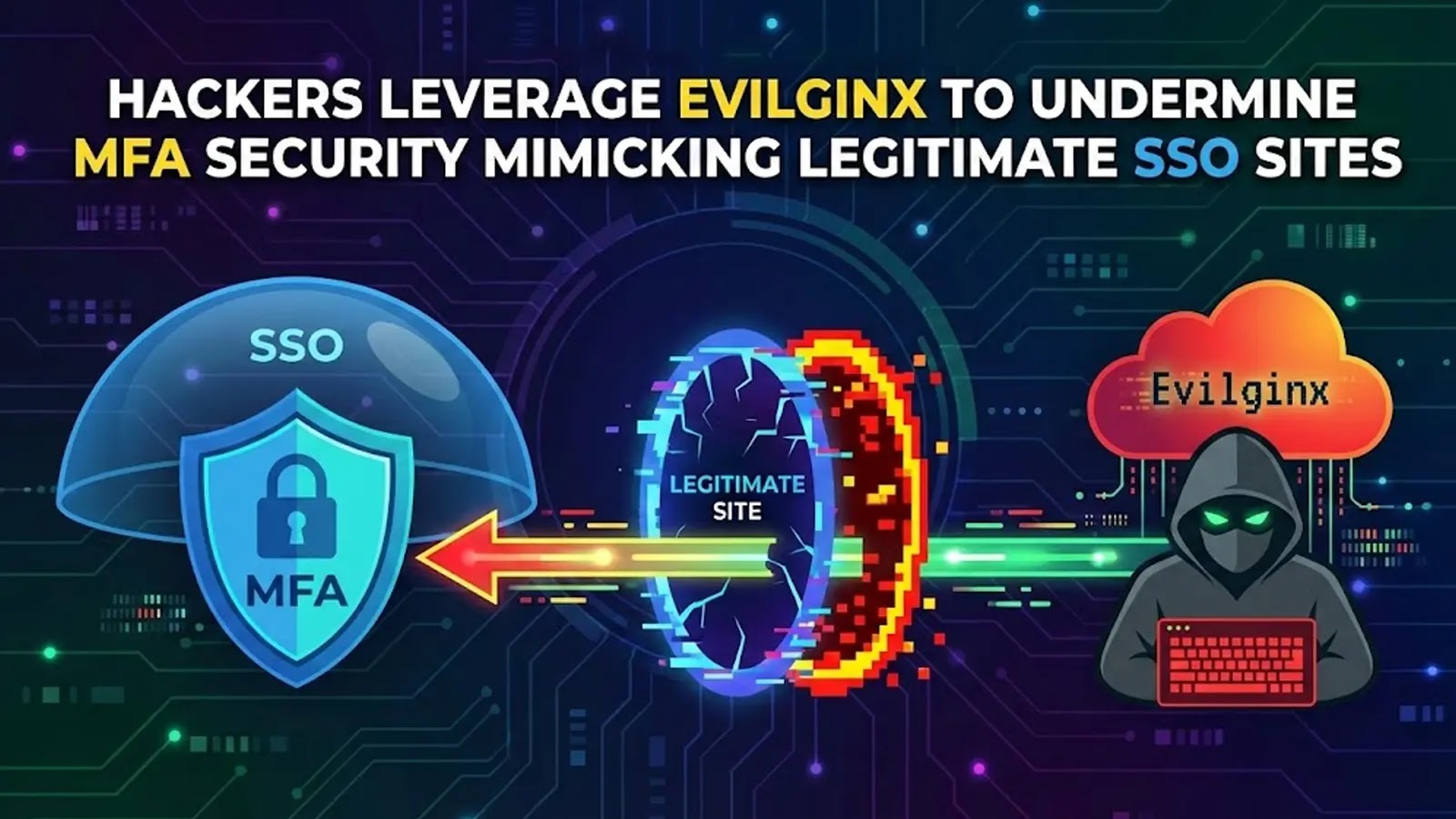
In a concerning development, cybercriminals are increasingly utilizing Evilginx, an advanced adversary-in-the-middle (AitM) tool, to circumvent multi-factor authentication (MFA) mechanisms and gain unauthorized access to cloud-based accounts. This technique involves creating deceptive single sign-on (SSO) portals that closely mimic legitimate login pages, thereby tricking users into divulging their credentials and authentication tokens.
Understanding Evilginx and Its Functionality
Evilginx operates as a reverse proxy, intercepting communication between a user and the genuine SSO service. When a victim accesses a counterfeit login page crafted by attackers, Evilginx relays the interaction to the actual SSO provider in real-time. This setup ensures that the fraudulent site mirrors the legitimate one in appearance and functionality, including valid TLS certificates and familiar branding elements.
The Attack Process
The attack typically begins with targeted phishing emails that direct recipients to these meticulously designed fake SSO portals. Once the user enters their credentials and completes the MFA process, Evilginx captures the session cookies and tokens. These stolen session identifiers allow attackers to impersonate the user without needing further authentication, effectively bypassing MFA protections.
Recent Campaigns and Targets
Security analysts have identified recent campaigns where Evilginx was employed to replicate legitimate corporate SSO sites, leading to unauthorized access to email and collaboration platforms. The stolen session cookies enable attackers to maintain prolonged access to compromised accounts, facilitating activities such as reading emails, resetting passwords, deploying new MFA methods, and establishing persistent backdoor access.
Technical Breakdown of Evilginx’s Evasion Techniques
Evilginx’s effectiveness lies in its ability to evade detection. By forwarding all content from the legitimate SSO site, including scripts and dynamic prompts, it renders traditional visual inspections ineffective. The use of valid certificates on domains that closely resemble legitimate ones further enhances the illusion of authenticity. Underneath, Evilginx manipulates headers and cookies to maintain session continuity while extracting sensitive information for malicious use.
Implications and Recommendations
The implications of such attacks are severe, encompassing business email compromise, data theft, and the establishment of long-term unauthorized access that is challenging to detect. To mitigate these risks, organizations should implement the following measures:
– Enhanced User Training: Educate employees to recognize phishing attempts and the importance of verifying the authenticity of login pages.
– Advanced Threat Detection: Deploy security solutions capable of identifying and blocking AitM attacks and monitoring for unusual session activities.
– Regular Security Audits: Conduct periodic reviews of authentication processes and access controls to identify and address potential vulnerabilities.
– Adaptive MFA Solutions: Consider implementing adaptive MFA mechanisms that assess risk factors and adjust authentication requirements accordingly.
By staying vigilant and adopting comprehensive security strategies, organizations can better protect themselves against sophisticated threats like those posed by Evilginx.