Japan’s leading taxi-hailing service, Go, has successfully raised ¥88.6 billion ($553 million) through its recent initial public offering (IPO). This significant capital infusion is set to propel the company’s ambitions in autonomous vehicle technology and strategic acquisitions, addressing the pressing issue of a declining taxi driver workforce in Japan.
Established in 1977 as a traditional taxi operator, Go has evolved into the nation’s largest ride-hailing platform, boasting 35 million downloads and partnerships with 85,000 vehicles. The app commands an 80% share of Japan’s taxi app market by usage time, operating across 46 of the country’s 47 prefectures.
The Japanese taxi industry faces a critical challenge: a substantial reduction in the number of drivers, attributed to an aging population and a lack of new entrants into the profession. This decline has intensified the need for innovative solutions to maintain and enhance urban mobility services.
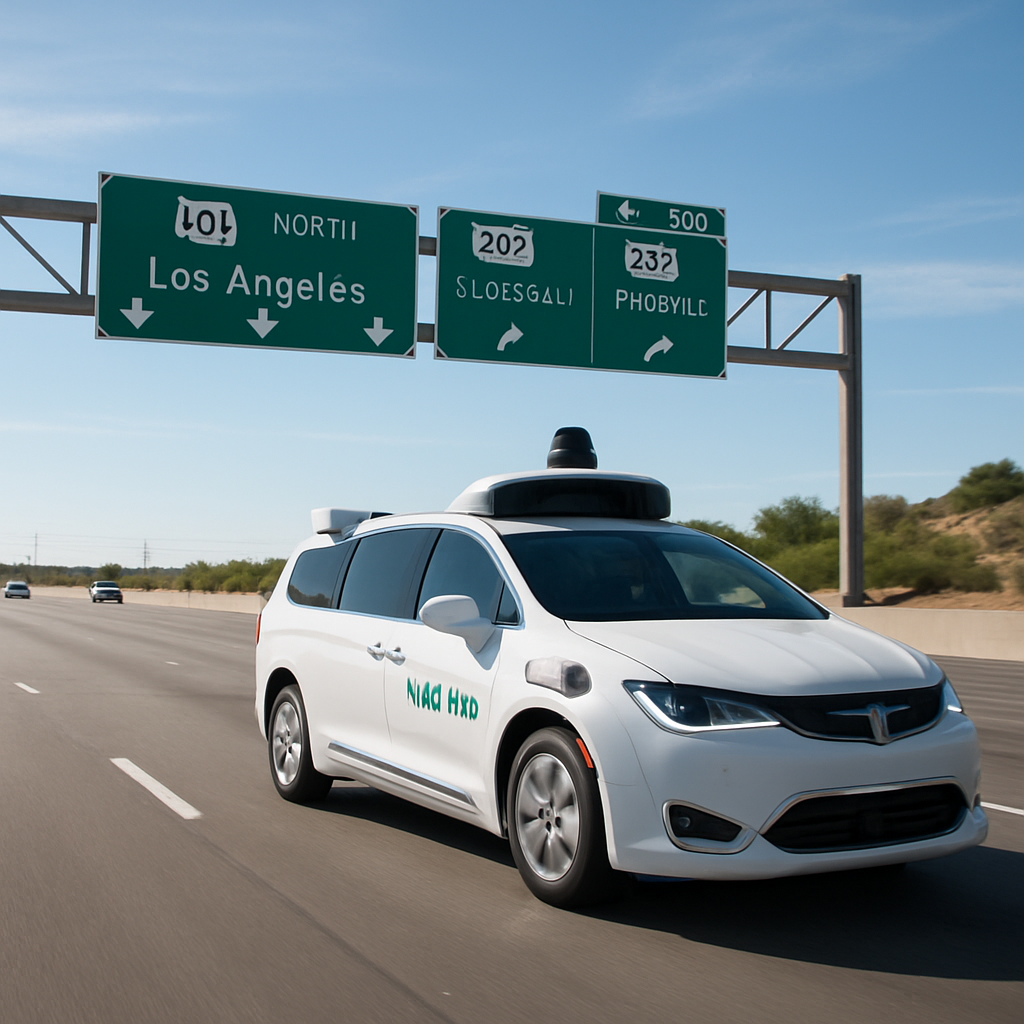
In response, Go is channeling its IPO proceeds into the development of robotaxis and pursuing strategic mergers and acquisitions. The company has formed a partnership with Waymo, Alphabet’s autonomous driving subsidiary, and Nihon Kotsu, a major Japanese taxi operator. Within this collaboration, Go is responsible for strategic coordination, aiming to integrate autonomous vehicles into its service offerings. While a definitive timeline for fully driverless operations has not been established, Go plans to commence autonomous driving without human specialists once the technology is validated and regulatory approvals are secured.
To enhance its traditional services, Go has also partnered with international platforms such as Kakao T, Alipay, and WeChat Pay. These collaborations enable travelers from South Korea, China, and Taiwan to access Go-affiliated taxis directly through their native applications, thereby expanding Go’s user base and improving service accessibility for international visitors.
Go’s strategic initiatives underscore a broader trend in the transportation sector, where companies are increasingly investing in autonomous technologies to address labor shortages and improve service efficiency. The success of Go’s IPO and its subsequent investments highlight the growing importance of innovation in maintaining competitive advantage in the evolving mobility landscape.