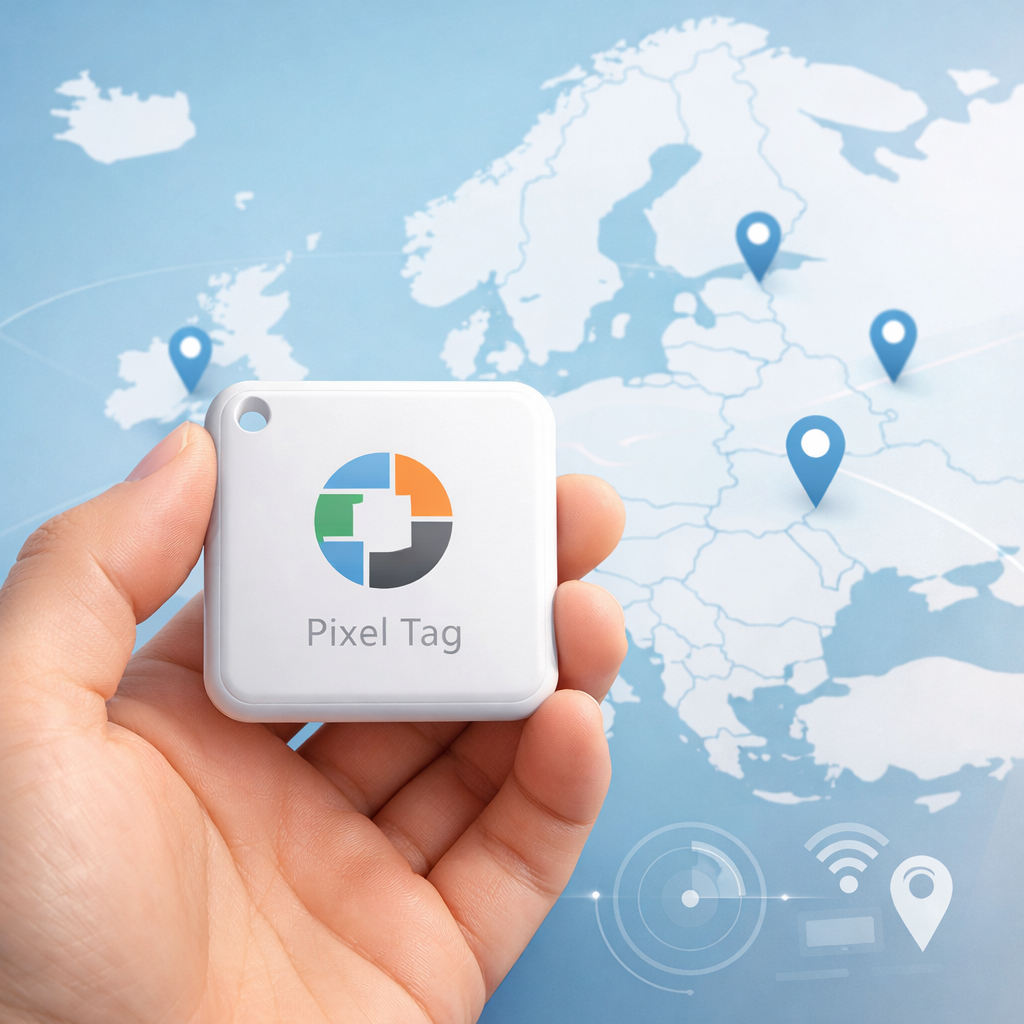
Google’s first-party tracker, the Pixel Tag, is poised to launch in Europe in the near future, according to a recent leak. The tracker, which joined the Android Find Hub network earlier this year alongside the Pixel 11, has been sold in many regions—yet Europe, particularly most EU countries, was initially left out except for the UK. A social media post by prominent leaker Roland Quandt confirms that European availability is now “coming pretty soon.” <\p>
The Pixel Tag serves as Google’s answer to tracking devices like Apple’s AirTag or Tile, allowing users to locate items through the Android Find Hub network. While it launched in eight countries—including the U.S., Canada, Australia, India, Japan, and the UK—it was unavailable across much of continental Europe. The most recent leak suggests that this situation is about to change. <\p>
What’s changing and what remains uncertain
The biggest shift is that Europe will finally gain market access. According to the leak, Google is preparing to make the Pixel Tag officially available there within an unspecified timeframe. Though the phrase used was vague—“pretty soon”—there are no firm dates or specific countries listed in the announcement. <\p>
Another big concern for potential buyers has been compatibility. Because the Pixel Tag relies on the Android Find Hub infrastructure, there were doubts about whether Europe’s network of Android users would support the tags—both from a technical standpoint and in terms of legality. If the tag is officially sold in Europe, Google presumably confirms full functionality in the region—but the leak does not explicitly guarantee that support, regulatory approval, or network access issues are fully resolved. <\p>
Why this matters
Tracker products like the Pixel Tag thrive on network effects. Their usefulness hinges on having enough other compatible devices nearby to relay signals. By launching in Europe, Google not only expands its hardware footprint but also strengthens the Android Find Hub ecosystem. More users means better coverage, improving the chances of finding lost items reliably. <\p>
This also has implications in the competitive landscape. Apple’s ecosystem of Find My and AirTag still leads, but Google’s move could narrow the gap—especially for Android users in Europe. It may also pressure rivals to enhance interoperability, coverage, or pricing. <\p>
Of course, there are regulatory hurdles—EU law around tracking devices, privacy, wireless communications, and spectrum use vary by country. Any misstep could delay or limit the product’s rollout. <\p>
What to watch for: keep an eye on which specific European markets get the Pixel Tag first, whether local regulatory bodies approve it, pricing compared to U.S./UK versions, and whether key features like precise tracking or network-based alerts are enabled. <\p>
Google’s plan to expand Pixel Tag availability into Europe marks a critical step in growing its Find Hub network and improving ecosystem reach. If executed well, it could offer Android users a better alternative to high-profile trackers and reshape expectations around interoperability, privacy, and hardware competition in the tracking space.