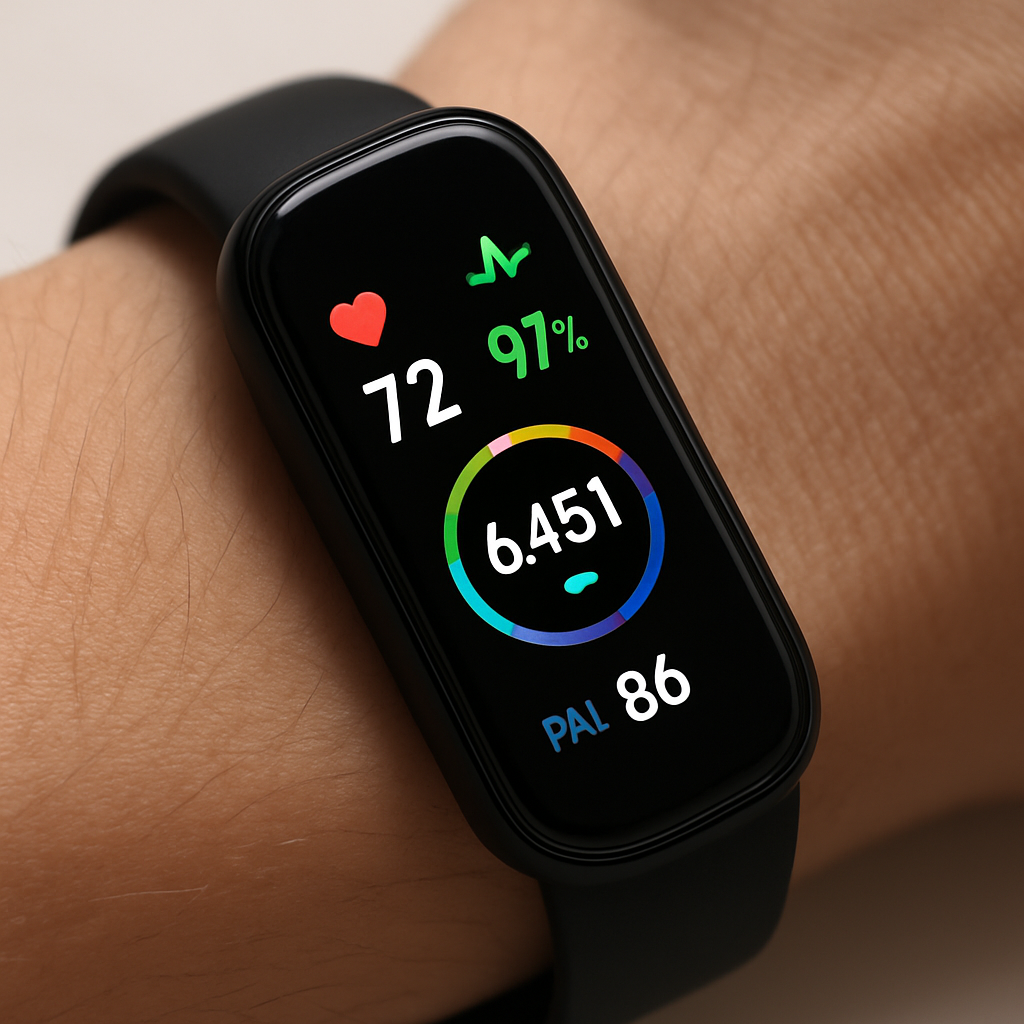
Google is reportedly positioning its upcoming Fitbit Edge as a mid-tier fitness tracker priced around $180. The device aims to bridge the gap between the fully featured Pixel Watch 5 and the pared-down Fitbit Air, offering a compact design with a screen for notifications and health features someone might expect from a smartwatch.
What the Edge Offers
Leaked information suggests the Fitbit Edge will feature a 1.34-inch AMOLED display and offer up to seven days of battery life when its always-on display (AOD) is disabled. If AOD is enabled, battery longevity drops to roughly two days. The charger also promises a quick-charge capability, providing enough power for a day’s use with just five minutes of charging.
In terms of durability, the Edge is expected to carry an IP68 rating along with 5 ATM water resistance—making it suitable for everyday water exposure and shallow swimming. Connectivity includes Bluetooth 5.4, and compatibility spans Android 11 or newer as well as iOS 16.4 and above.
Health Tracking & Additional Features
Health sensors go beyond the basics. Alongside step count and heart rate monitoring, the Edge is said to track blood oxygen (SpO₂), blood pressure trends, glucose or insulin trends, offer ECG capabilities, VO₂ max, and more. The weight is expected to come in at about 17.7 grams.
The device also reportedly supports Gemini, a form of Google Play integration, and includes a user-replaceable battery—a departure from many wearables on the market. Importantly, it will remain compatible with iPhone devices, unlike Google’s Pixel Watch line.
Pricing & Availability
In Europe, the Fitbit Edge is expected to cost approximately €179, while in the U.K. pricing is tipped at around £159. Based on those figures, a U.S. retail price of about $180 is inferred. A firm release date hasn’t yet been confirmed, though insider clues and leaks suggest the smartwatch is set to launch soon.
The Edge follows earlier leaks showing its styling and basic build, and confirms that Google aims to cater to users who want more than a fitness band—but less bulk and cost than a full smartwatch.
Why This Matters
The Fitbit Edge potentially fills an increasingly crowded middle ground in wearable tech. With full smartwatches offering extensive features and bare-bones fitness trackers minimizing cost and complexity, this segment may attract users seeking best of both worlds. The inclusion of health metrics like blood pressure and insulin trends signal shifting expectations for budget‐friendly wearables.