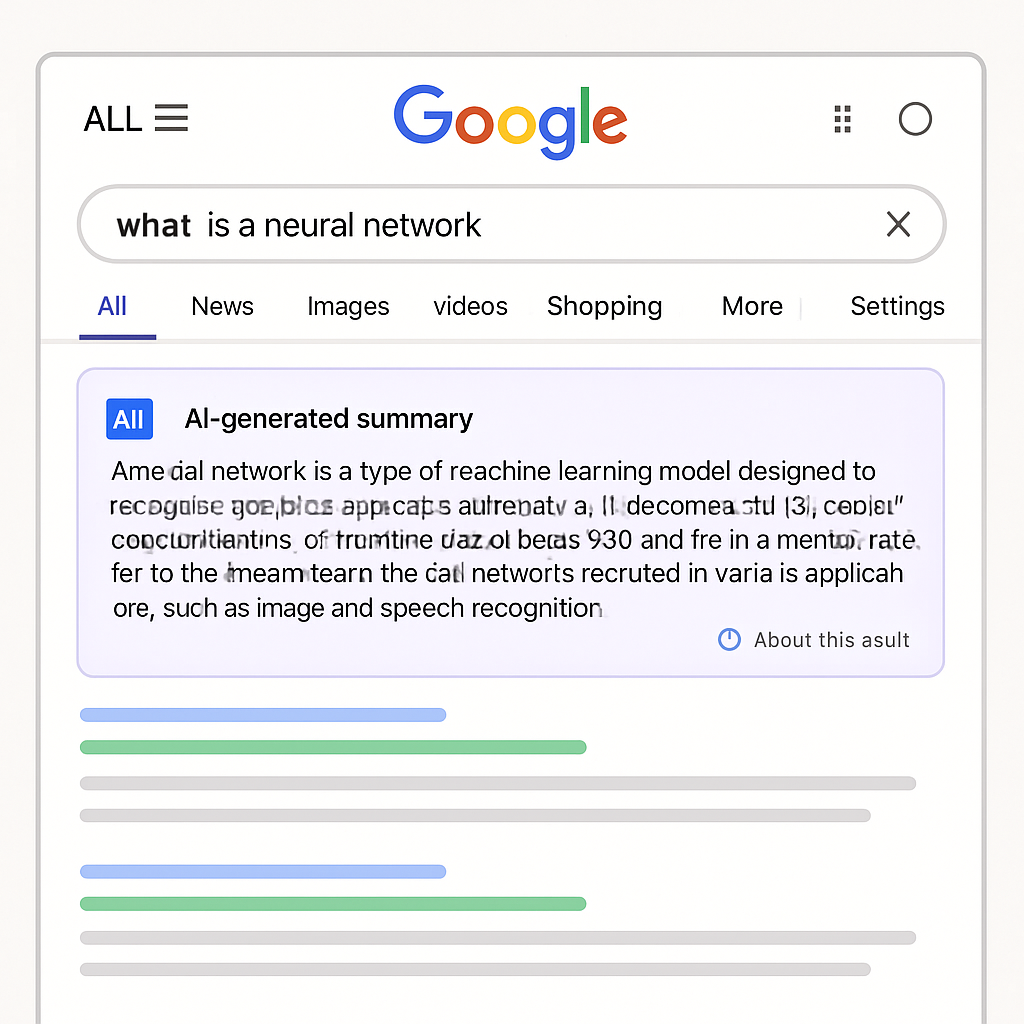
Google’s integration of AI-generated answers into its search engine has seen a significant increase over the past year. The feature, known as AI Overviews, now appears in 43% of search queries, up from 15% a year ago. This shift indicates a fundamental change in how users interact with online information.
AI Overviews provide users with concise, AI-generated summaries at the top of search results, reducing the need to click through to external websites. This development has led to a notable increase in user engagement with Google’s platform. Data from Similarweb shows that visits to Google’s AI Mode, which offers a more conversational search experience, rose from 126 million in June 2025 to 279 million by May 2026. Additionally, the average length of search queries has increased, suggesting users are adopting more natural, conversational language when interacting with AI-driven search features.
While these advancements enhance user convenience, they pose challenges for content publishers. The prominence of AI-generated summaries means users are less likely to visit external sites, leading to a decline in referral traffic. This trend has been particularly impactful for news organizations and other content providers that rely on search-driven traffic. In response, some companies, like Cloudflare, have introduced tools to block AI crawlers from accessing their content unless compensation agreements are in place.
Despite these challenges, there are signs of adaptation. For instance, ChatGPT’s desktop referrals in the U.S. improved following a search update on May 7, 2026. The proportion of visits landing on webpages more than doubled from 25% in March 2026 to nearly 60% by the end of May. This suggests that when AI-driven search results include prominent links, users are more inclined to click through to external sites.
Google’s transformation from a gateway to the web into a primary information destination underscores the evolving landscape of online search. As AI continues to reshape how information is accessed and consumed, both users and content creators must navigate the balance between convenience and the sustainability of the broader web ecosystem.