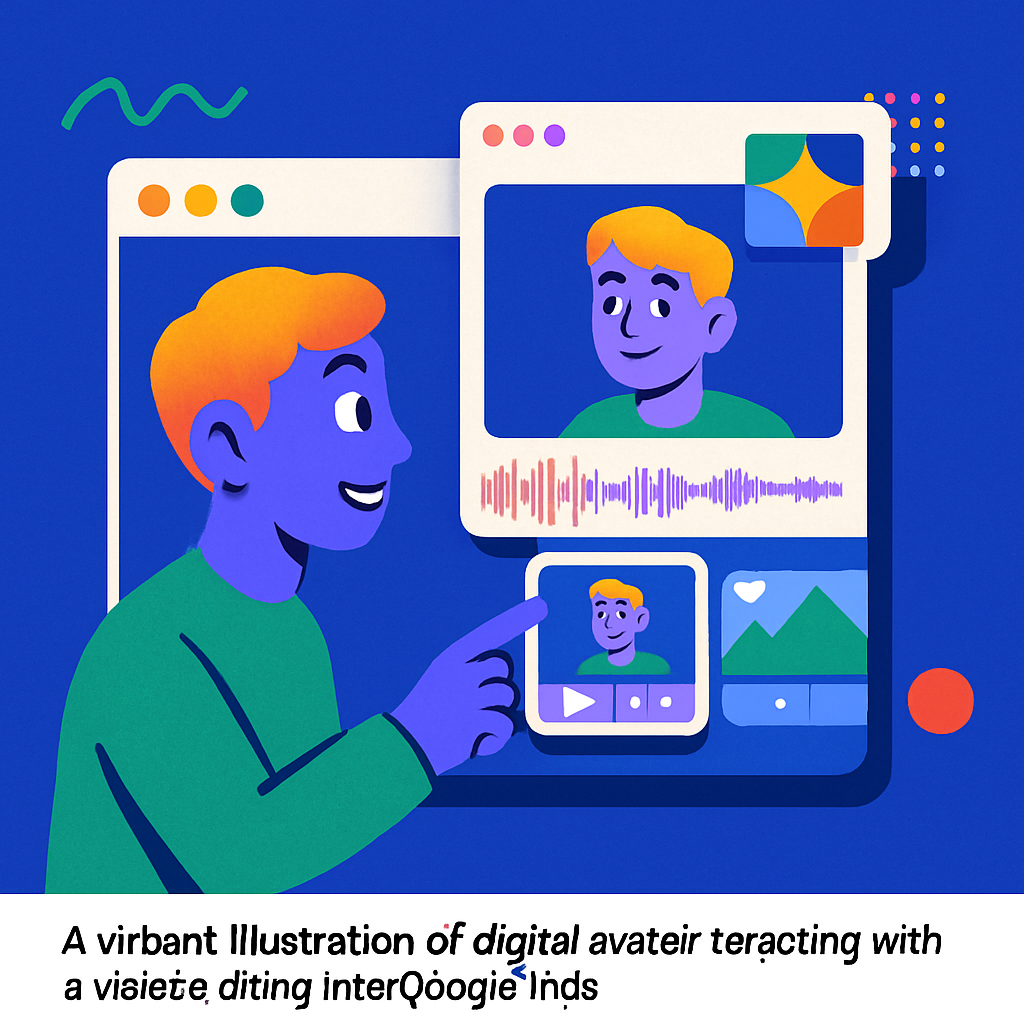
Google Vids, the video creation tool within Google Workspace, has announced that its AI avatar feature is now accessible to free account holders. This expansion comes as the platform reports a monthly user base of 7 million.
AI avatars in Google Vids serve as digital presenters, allowing users to update their messages or content by re-scripting as needed. The integration with Google Slides enables seamless conversion of presentations into videos, with the platform automatically generating storyboards and scripts for the avatars.
Users can select from a gallery of high-quality avatars or create custom ones using Nano Banana 2. Free personal accounts are now allocated 10 video generations per month, which can be used for both avatars and Veo video generation. This feature is initially available in the United States, with plans for a global rollout later this summer.
In addition to expanding access, Google is introducing the capability to adjust the emotional tone of avatars, allowing for fine-tuned delivery that aligns with the user’s intent. This functionality will soon extend to AI voiceovers for both free and paid accounts.
For subscribers of AI Pro and Ultra tiers, upcoming enhancements include AI voiceovers for Google Slides in multiple languages, such as French, German, Italian, Japanese, Korean, Portuguese, and Spanish. Furthermore, custom avatars will gain the ability to perform actions like walking, talking, and interacting with objects, enhancing the dynamic nature of video content.
Another significant update is the removal of duration limits for Veo-generated videos, which were previously capped at 8 seconds. This change offers users greater flexibility in creating longer video content.
By extending these advanced features to free users, Google Vids is democratizing access to sophisticated video creation tools. This move not only broadens the platform’s appeal but also empowers a wider audience to produce professional-quality videos without financial barriers. As the digital landscape continues to evolve, such inclusivity in technology tools is essential for fostering creativity and communication across diverse user groups.