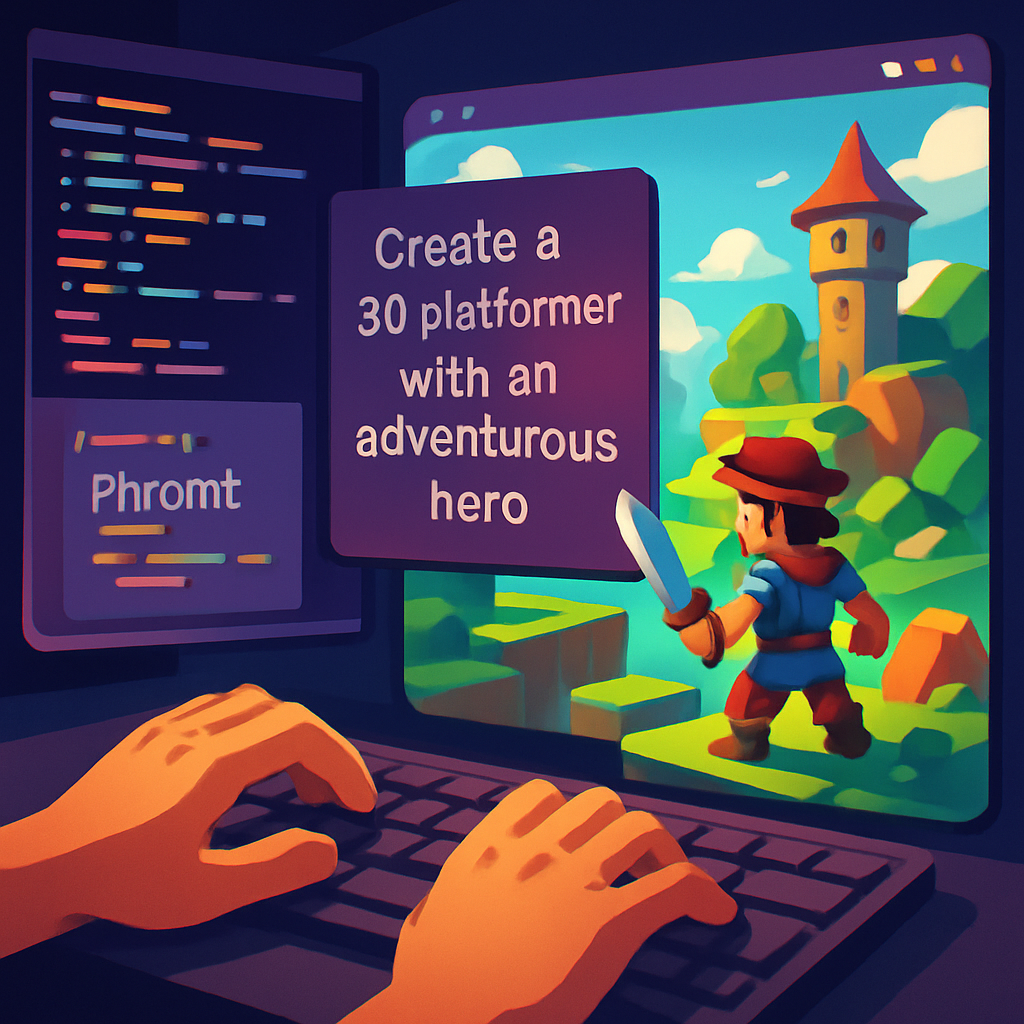
Google is unveiling a new way for anyone to build browser-based games—no coding, no design chops required. Through its experimental incubator Google Labs, the company has launched **Playground**, an AI-powered platform that turns simple text prompts into playable games. Users can choose a game genre like trivia or racing, pick whether they want 2D or 3D visuals, decide on single-player or multiplayer modes, and even customize gameplay mechanics and art style. The AI can also convert uploaded images into art assets that blend with the chosen aesthetic.
How Playground Works
Once a game is created, it can be played directly on phones or computers. Creators have options around privacy and sharing: they can keep work private, send it via shareable links, or publish it to an Explore gallery for others to try. Published games come with features like leaderboards, and creators are free to tweak projects even after release.
Google plans to integrate **Unity Spark** in a future update to give creators access to more advanced 3D tools and professional-grade mechanics. This could open the door to higher-quality game development for those who started with basics.
Access, Pricing, and Where Playground Fits In
At launch, Playground is available only to U.S. users aged 18 or older. Playing and browsing user-generated games is free; however, game creation uses a **weekly token system**. There’s a free tier with limited tokens, and Google One AI subscribers get a larger allotment. Over time, Google intends to expand Playground to more countries.
Playground joins a growing list of AI-assisted creative tools. It follows moves by platforms like Roblox, which earlier this summer introduced a feature called Build—allowing users to create games from natural-language prompts. Google’s effort also draws on past experiments like Stadia, its former cloud gaming service, and more recent investments like YouTube Playables, which hosts instant web-based games.
This move extends Google’s bet on democratizing game creation and lowering the barrier for would-be developers without programming backgrounds. If it succeeds, Playground could change how indie games launch, who designs them, and how they reach players.