Google has officially introduced the Pixel 11 series, comprising four models: Pixel 11, Pixel 11 Pro, Pixel 11 Pro XL, and the foldable Pixel 11 Pro Fold. Each device showcases significant advancements in design, performance, and artificial intelligence capabilities.
Design and Display
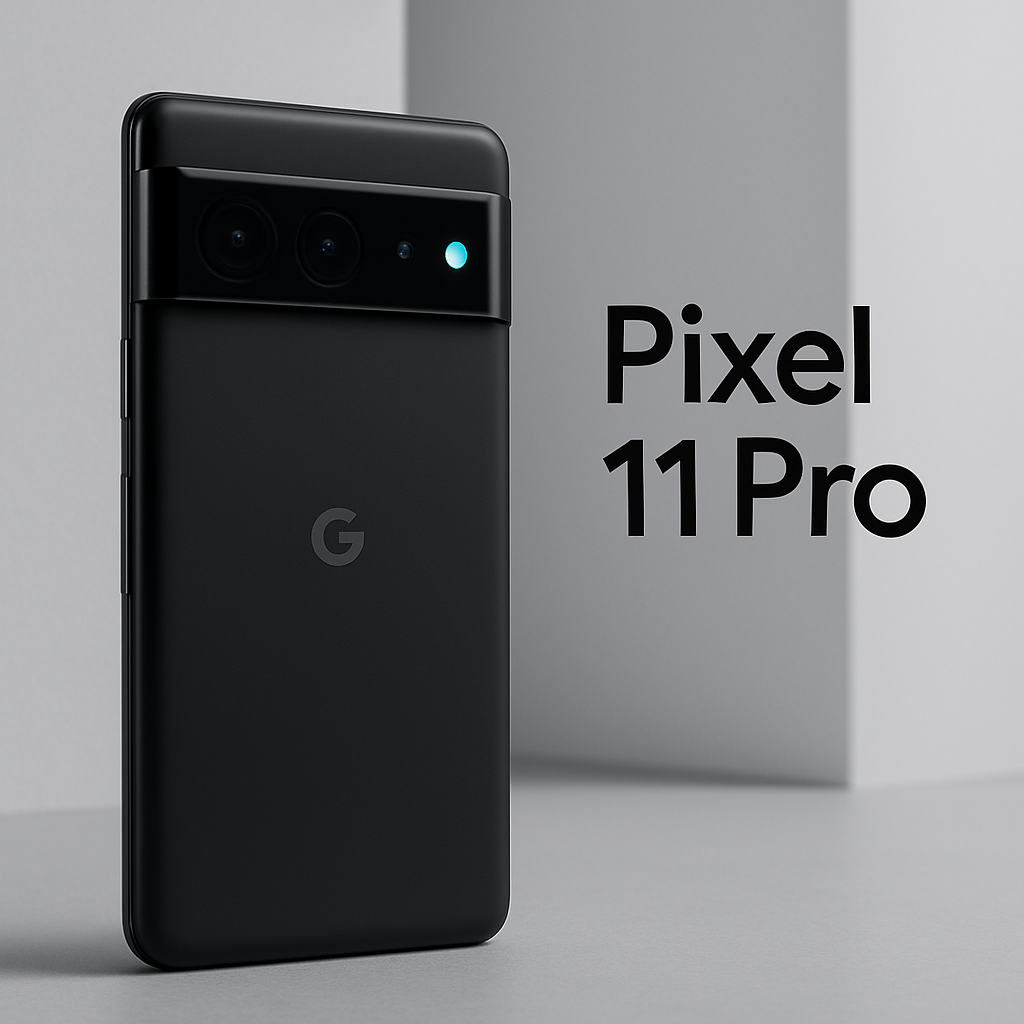
The Pixel 11 series features a refined design with edge-to-edge glass camera bars, contributing to a sleeker profile. Notably, the camera module is now approximately as thick as a standard case, resulting in a nearly flat back. The Pro models introduce a new HiLight notification LED integrated into the camera bar, enhancing user notifications. Additionally, the Pixel 11 Pro Fold boasts a ceramic display and a composite back, materials that Google claims are exceptionally durable and resistant to cracking.
Performance and Battery Life
Under the hood, all Pixel 11 devices are powered by the Tensor G6 chip, delivering a 20% increase in speed and efficiency. This includes a 50% faster Tensor Processing Unit (TPU) for handling AI tasks. RAM configurations start at 12GB for the Pixel 11 and extend up to 16GB for the Pro models, with storage options ranging from 256GB to 1TB. Despite a slight reduction in battery capacities compared to the previous generation, Google asserts that the Tensor G6’s efficiency will maintain or even improve battery life, with the Pixel 11 promising over 30 hours of use. Charging capabilities have also been enhanced, with all models supporting Qi2 25W wireless charging and faster wired charging options.
Camera Enhancements
The camera systems across the Pixel 11 series have received substantial upgrades. The base Pixel 11 features a 48MP main sensor with 56% greater light sensitivity, while the Pro models are equipped with a 50MP main sensor and a 48MP telephoto lens offering up to 120x Pro Zoom. A standout feature is Magic Capture, an AI-driven function that intelligently captures ideal moments by simultaneously recording video and high-resolution images, applying unblurring and cropping as needed. Additionally, the Camera Looks feature allows users to create personalized photography styles, ensuring consistent results across various skin tones.
Software and AI Integration
Running on Android 17, the Pixel 11 series emphasizes AI-powered experiences through the integration of Gemini Intelligence. This includes live video translation, advanced voice-to-text capabilities via Gboard Rambler, and a more intuitive Circle to Search function. The HiLight feature, currently offering limited functionalities, is expected to expand with future updates, including support for Google Messages.
Additional Features
Other notable aspects include the relocation of NFC hardware to the top of the devices, facilitating easier mobile payments and “Tap to Share” interactions. The Pixel 11 Pro Fold’s new hinge design aims to reduce the display crease, though it may not yet match the seamlessness of competitors like the Galaxy Z Fold 8. Furthermore, the series introduces Extreme Charging Mode, allowing devices to charge faster by permitting higher temperatures and reducing background tasks, applicable to both wired and wireless charging.
Pre-orders for the Pixel 11 series are now open, with availability starting August 20. Pricing begins at $899 for the base Pixel 11 and reaches up to $1,899 for the Pixel 11 Pro Fold.
With the Pixel 11 series, Google continues to push the boundaries of smartphone technology, integrating advanced AI features and refining hardware design. The emphasis on camera improvements and AI-driven functionalities reflects the industry’s trend towards more intelligent and user-centric devices. As these models hit the market, it will be interesting to see how they perform against competitors and how users respond to the new features.