Over the past decade, the Chromecast with Google TV has been a staple in many households, offering a compact and efficient streaming solution. However, as technology advances and user needs evolve, the limitations of this device have become more apparent.
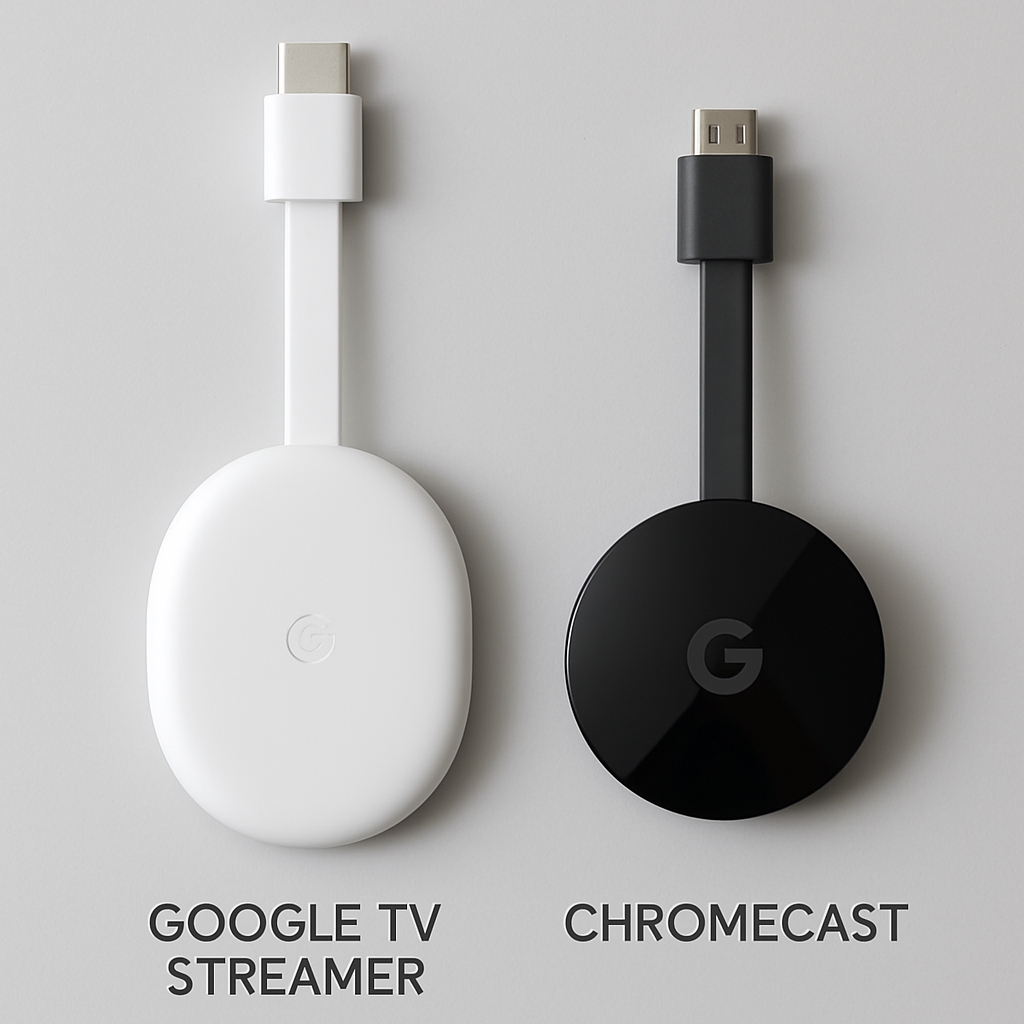
Introduced in 2020, the Chromecast with Google TV brought a fresh interface and integrated remote control, enhancing the user experience. Despite its initial success, the device’s hardware constraints are now more noticeable. Users have reported issues such as gray-screen launches, slow loading times, and app refreshes, particularly with resource-intensive applications like YouTube. These problems are likely due to the device’s limited 2GB of RAM and aging processor.
In response to these challenges, Google launched the Google TV Streamer in 2024. This new device offers improved performance and additional features. However, its larger set-top box design contrasts sharply with the compact, plug-and-play nature of the original Chromecast dongle. For users who value minimalistic setups, this shift in design is less appealing.
Furthermore, the discontinuation of the Chromecast with Google TV in early 2025 has left a gap in the market for a compact, high-performance streaming device. While the Google TV Streamer addresses some performance issues, its form factor and higher price point may not suit all users.
Given these developments, there’s a clear demand for a new Chromecast model that combines the compact design of the original with updated hardware to handle modern streaming demands. Such a device would cater to users seeking a simple, efficient, and unobtrusive streaming solution.
As streaming services continue to evolve and expand, the need for versatile and user-friendly devices becomes increasingly important. A refreshed Chromecast could bridge the gap between performance and convenience, offering a solution that meets the needs of today’s consumers.