Google is winding down support for two key parts of its smart home ecosystem. The company has revealed that the Nest app will become inactive in late January 2027, while Google Assistant support on smart speakers and displays will end in August 2027. The driving goal is to unify its smart home tools under Google Home and introduce Gemini for Home as the primary voice assistant.
Nest App Shutdown and Transition to Google Home
Starting January 25, 2027, the Nest app for Android, iOS, and web will stop functioning. Users will need to switch to the Google Home app—using a Google Account—to maintain remote control and receive alerts from devices like Nest Thermostats, Nest cameras and doorbells, Nest Protect (2nd gen), and Nest x Yale Lock. Current schedules and settings will migrate automatically.
Google Home isn’t just a mirror of Nest’s functionality; it offers expanded access. Users will be able to manage their Nest devices across smartphones, tablets, TV screens, smart displays, speakers, home.google.com, and via widgets or Home Panel on Android. The interface gets a redesign too—live camera feeds and frequently used controls will be easily reachable through a Favorites tab, and camera streams and timelines are said to load more smoothly.
Some limitations come with the change: clips saved on home.nest.com won’t carry over to Google Home, though there’s a “Download All” option to preserve custom files. Users of first-generation Nest Aware subscriptions will be shifted to Google Home Premium automatically, with no extra cost or need to re-enter payment details. Importantly, none of the hardware devices lose support.
Assistant Replaced by Gemini for Home
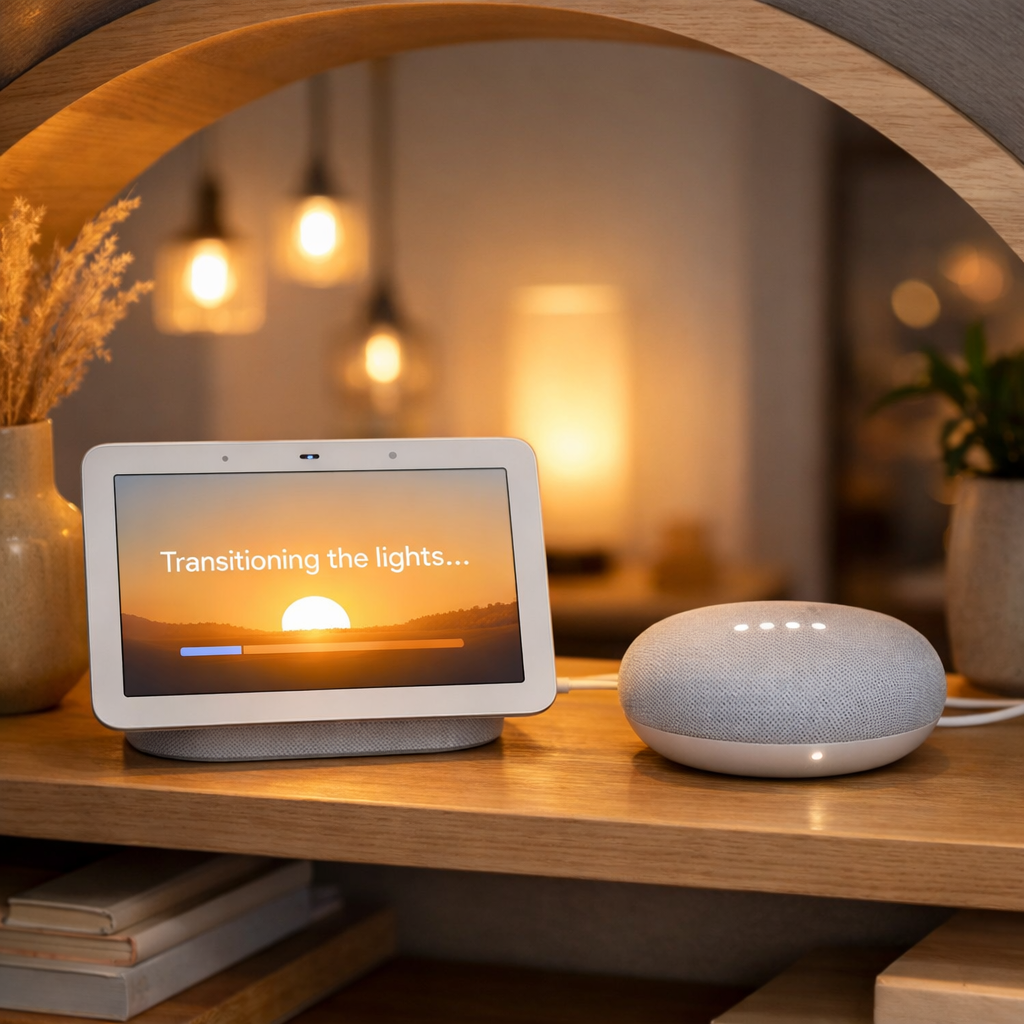
On August 2, 2027, Google Assistant will no longer work on smart speakers and displays. Gemini for Home will take over, designed to understand more conversational commands, manage context over multiple interactions, and handle “pauses and mid-sentence pivots” that typical rigid voice commands struggle with.
Gemini is already rolling out. Through the Google Home app or by visiting home.google.com, users can enable it. International rollout will continue over the next few months. Just like with the Nest-to-Home transition, this switch is part of Google’s effort to reduce friction, simplify its ecosystem, and deliver more natural interactions with its smart devices.
Why this matters: Google’s plan ends years of parallel apps and interfaces for its home automation experience. By retiring Nest and replacing Assistant on speakers with Gemini, it’s pushing for a more integrated, streamlined smart home ecosystem. For users, that means fewer apps, smoother controls, better voice interactions—but also the hassle of migrating settings and learning a new assistant voice. Expect a clearer, more unified experience starting early 2027.