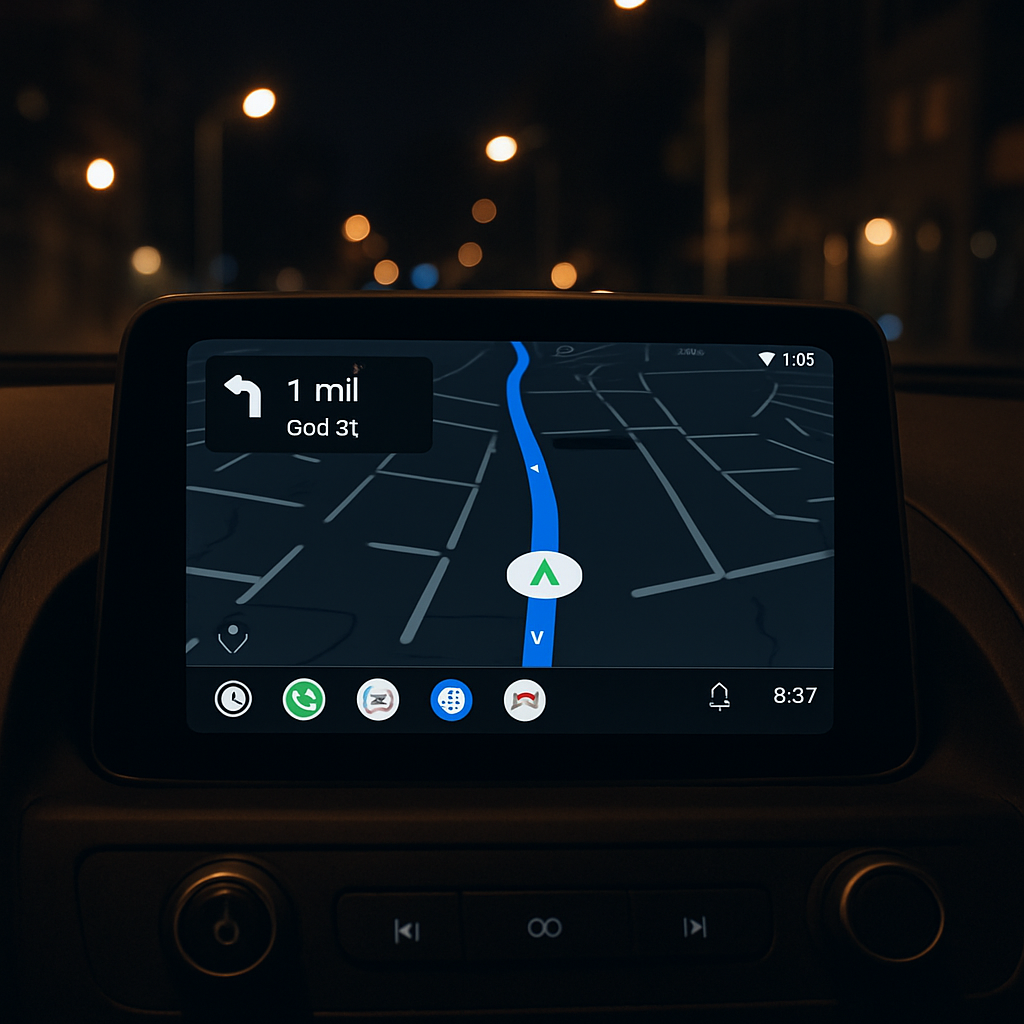
Over the past month Google Maps users have reported a big slip in reliability. Traffic overlays—those colored green, yellow, and red lines that indicate road conditions—are failing to appear properly, especially for drivers using Android Auto. Though there were signs of improvement late in July, the issue has flared up again. Many are seeing blank navigation screens or maps missing any traffic detail in default view.
What should be a core feature—traffic visualization—has become unreliable. While some settings still allow traffic data to show, it often vanishes in standard navigation modes. The problem isn’t isolated; users say it’s happening both on Android Auto and directly on phones. The absence of traffic insights in default view implies the bug interferes with the app’s primary navigation experience.
The reports go back at least two weeks, with recent days showing heightened frustration. Some users say they managed temporary workarounds by uninstalling recent updates to Google Maps—a rollback that seems to restore traffic indicators for a time. But that’s no long-term fix.
Google hasn’t publicly acknowledged the current wave of disruption. Previously in July, a similar issue cropped up and was patched. Yet this renewed bug, affecting key navigation functions, remains in flux. There’s no confirmed timeline for resolution or an official statement available at this time.
Why this matters
Traffic displays are vital in modern navigation tools. Without real-time color-coded maps, drivers lose quick visibility into slowdowns, hazards, and route alternatives. Android Auto’s goal is to give users a safe, glanceable interface, making missing traffic overlays especially problematic. Misleading or missing information could lead to longer commutes, missed turns, or worse.
This recurring bug adds to a pattern of Google Maps users experiencing regression in features they’ve long relied on. Whether linked to recent app updates, backend services, or Android Auto’s integration layer, the root cause remains unclear. What’s certain is the impact: negative user experience and diminished trust in what should be a dependable navigation platform.
For now, if traffic information is crucial to your ride, it might help to toggle related map settings or stick with a previously working version of the app—if possible. Still, real safety and scheduling depend on accurate, real-time data.
Moving forward, whether this signals larger systemic issues—that Google Maps is becoming more fragile through frequent changes—will be something to watch. The company needs to move quickly: users depend not just on maps, but on the traffic details that give them confidence they’re heading the right way.