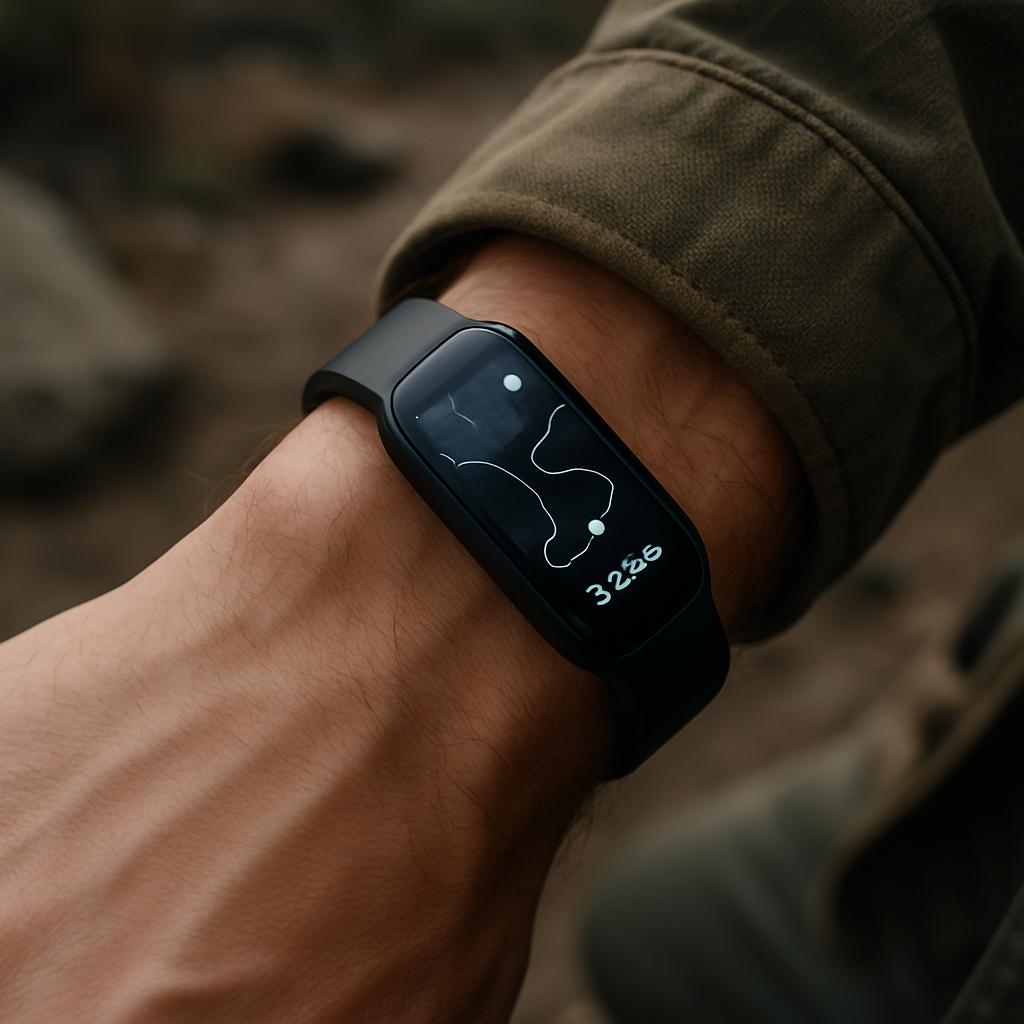
Google has officially unveiled the Fitbit Edge, a new wearable positioned between the Fitbit Air and Pixel Watch in its lineup. Priced at $179.99, the Edge blends the slim build of the Air with a 1.34-inch OLED display, enabling users to view maps, notifications, weather updates, and control music directly from the wrist.
This new wearable supports advanced fitness and health tools. It includes Google Health Coach—powered by Gemini—which offers personalized workout routines, weekly plans, and adapts to your schedule. A Google Health Premium subscription is required to access those features. The Edge also incorporates Health Guardian, a feature designed to track long-term shifts in health metrics like blood pressure and insulin resistance that was first revealed with the Pixel Watch 5 in August.
Enhanced Fitness Tracking and Accuracy
The Fitbit Edge automatically recognizes and logs up to 100 different types of activities such as running, biking, and walking by analyzing movement context. It offers more than 50 exercise modes and gives on-screen prompts during workouts—urging you to push harder or rest when needed. Google claims the device features built-in GPS that’s 40% more accurate than previous models, which will help with outdoor tracking, while improvements to sleep-stage detection (up 15%) should enhance the accuracy of sleep summaries and coaching feedback.
In terms of durability and battery life, the Edge delivers up to seven days of use on a single charge and is water-resistant to 50 meters. It’s available for preorder now via the Google Store, with in-store availability set for October 27. Color options include Obsidian, Fog, Olive, and Canyon. There’s also a Stephen Curry Special Edition model priced at $219.99.
The Fitbit Edge joins Google’s broader strategy to offer wearables that cater to different user needs without forcing a choice between style and specs. It’s lighter and sportier than the Pixel Watch yet more capable than the basic Fitbit bands.
Analysis: The Fitbit Edge marks a middle ground strategy for Google—providing users who found the Pixel Watch too bulky or expensive and the Fitbit Air too limited, with a balanced option that doesn’t compromise on key features. With increased accuracy, strong health tracking, and long battery life, it could push Fitbit’s wearables into broader appeal. What to watch now: how the Edge performs in real-world battery and sensor tests, and whether Google will continue refining its mid-tier offerings in response to demands for both aesthetics and performance.