Google Health’s Evolution: Redefining the Fitbit Experience
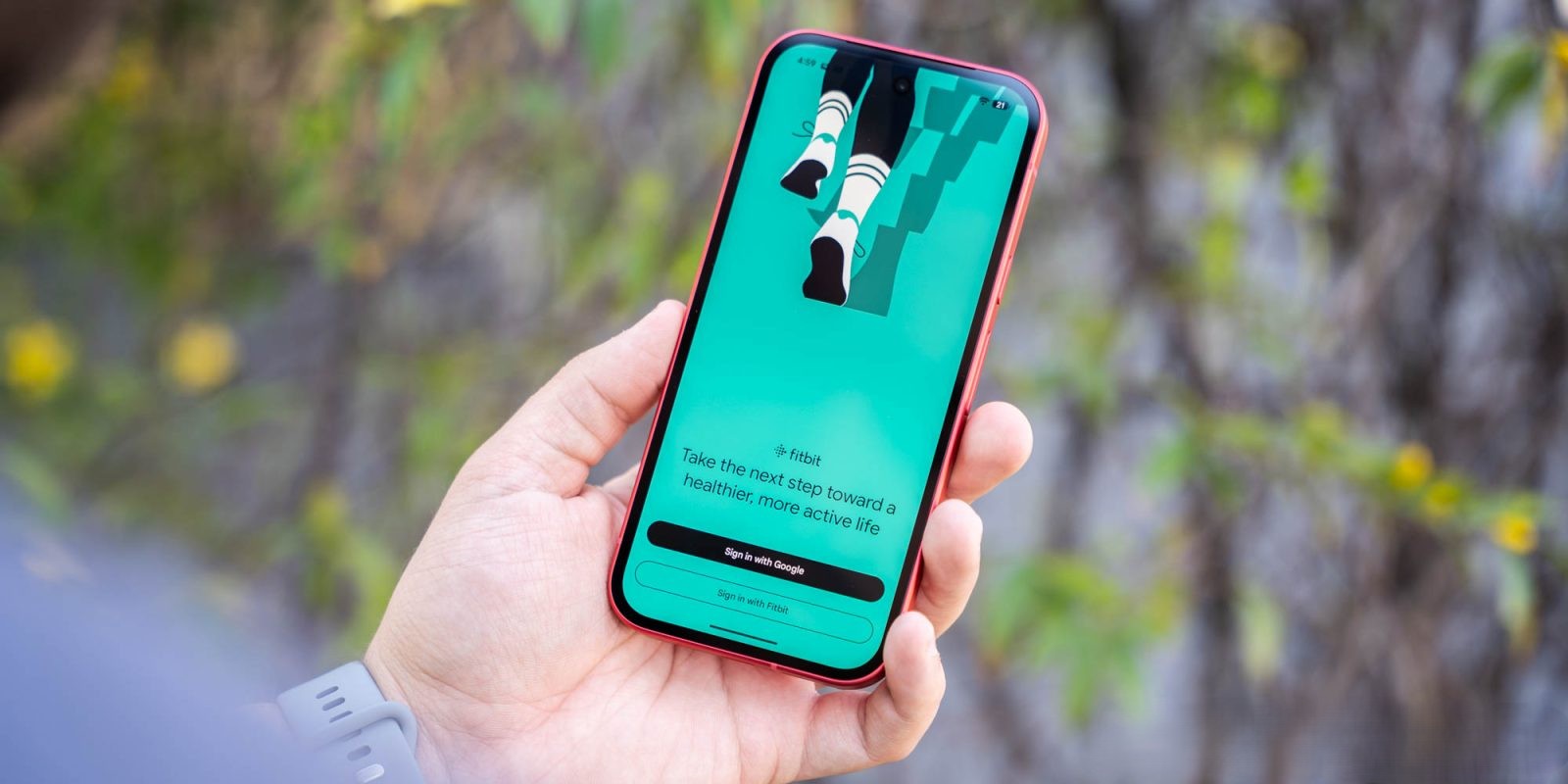
In a significant transformation, Google has announced the rebranding of the Fitbit app to Google Health, signaling a new era in health and wellness tracking. This change, set to roll out automatically on May 19, 2026, aims to unify health data across various platforms and devices, offering users a comprehensive and personalized health management experience.
A Unified Health Platform
The transition from Fitbit to Google Health is more than a mere name change. It represents Google’s commitment to integrating health and fitness tracking into a cohesive platform. The new Google Health app will consolidate data from wearable devices, Health Connect, Apple Health, and even medical records, providing users with a centralized hub for all their health information. This integration allows for a more holistic view of one’s health, enabling better-informed decisions and personalized insights.
Enhanced User Interface and Features
The Google Health app introduces a redesigned, intuitive four-tab layout: Today, Fitness, Sleep, and Health. This structure simplifies navigation and enhances the user experience. Key features include improved sleep tracking, now 15% more accurate, and nutrition logging capabilities. Users can also connect their favorite apps and sync medical records, ensuring all health data is accessible in one place. The app supports broader device compatibility, including integration with Apple Health, Peloton, and MyFitnessPal, catering to a diverse user base.
Introduction of Google Health Coach
A standout feature of the new app is the AI-powered Google Health Coach. This personal wellness assistant offers personalized workout plans, injury recovery advice, nutrition tips, and sleep analysis. Built using Google’s Gemini AI, the Health Coach adapts to individual user needs, providing real-time guidance and support. This feature is available to Google Health Premium subscribers, replacing the previous Fitbit Premium service. The subscription is priced at $9.99 per month or $99.99 annually, with a three-month free trial included with the purchase of the new Fitbit Air.
Launch of Fitbit Air
Coinciding with the app’s rebranding, Google has introduced the Fitbit Air, an affordable and lightweight fitness tracker. Priced at $99.99, the Fitbit Air is designed for all-day wear, offering a week’s battery life and quick charging capabilities. It integrates seamlessly with the Google Health app, monitoring a wide range of metrics, including heart rate, atrial fibrillation detection, SpO2 levels, and sleep stages. The device comes with a recycled material performance loop band, with additional band options available. A special edition, created in collaboration with NBA star Stephen Curry, is also available in the U.S. for $129.99. The Fitbit Air is compatible with both Android and iOS devices and includes a three-month trial of Google Health Premium. Shipping begins on May 26.
Discontinuation of Certain Features
While the transition brings numerous enhancements, some classic Fitbit features will be discontinued. Notably, the Sleep Profile and its animal-based summaries, snore detection for Fitbit Sense and Versa 3, and Estimated Oxygen Variation (EOV) data will no longer be available. Instead, the app will provide access to SpO2 levels and a standard VO2 max reading. Daily activity goals are being replaced with more adaptable weekly cardio targets, better suited to fluctuating schedules. Other changes include the replacement of minute-by-minute skin temperature tracking with daily and weekly trends, and the stress score being substituted with a Resilience metric rated as Optimal, Balanced, or Low.
Impact on Social Features
The rebranding also affects the social components of the Fitbit experience. Fitbit badges, direct messaging, groups, and the community feed will all be removed, starting May 12, 2026. User profiles will now be based on Google account information, with sharing permissions prompted. While the new Google Health initiative adopts a more AI-driven and flexible approach, it also sheds many of the interactive and rewarding elements that longtime Fitbit users have enjoyed.
Data Privacy and Security
Google has reaffirmed its commitment to data privacy and security. The company has made a legally binding pledge not to use health data for advertising purposes. All health data is encrypted and protected with two-step authentication, ensuring user information remains secure.
Conclusion
The rebranding of Fitbit to Google Health marks a significant shift in Google’s approach to health and wellness tracking. By integrating various health data sources into a unified platform and introducing AI-driven features like the Google Health Coach, Google aims to provide users with a more personalized and comprehensive health management experience. While some beloved features are being phased out, the overall enhancements and new offerings suggest a promising future for users seeking a holistic approach to their health and wellness.