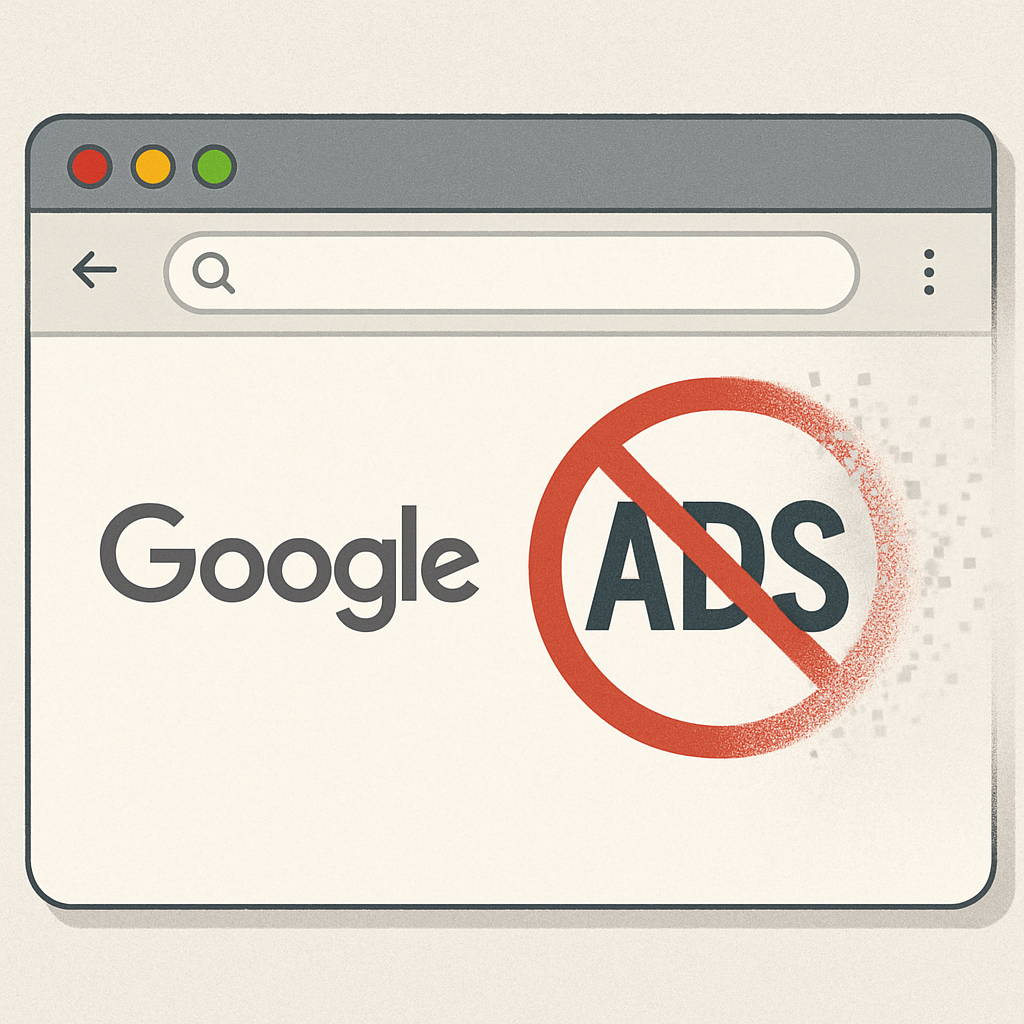
Google Chrome is set to implement a significant update that will effectively disable many popular ad-blocking extensions. This change is part of the browser’s transition from Manifest V2 to Manifest V3, a move that has been in progress for several years and is now reaching its final stages.
Manifest V3 introduces a new permissions structure aimed at enhancing privacy and security. However, this update also imposes restrictions that limit the functionality of ad blockers. Extensions like uBlock Origin, which rely on the capabilities provided by Manifest V2, will no longer function as intended under the new framework.
In the upcoming Chrome 150 release, scheduled for later this month, Google plans to remove the ‘kExtensionManifestV2Disabled’ flag. This flag has allowed users to continue using Manifest V2-based extensions despite the ongoing transition. Its removal signifies the end of support for these older extensions. A Google engineer explained that maintaining support for Manifest V2 is no longer feasible due to technical complexities, accumulated technical debt, and associated security risks.
Following this, Chrome 151, expected in July 2026, will eliminate additional flags related to Manifest V2, further solidifying the transition. While other Chromium-based browsers like Microsoft Edge and Opera have the option to continue supporting Manifest V2, they are likely to follow Chrome’s lead in this transition.
For users who rely on ad blockers, this development presents a challenge. Some ad-blocking extensions have adapted to Manifest V3, but they may not offer the same level of functionality as their predecessors. Users seeking robust ad-blocking capabilities might need to explore alternative browsers that continue to support Manifest V2 or offer more flexible extension frameworks.
This shift underscores the ongoing tension between enhancing browser security and maintaining user control over content. As Chrome finalizes its move to Manifest V3, users will need to weigh the benefits of improved security against the potential loss of functionality in their browsing experience.