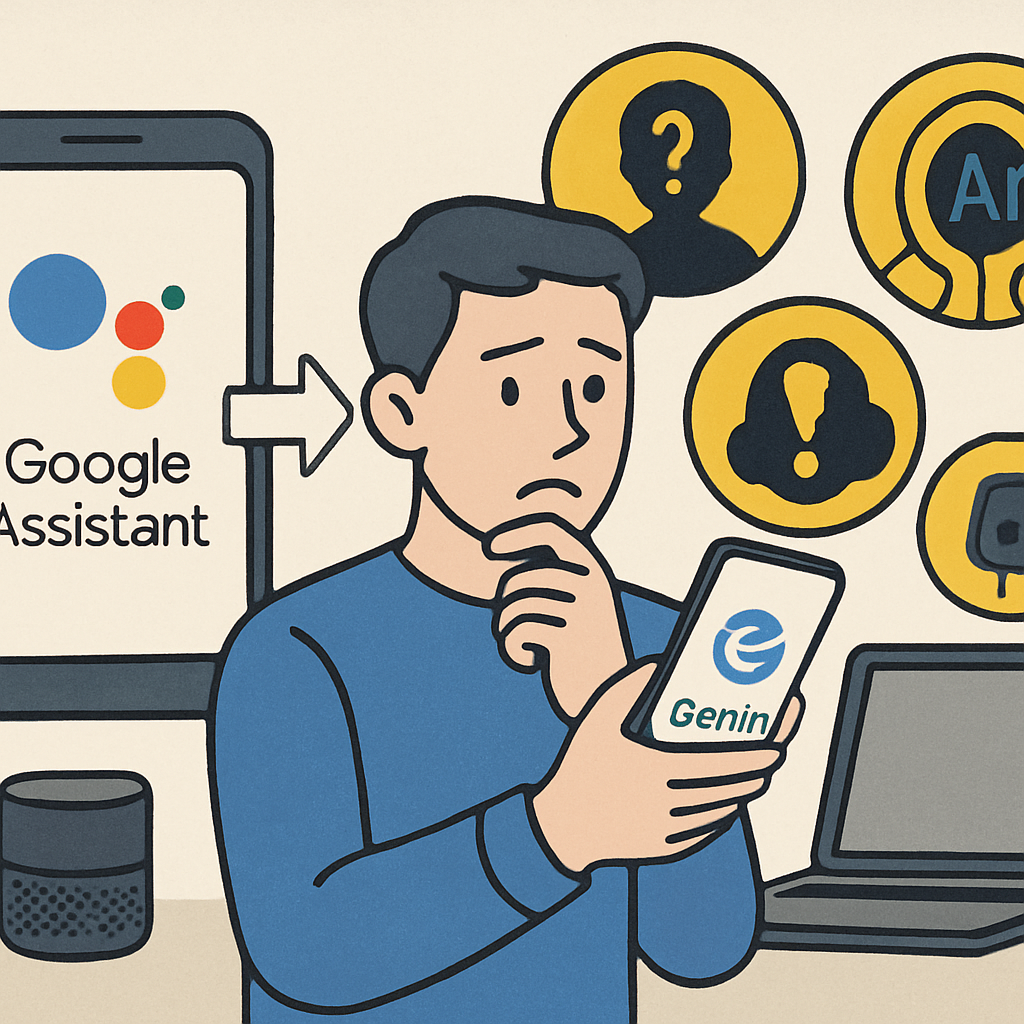
Google’s decision to replace its long-standing Assistant with the AI-driven Gemini has ignited a wave of user dissatisfaction. For over a decade, Google Assistant has been a reliable tool for tasks such as setting alarms, playing music, and controlling smart home devices. Its predictable, rule-based responses have made it a staple in many households.
However, Gemini’s introduction has been met with criticism. Users report that, despite its advanced AI capabilities, Gemini struggles with basic functions that Assistant handled seamlessly. The AI’s less predictable nature has led to frustration among those accustomed to Assistant’s consistency. Compounding the issue, Google plans to phase out Assistant entirely by September, leaving users without the option to revert to the familiar system.
Despite the backlash, some believe that Gemini’s potential is being overlooked. Early iterations on smart speakers faced challenges, but recent updates have improved its performance. Gemini excels in handling complex, conversational queries, offering more nuanced responses than its predecessor. The development team is actively working on updates to address user concerns and enhance functionality.
As the transition deadline approaches, the tech community is closely monitoring Google’s efforts to refine Gemini. The company’s ability to address these challenges will be crucial in determining whether users will embrace the new AI or seek alternatives. This situation underscores the delicate balance tech companies must maintain when evolving established products, ensuring that innovation does not come at the expense of user satisfaction.