Google has introduced a new feature for its AI Mode that lets users start temporary threads—conversations that won’t be saved to a Google account’s history. This change keeps chats out of personal records, deletes them once you leave, and prevents them from influencing future suggestions.
What Temporary Threads Do
When using a temporary thread, nothing you write is stored under your account. These threads don’t show up in conversation history, and because Google doesn’t record previous chat details, responses won’t be personalized based on past interactions. Once you close the thread, there’s no way to revisit its content.
How to Use Temporary Threads & Where They’re Available
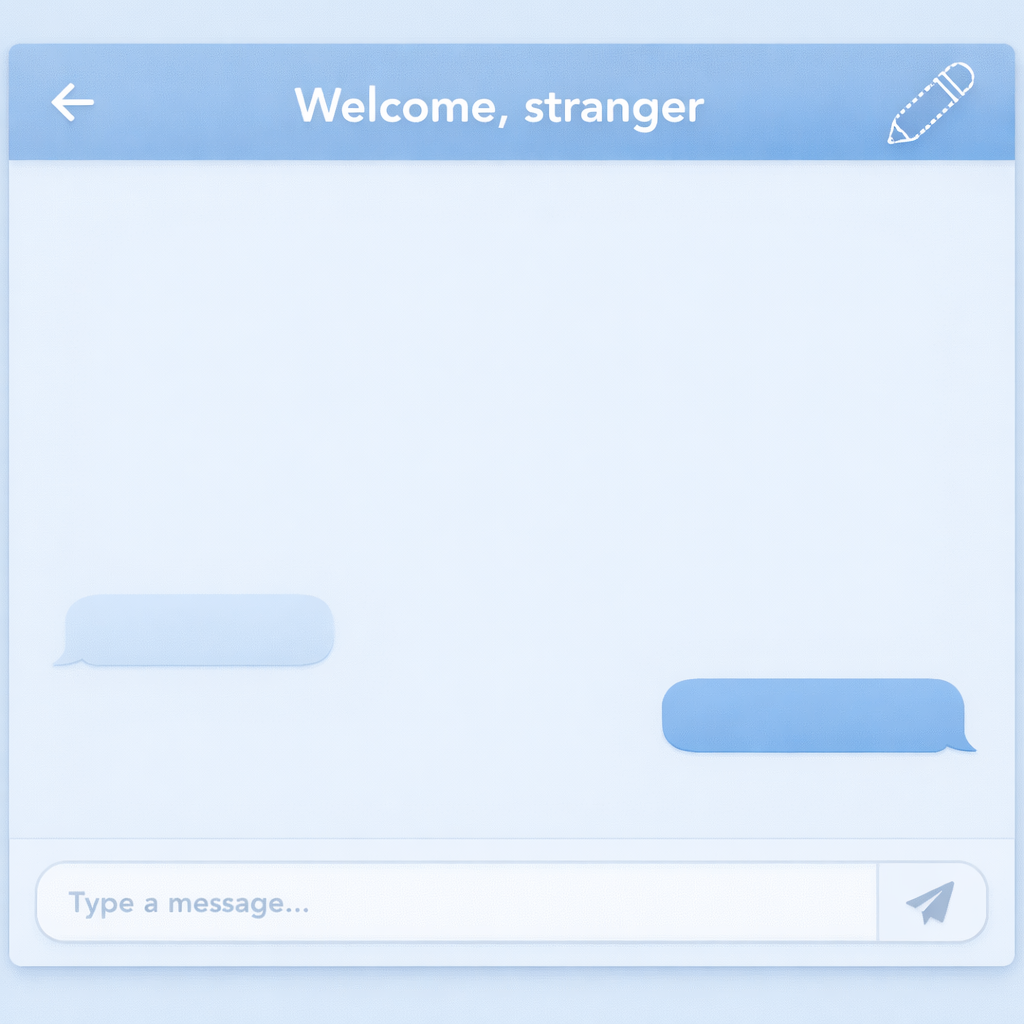
To start a temporary thread, tap the new pen icon with a dotted border in the top-right corner—this icon matches what’s seen in the Gemini app. When you launch one, the prompt changes, showing “Welcome, stranger” instead of your usual personalized greeting. It works much like Incognito Mode on google.com, but still gives access to Google’s model picker.
This update is rolling out globally on both mobile and desktop browsers, in all languages supported by AI Mode. Google is also testing additional tweaks: Android users in the latest beta can now attach files directly from Google Drive, in addition to photos and files from Gallery and Camera, and Canvas integration is available on Android as well.
This addition follows Google’s recent launch of Gemini 4 Hydrogen, part of a broader push to enhance user control over privacy and customization. The move aligns AI Mode’s behavior closer to Gemini app’s “chats”—though Google retains separate terminology for them (“threads” vs. “chats”).
Why It Matters and What to Watch
These temporary threads are significant because they offer a balance between privacy and utility: you get AI assistance without leaving a trail. It’s especially relevant for users wary of personalized data collection. The global rollout suggests Google sees demand for this kind of ephemeral dialogue.
Looking ahead, how Google treats these temporary threads—especially around data storage policies and potential use in model training—will be key. Also worth watching: whether similar privacy-forward features become standard across Google’s AI platforms, and how users respond to this more controlled conversational memory.