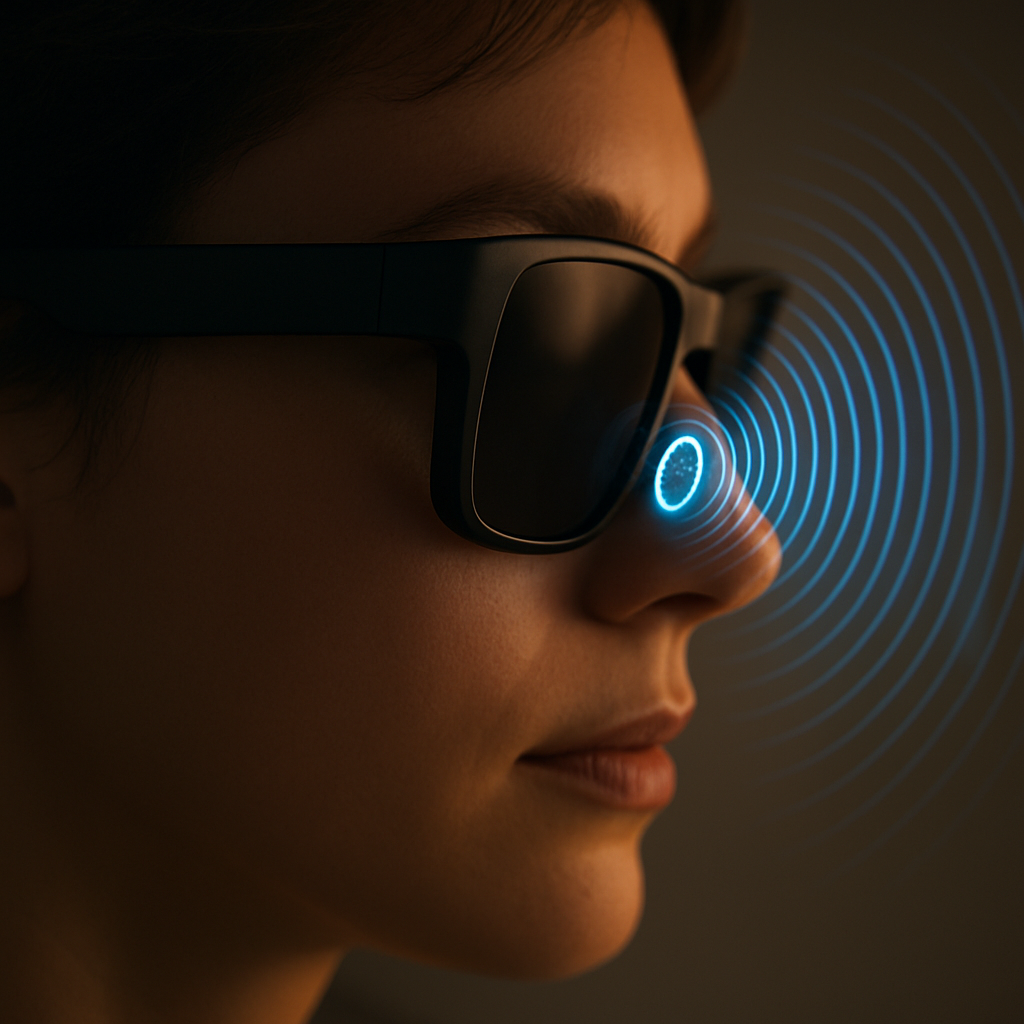
When cancer stripped Konrad Zieliński of his voice during his university years, he set off on a mission to reclaim not just speech but emotional nuance and freedom. His startup, Uhura Bionics, is building what Zieliński calls “glasses for voice”: wearable devices that let people who’ve lost their voices speak with inflection, laughter, even song—without surgery. This marks a sharp departure from the robotic-sounding alternatives and surgically implanted voice prostheses that have long been the standard.
From Research to Real Products
Zieliński earned his PhD at the University of Warsaw, focusing on bionic systems to help people who’ve had their larynxes removed—known as laryngectomees. Using that research foundation, he founded Uhura Bionics, which launched in 2023. The company now offers two models: a basic version for everyday use, and a premium one named Whitney (after Whitney Houston), aimed at delivering higher fidelity and richer expression.
These devices are wearable and non-invasive—essentially speech prosthetics without going under the knife. They’re designed to restore a user’s ability to express emotion in voice. Zieliński sees Whitney one day being used as regularly as eyeglasses—something integrated into daily life that feels natural and enabling.
Pricing, Regulation & Market Ambitions
Currently, Uhura sells the basic device for $500, while Whitney is priced at $1,500. Though these are wellness category products now—paid out of pocket—Uhura is in the process of seeking Class I medical device status in Europe, with plans to follow suit in the U.S. If approved, that could unlock insurance reimbursement for users.
Zieliński estimates the addressable market for laryngectomees at around $2 billion. He also believes expanding the product’s reach to others with speech disorders could grow the opportunity further. In this competitive space, Uhura isn’t alone: established medical device firms and newer startups are also pursuing similarly ambitious voice restoration tools.
What’s Next
Upcoming developments include the addition of higher-pitched voice options tailored for women and personalization features so voice users don’t all sound alike. Whitney will also be publicly demonstrated at TechCrunch Disrupt in October and at SF Tech Week, where Zieliński plans to perform live—using Whitney to sing.
While others have built devices that generate voice via external speakers or implants, Uhura’s promise is restoring voice through wearable tech that feels intimate and expressive—not just functional. With emotion, nuance, and personality built in, these devices could change what it means to regain one’s voice.