Germany’s Federal Cartel Office, the Bundeskartellamt, has mandated that Apple revise its App Tracking Transparency (ATT) framework to ensure equitable treatment of all developers. This decision follows the regulator’s rejection of Apple’s earlier proposals, which primarily involved rewording the consent dialogs presented to users when third-party apps request tracking permissions.
Introduced in April 2021 with iOS 14.5, ATT requires apps to obtain user consent before tracking their activity across other companies’ apps and websites. While Apple positions ATT as a privacy enhancement, critics argue that it disproportionately affects third-party developers and advertisers, potentially giving Apple’s own services a competitive edge.
In response to these concerns, Apple had previously suggested modifying the language of the ATT prompts to make them more neutral. However, the Bundeskartellamt found these changes insufficient to address the underlying issues of fairness and competition. The regulator’s insistence on a more comprehensive revision underscores the importance of maintaining a level playing field in the digital marketplace.
This development is part of a broader trend of European regulators scrutinizing major tech companies’ practices. For instance, France’s competition authority fined Apple €150 million in March 2025 for implementing ATT in a manner deemed excessively burdensome to third-party apps. Similarly, Italy’s Competition Authority imposed a €98.6 million fine on Apple in December 2025, citing concerns that ATT disproportionately impacted app developers and advertisers.
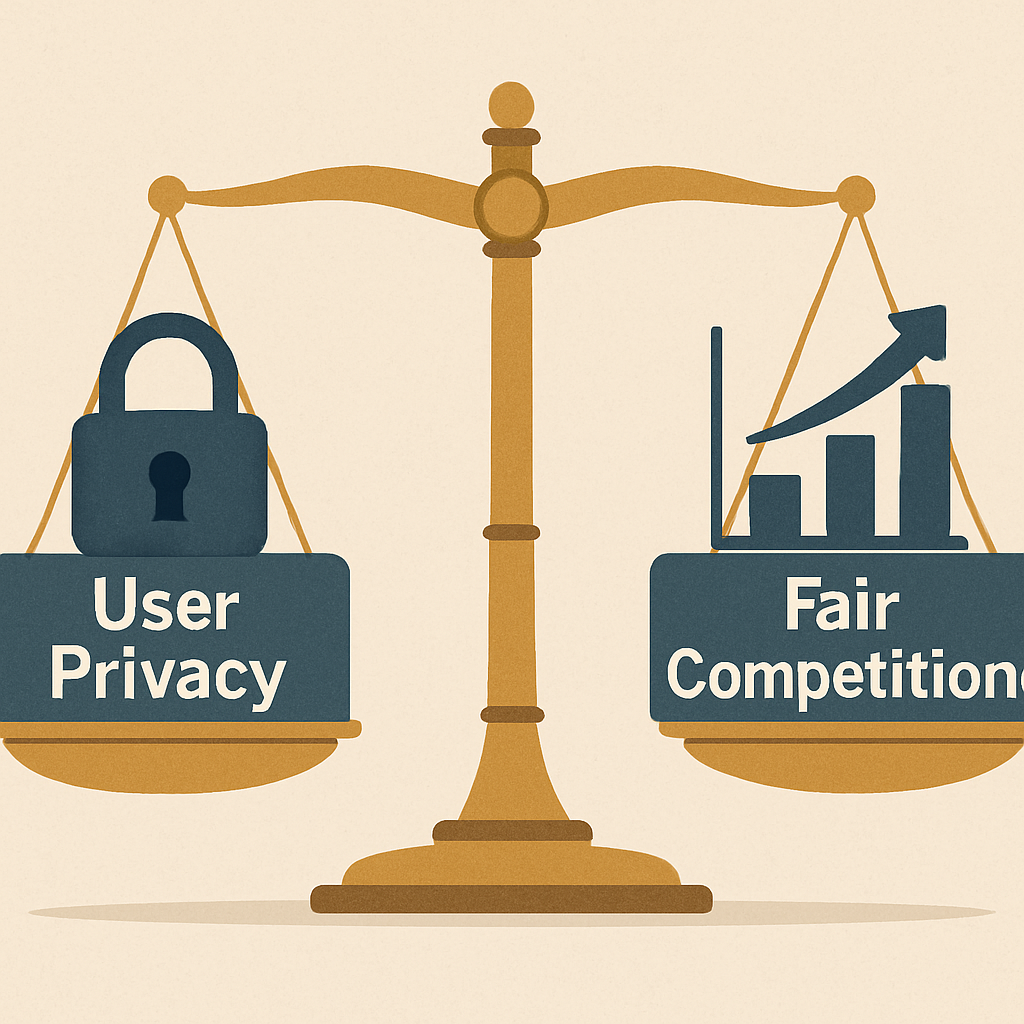
Apple’s ATT framework has been a focal point in the ongoing debate between user privacy and competitive fairness. While the feature empowers users to control their data, it has also raised questions about potential anti-competitive behavior. The Bundeskartellamt’s decision reflects a growing regulatory emphasis on ensuring that privacy measures do not inadvertently stifle competition or innovation.
As Apple works to comply with the Bundeskartellamt’s directives, the tech industry will be closely watching how these changes influence the balance between user privacy and market competition. This case may set a precedent for how other jurisdictions approach similar issues, highlighting the need for tech companies to design privacy features that are both effective and equitable.