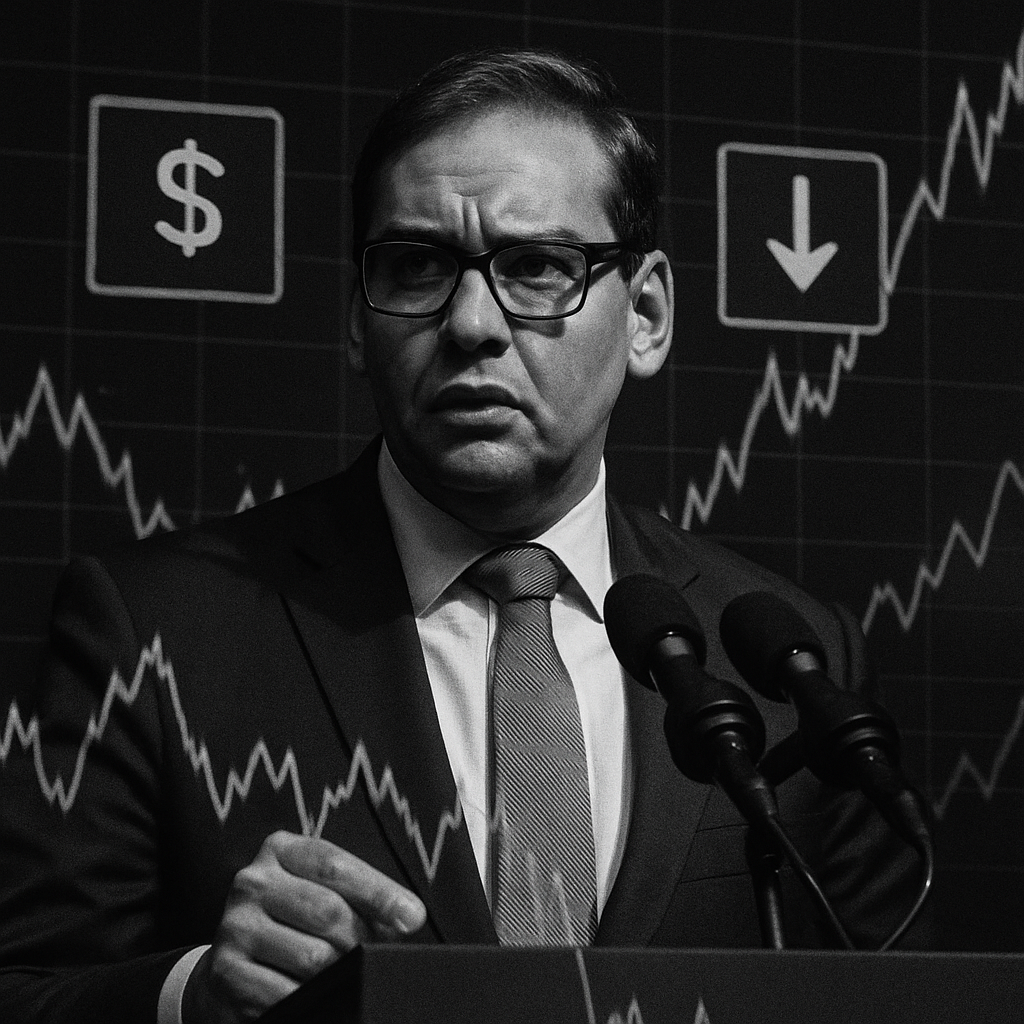
The prediction market platform Kalshi has issued a lifetime ban to former Congressman George Santos after determining he violated its rules by placing trades tied to his attendance at President Trump’s 2026 State of the Union address. The move marks the first permanent ban in Kalshi’s history and comes along with a fine of $71,356.
What Kalshi Found
According to a disciplinary notice, Santos placed a series of large bets between February 2 and 25, 2026, on whether he would attend the State of the Union, even though he had the ability to influence that outcome. The platform determined that he made public statements about attending—some of which were false or misleading—in an attempt to sway the market’s odds in his favor. Ultimately, Santos did not attend the address and profited around $17,839 from the trades.
Kalshi’s Compliance Department said there was “reasonable cause” to believe that Santos acted in this manner, and emphasized that anyone in a position to affect the outcome of a contract is prohibited from trading in that market. Because Santos allegedly failed to cooperate with the investigation, Kalshi went beyond temporary suspension and delivered a full, lifetime ban effective the prior Friday.
Related Enforcement Actions
Alongside Santos, Kalshi took action against several political candidates who placed bets on their own races. Retired Army Colonel Laurie Buckhout, Republican nominee for North Carolina’s 1st Congressional District, was suspended for three years and fined about $2,589 for wagering less than $1,000 on her campaign and alerting Kalshi about the issue once it was flagged.
Also suspended for three years were Stephen Cloobeck—former California gubernatorial candidate, who placed around $10,000 in contracts on his campaign—and Ben Midgley, who ran in Maine’s Republican primary and bet less than $1,000. All three cooperated with Kalshi’s compliance review.
Regulatory Troubles and Context
This enforcement follows a separate action earlier this summer by the Commodity Futures Trading Commission (CFTC), which fined Santos $35,000 over the same State of the Union trades. The Kalshi findings echoed key issues raised in the CFTC case: insider trading, public statements intended to move markets, and lack of cooperation from Santos.
Santos had been expelled from Congress in 2023, following convictions in fraud and identity theft, which were partially pardoned in 2025. He has remained a controversial figure in the prediction market world; rival platforms like Polymarket ended commercial relationships with him when investigations into these events began.
On the day of the ruling, Santos responded via social media, labeling Kalshi “unserious” and calling the ban “frivolous,” while challenging Kalshi’s own long-term viability.
This case underscores growing scrutiny in the prediction market industry over potential abuses where people trade contracts connected to their own actions or statements. Platforms like Kalshi are being pressed to enforce rules against manipulation, especially as regulators such as the CFTC tighten oversight.
The Kalshi ban against George Santos is a landmark moment. It sets a clear precedent: influential insiders cannot trade based on events they can impact. This could force a broader policy shift among prediction market platforms concerning disclosure, transparency, and enforcement. For users and regulators alike, the question now becomes how these rules will be consistently applied—and what safeguards platforms will introduce next.