In a move that challenges conventional startup wisdom, Furo—a young industrial battery software company—chose to base itself in Germany rather than Silicon Valley. That decision, its founders say, has translated quickly into $4 million in funding and top-tier enterprise customers.
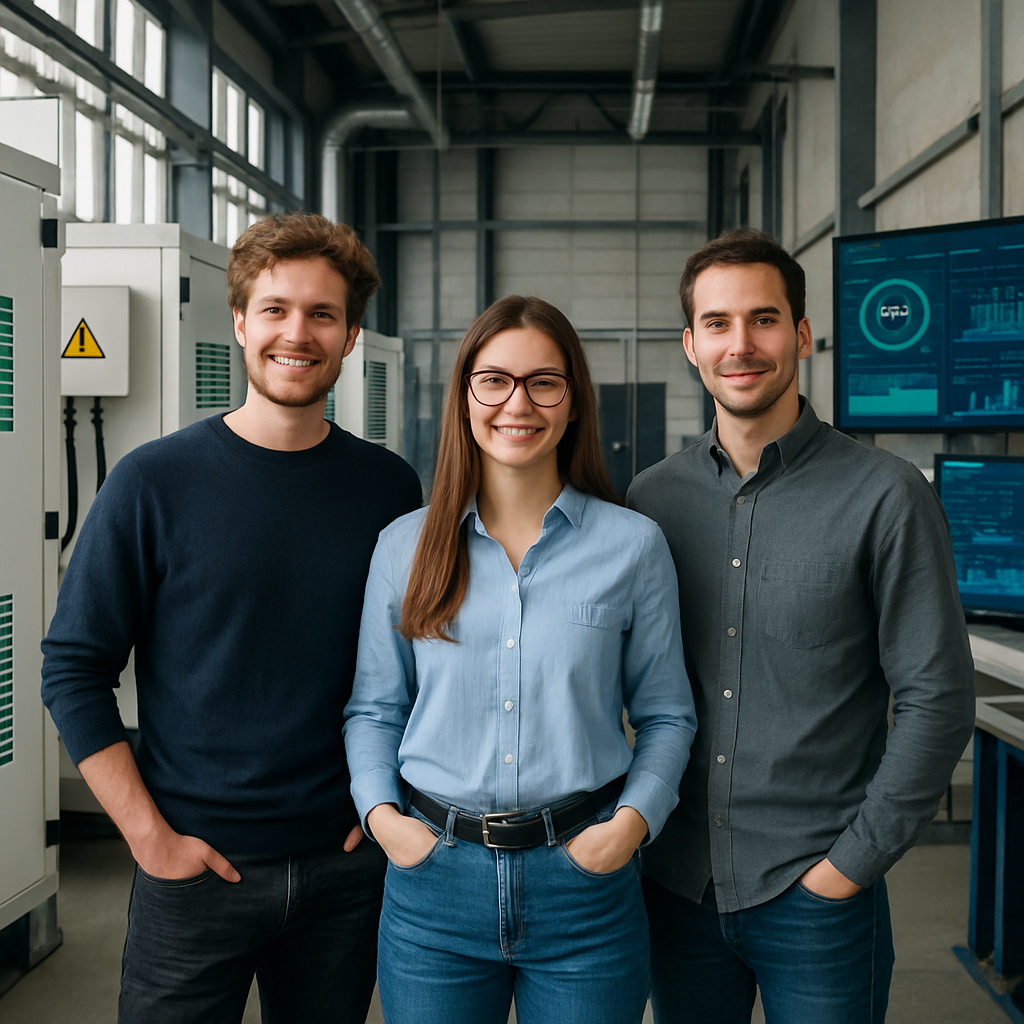
Furo builds software for industrial battery storage systems. Though it formally set up as a Delaware C Corporation, its co-founders—Lena Sophia Voß, Leonie Wagner, and Simon Wittner—all returned to Germany to launch the business. Backed mainly by U.S. venture funds like TQ Ventures (which led the latest round), Neo, and Sandberg Bernthal Venture Partners, Furo also raised support from the Munich-based Center for Digital Technology and Management (CDTM), a bridge between their European roots and U.S. investors. Within a year of founding, the startup has already sold its industrial software into major corporations including Deutsche Bahn.
Why Germany—and why now?
According to Voß, the energy crisis sweeping Europe has created urgency and real customer demand—especially in Germany. Where the U.S. faces similar challenges, she believes the proximity to European industrial markets gives Furo strategic advantages. When they briefly pursued operations in the U.S.—even joining Neo’s accelerator under the name Lumera Energy—they found that distance made customer relationships, hiring, and solving early-stage challenges significantly harder.
Another benefit has been access to strong engineering talent at more manageable cost. Voß says that while U.S.-level engineering salaries are often unattainable in Europe, Furo’s compensation is competitive for the German context and often toward the top end locally. She stresses that it’s not just cost—talent quality is high, less crowded by Big Tech, and well-connected via regional networks like CDTM and nearby technical universities.
Staying global while grounded locally
Though Furo has made Munich its hub, it maintains active ties to Silicon Valley. The team travels back several times a year for investor engagements and administrative work, blending local presence with global reach. Fundraising is still heavily U.S.-based, even if much of the team and product development happens in Europe.
Voß frames their choice as deliberate—not driven by visa constraints or necessity. All three founders had full-time offers in the U.S., but decided Europe offered a better climate for building an energy tech startup in the current moment. They believe that their European home base grants faster product iteration, closer customer feedback loops, operational wisdom and a network they can tap for nearly any challenge.
Their model is increasingly cited in venture circles. U.S. investors like Andreessen Horowitz (a16z) have observed that startups can benefit from positioning themselves between their home countries and Silicon Valley—as hybrid entities with presence in both.
With $4 million in funding, early enterprise wins, and a growing team fueled by local universities and networks, Furo is putting the case that global scale can be built outside the Bay Area. Their journey underlines emerging trends in startup geography—where operating from Europe can offer advantages that Silicon Valley can’t always match.
In a world where capital was long thought to follow Silicon Valley, Furo’s example suggests that in certain sectors—especially energy and industrial software—geographical roots are becoming strategic assets rather than liabilities. Keep an eye on how this hybrid model evolves—it could reshape how and where the next wave of tech innovation happens.