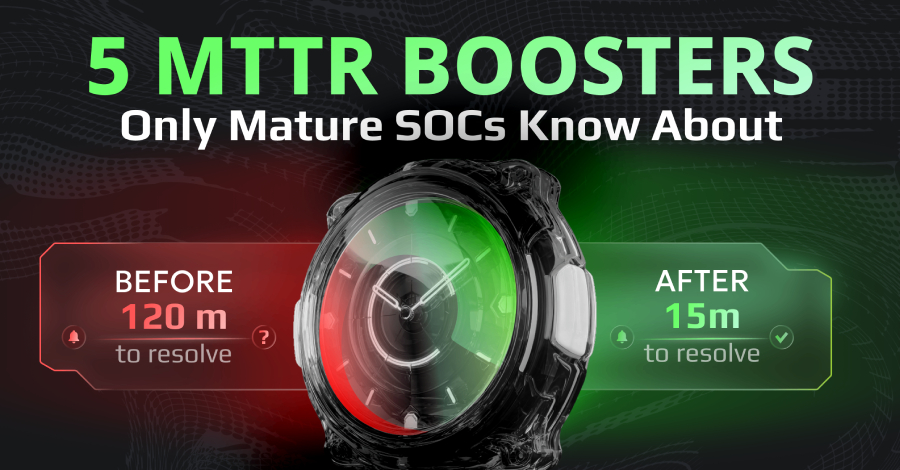
In the realm of cybersecurity, the efficiency of a Security Operations Center (SOC) is often measured by its Mean Time to Respond (MTTR). A swift MTTR is crucial, as every moment a threat lingers within a system increases the risk of data breaches, service interruptions, regulatory penalties, and reputational harm. Contrary to common belief, the primary cause of prolonged MTTR isn’t a shortage of analysts but rather the fragmentation of threat intelligence within the workflow. Manual processes, such as consulting separate feeds, accessing isolated reports, and performing enrichment in disparate tabs, introduce delays that accumulate over time. Mature SOCs address these inefficiencies by embedding intelligence directly into their workflows, ensuring that critical information is available precisely when decisions need to be made. Here are five key areas where this integration significantly enhances MTTR:
1. Proactive Detection: Identifying Threats Before They Escalate
Traditional SOCs often initiate detection only after an alert is triggered, by which time an attacker may have already established a foothold. Advanced SOCs, however, extend their monitoring beyond internal signals by continuously incorporating fresh indicators from real-world attacks. By matching these indicators against their own telemetry, they can flag suspicious activities before they manifest as alerts. This proactive approach shifts detection upstream, allowing teams to intercept threats in their nascent stages, making containment faster and less costly. From a business standpoint, early threat identification minimizes the potential for significant breaches, thereby reducing risk.
2. Efficient Triage: Converting Ambiguity into Immediate Insight
Triage is the process of assessing and prioritizing threats, and it’s often where SOCs experience bottlenecks. In less mature environments, triage can devolve into mini-investigations, with analysts toggling between tools, seeking context, and escalating alerts out of caution. This cautious approach is time-consuming and labor-intensive. Mature SOCs streamline this process by instantly enriching indicators with behavioral context from actual malware executions. This immediate clarity enables analysts to understand the nature and severity of a threat without guesswork, leading to quicker decisions and more precise escalations. Additionally, AI-powered search capabilities allow analysts to describe their queries in natural language, which are then translated into structured searches, further reducing friction and accelerating investigations. This efficiency means that Tier 1 analysts can handle more cases independently, enhancing overall SOC productivity without the need for additional staffing.
3. Comprehensive Investigation: Piecing Together a Unified Narrative
Investigations can become protracted when analysts must piece together fragmented data from various sources, such as logs, reputation checks, and behavioral analyses. This disjointed approach not only consumes time but also increases cognitive load. Mature SOCs mitigate this complexity by anchoring investigations in context-rich intelligence, where indicators are linked to real execution data, attack chains, and observable behaviors. This holistic view allows analysts to see the complete picture of an attack, reducing the need for extensive searching and enabling a focus on understanding the threat. This approach not only shortens analysis time but also improves decision quality, empowering less experienced analysts to operate with greater confidence. For businesses, faster and clearer investigations mean reduced dwell time for threats, directly limiting potential damage.
4. Rapid Response: Acting with Confidence and Speed
Even after identifying a threat, response times can lag due to manual steps, inconsistent playbooks, and delays between decision and action. Mature SOCs treat response as an almost automatic process once a threat is confirmed. By integrating threat intelligence feeds into Security Information and Event Management (SIEM) and Security Orchestration, Automation, and Response (SOAR) platforms, known malicious indicators can trigger immediate actions such as blocking or isolation. This integration ensures that the system reacts with certainty, reducing the time between threat identification and containment to mere seconds. For businesses, this rapid containment minimizes operational impact, protects critical assets, and prevents disruptions from cascading across systems.
5. Proactive Threat Hunting and Prevention: Learning to Avert Future Incidents
The distinction between mature and less mature SOCs is evident in their actions between incidents. Reactive teams move from alert to alert, often encountering variations of the same attack without recognizing patterns. Mature SOCs, however, allocate time for proactive work by tracking emerging campaigns, understanding attacker techniques, and adapting defenses in advance. This proactive stance creates a compounding effect over time, resulting in fewer incidents and a more resilient security posture. From a business perspective, this approach transforms cybersecurity from a reactive endeavor into strategic risk management, leading to fewer surprises and disruptions.
Addressing the Root Causes of Delays
Delays in MTTR often stem from minor, repeated inefficiencies rather than singular failures. Missing context, extra lookups, and delayed decisions collectively extend response times. Mature SOCs address these issues by redesigning information flow, integrating threat intelligence directly into daily workflows. This integration reduces the need for searching, verifying, and cross-checking, allowing analysts to focus more on decision-making. For leadership, improving MTTR is not just a technical goal but a business imperative. Faster detection and response reduce the likelihood of major incidents, limit operational disruption, and enhance the return on existing security investments.
Conclusion
By embedding threat intelligence into their workflows, mature SOCs enhance detection, triage, investigation, response, and prevention processes. This integration leads to faster MTTR, reduced risk, and a more resilient organization.