In a shift away from digital-first ventures, a rising number of entrepreneurs are launching businesses designed to bring people together offline—not through apps, but through shared, in-person experiences.
The Rise of Offline-First Founders
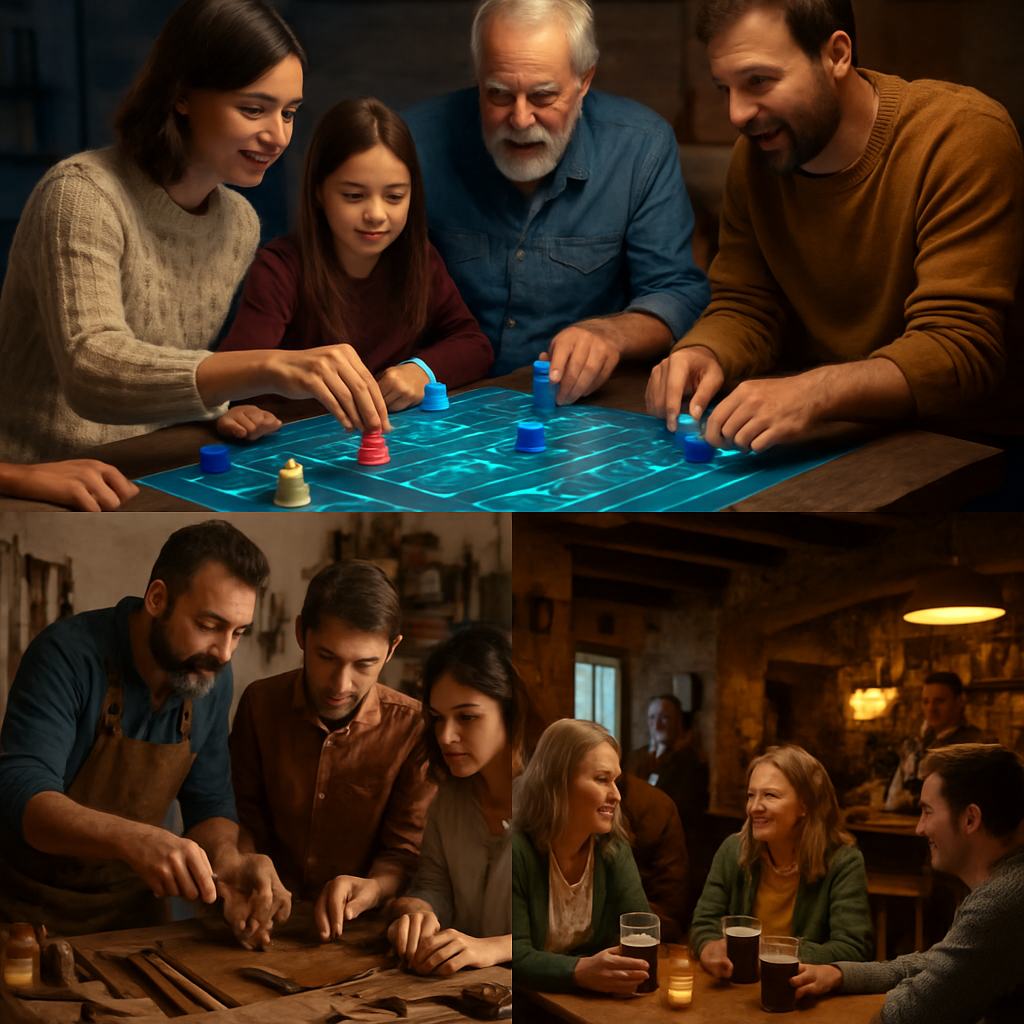
Brynn Putnam and Tristan Walker are leading the way. Putnam’s new venture, Board, is a 24-inch touchscreen table that reacts to physical game pieces and gestures, built with the intent of enabling groups to gather around a screen together. Her previous startup, Mirror, was sold to Lululemon for $500 million in cash after less than three years. Walker, meanwhile, is reviving artisanal trades through Heirloom, acquiring and expanding craft-focused schools, with a first campus focused on leatherwork in San Francisco. These aren’t side projects—they are new attempts to rebuild connection in physical spaces. Putnam and Walker are also operating with a refreshed set of values: focus on craftsmanship, face-to-face learning, and communal moments instead of remote convenience.
Other Ventures in the Same Orbit
Other founders are charting similar paths. Andy Dunn, co-founder of Bonobos, has evolved his project Pie into a “social life operating system,” offering digital tools anchored in community networks like running clubs and watch parties. Audrey Gelman, after her experience with The Wing, is now behind Six Bells Countryside Inn in Hudson Valley, hosting immersive experiences such as murder-mystery dinners where strangers mingle and linger into the night. Even Adam Neumann has jumped in—his Flow real estate concept aims to solve loneliness through shared physical environments.
Why Now? Social Cracks & Market Signals
Several larger forces are fueling this trend. The World Health Organization has declared loneliness a serious global health issue, estimating around one in six people are affected and linking it to some 870,000 deaths annually. Meanwhile, cultural and consumption preferences are shifting. A recent survey found that two-thirds of Americans are choosing experiences over things and expressing dissatisfaction with how stores and retailers feel too generic.
On the talent side, there’s hesitancy about traditional paths. Walker pointed out that many young people—Gen Z and Gen Alpha—are rejecting four-year degrees, some in favor of skill- or craft-based learning. At Heirloom, a substantial portion of students are tech workers seeking “phones-down creative outlets,” rather than mid-career changers.
Funding the Physical Comes with Higher Stakes
Early financials suggest this is just emerging. Board raised $35 million. Pie has secured $24 million. Six Bells pulled in roughly $3.8 million. Heirloom, being only about a year old, hasn’t publicly disclosed its financing. The outlier is Flow, backed with more than $450 million, showing what scale might look like for ventures that successfully tie together space, design, and community. Still, the business of gathering real people—vs. shipping software—faces tougher economics and scalability challenges.
What sets many of these ventures apart is their leadership. Founders like Putnam, Walker, Dunn, Gelman, and Neumann have prior exits or used experience building brands that resonated with customers, lending credibility to bets on new, offline-centric business models. It’s easier to raise money when investors believe the founder understands how to build something people’ll show up for.
Ultimately, these ventures are not trying to abandon technology—they’re trying to use it to enable connection rather than replace it. Recognizing physical objects, creating tactile experiences, stewarding craft skills: these are counter-digital moves that still embrace tech in service of community.
Is this a lasting category? It’s early days. In one to two years the proof points—attendance, retention, profitability, the ability to scale real-world spaces—will reveal whether bringing people together offline really is its own industry. Until then, we’ll be watching whether customers want to step away from their screens and invest in shared experiences.