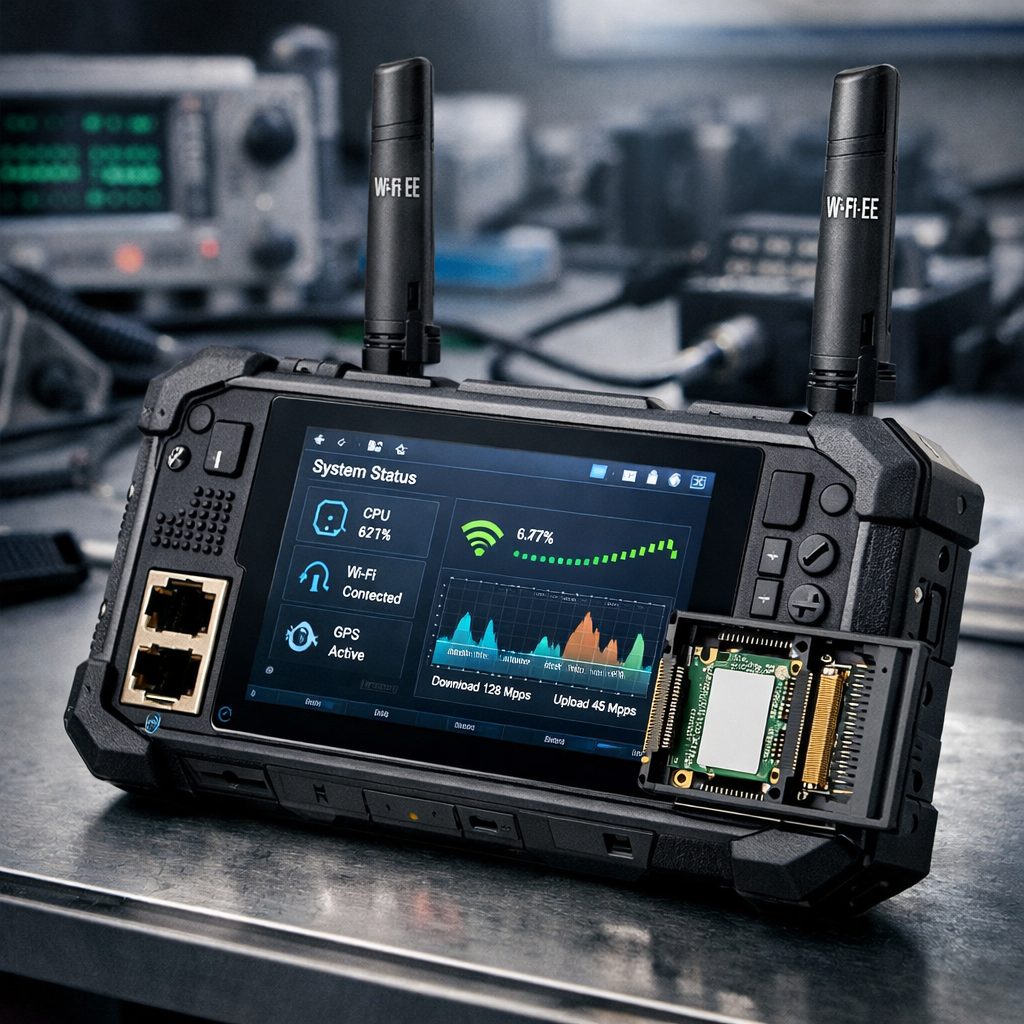
Flipper Devices has unveiled Flipper One, a portable Linux-powered device aimed at network testing, hardware work, and security research. The company launched a Kickstarter campaign on November 17 running through December 17, 2026. Initial backing begins at $399, with delivery expected around July 2027.
What Flipper One Brings
Flipper One isn’t a replacement for the original Flipper Zero—instead, it targets a different audience. Where Zero specializes in radio protocols like NFC, RFID, infrared, and sub-GHz signals, One shifts focus toward IP networking and Linux-based applications.
The hardware supports up to five network uplinks and includes dual Gigabit Ethernet ports. These allow the device to function as both a transparent network bridge or packet capture sensor between wired systems. It can also operate simultaneously as Wi-Fi client and access point. Core networking features include host discovery, port and service scanning, network topography mapping, passive monitoring of traffic, and potential attack detection.
Wireless capabilities are robust: Flipper One uses MediaTek radio hardware to offer Wi-Fi 6E across 2.4 GHz, 5 GHz, and 6 GHz bands including monitor mode. Planned but unconfirmed features like packet injection and “advanced wireless functions” remain under development and may not be ready at launch.
Internal Design & Expandability
At its heart is an eight-core Rockchip RK3576 processor that runs the Linux system and supports high-speed interfaces. A separate microcontroller—built around the Raspberry Pi RP2350—handles user input, the display, power control, and boot management. This division ensures that even if the main Linux OS fails or is powered down, basic device operations like screen and button control remain functional via the microcontroller.
For customization and future hardware growth, Flipper One offers an internal M.2 slot compatible with PCIe, USB, and SATA for adding modems, software-defined radios, or SSDs. A 5G modem is required to unlock its built-in eSIM for cellular data. GPIO pins allow for user-built hardware extensions. On the software side, Flipper Devices is collaborating with Collabora to work toward integrating the RK3576 platform into mainline Linux—seeking to reduce dependency on vendor patches. However, some components such as DDR training in the boot process are still proprietary. Features like video decoding and AI acceleration are in development but unfinished as of the latest updates.
Takeaways & Considerations
Flipper One is positioned as a field-ready network lab in a handheld box—combining wired traffic analysis, wireless monitoring, expandable hardware, and open-Linux software. It promises value for network administrators, pen testers, and security researchers who need portable toolsets.
That said, its most advanced features are not yet confirmed production-ready. Crowd-funded delivery dates always carry risk. Buyers should distinguish between what’s already functional and what remains planned. And while open source is part of its vision, some critical elements are still proprietary.
Flipper One’s arrival highlights—and helps fill—a gap between specialized hardware tools and general-purpose Linux boxes. If it delivers on its promise, it could shift how mobile network security labs are built and used. The key will be whether the launched product matches its ambitious specifications, particularly for wireless performance and modular expansion. Keep an eye on the firmware maturity, community support, and the results of early hands-on reviews once shipping begins mid-2027.