Earlier this year, Google introduced a new suite of health metrics under the “Your Health Guardian” banner, promising features like blood pressure trends, insulin resistance tracking, and sleep breathing quality for its wearable devices. While the Pixel Watch lineup gained full access, the Fitbit Air—Google’s screenless tracker—was excluded from the sleep breathing quality feature. Now, the company has confirmed that it will be arriving on Fitbit Air, just not yet.
What’s live now, and what’s still pending
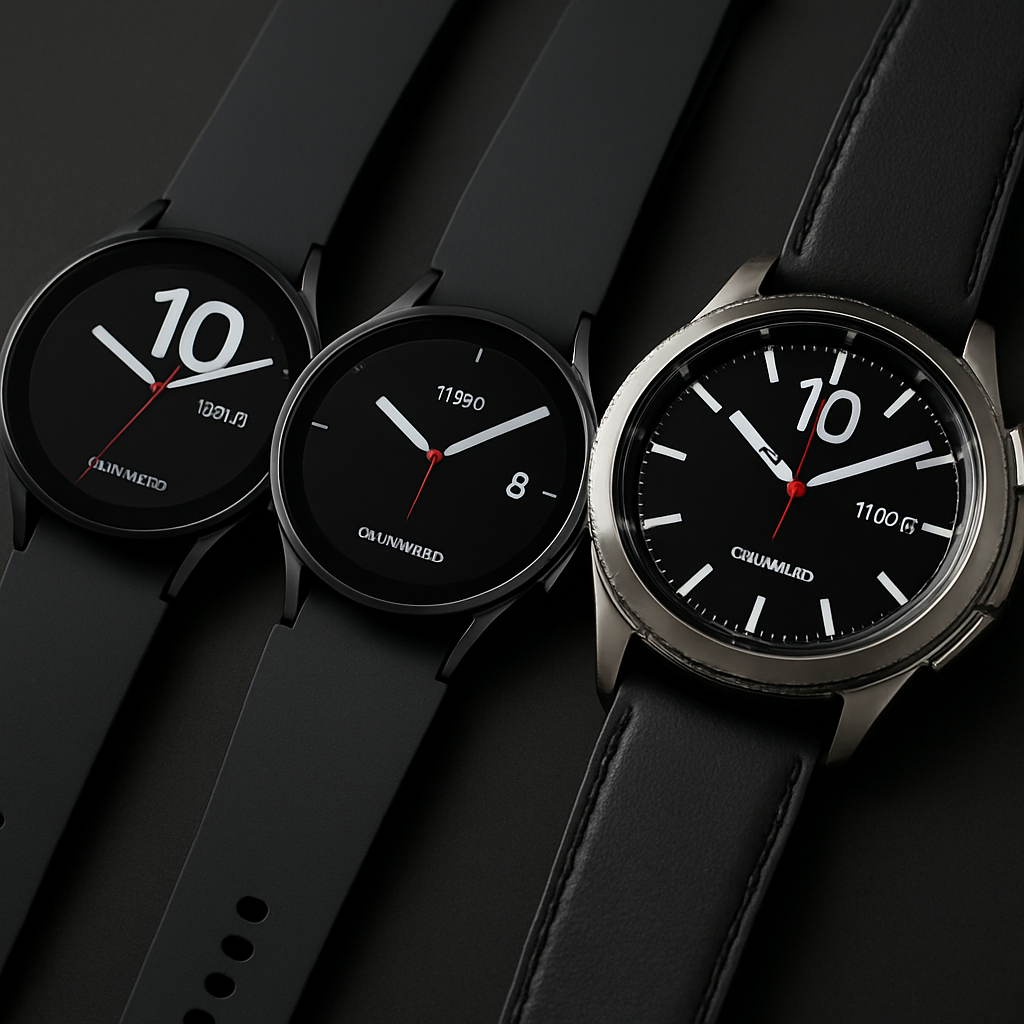
The Pixel Watch models—Pixel Watch 3, 4, and 5—are already benefitting from all three promised features: blood pressure trends, insulin resistance trends, and sleep breathing quality. Users can see these functions both on-device and in their health dashboards. By contrast, Fitbit Air currently supports only the first two, with sleep breathing quality remaining locked. This omission has become a point of concern for users who believed all features would arrive simultaneously.
During its announcement, Google stated that the full Your Health Guardian suite would come to Fitbit Air “later this year,” but the wording suggested some functionalities—namely sleep breathing quality—would arrive more slowly. The original rollout didn’t make clear which features would lag, leading many to assume the trio would all be enabled together.
Google’s updated timeline and message
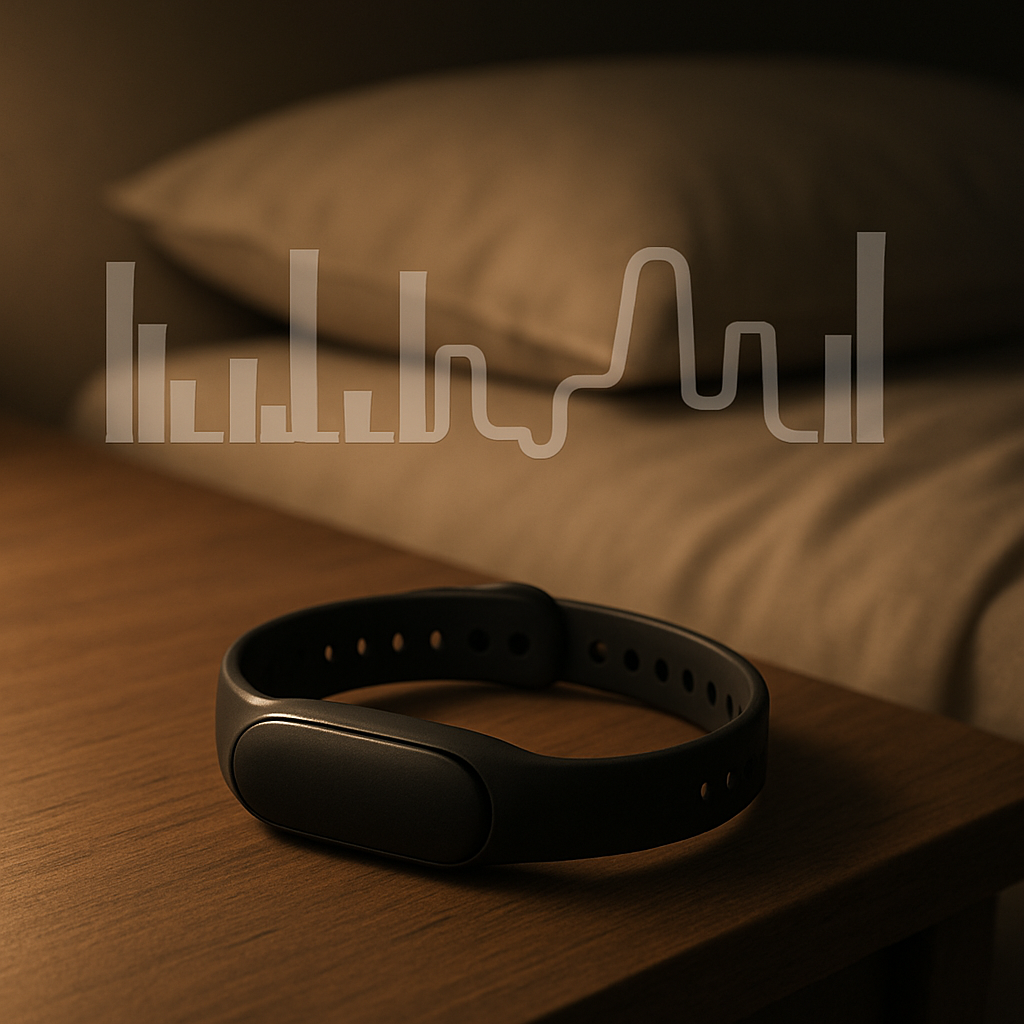
In response to feedback, Google has reiterated that sleep breathing quality is still on its roadmap for Fitbit Air. A recent statement directed specifically to Android Authority emphasized that this feature will arrive for Air users “soon,” though no new delivery date has been specified. There’s still no clarity around what “soon” means—whether weeks away or further into the quarter.
Fitbit Air users are understandably frustrated by the delay, since the device was advertised with the full Your Health Guardian suite in mind. Even now, users don’t have a firm schedule for when the final missing feature will drop.
This issue draws attention to Google’s strategy around wearable health metrics, especially as screenless fitness devices become more capable. It raises important questions about parity between devices—how and when promised features get delivered, and whether marketing expectations match the actual rollout.
What this means and what to watch next: The delayed rollout of sleep breathing quality on Fitbit Air matters because it shows how feature timing can affect user trust, especially when devices are positioned as having an equivalent health feature set. Air users should keep an eye on firmware and app updates over the next few weeks. Also worth watching is whether Google provides a more precise timeline for the feature—realistic expectations will go a long way in smoothing disappointment. Moving forward, the company’s communication around which devices get what when will be just as critical as the functionality itself.