A federal judge in Oklahoma has ruled that a sheriff’s deputy violated a woman’s Fourth Amendment rights by using Flock Safety’s license-plate database without a warrant simply because her car was registered in California. This decision marks one of the first times a federal court has declared a Flock search unconstitutional.
Case Breakdown: Warrantless Search Leads to Evidence Suppression
The case stems from a routine search in Tulsa, where a sheriff’s deputy looked up a woman’s license plate in Flock Safety’s networked system without either a warrant or reasonable suspicion. The deputy later used her travel history—pulled from Flock—to justify searching her vehicle. That search yielded 91 pounds of meth. But Judge Sara Hill determined the warrantless search was unconstitutional, ordering that all evidence obtained after the Flock search be suppressed under the doctrine known as the “fruit of the poisonous tree.”
Judge Hill’s View: Surveillance Without Boundaries
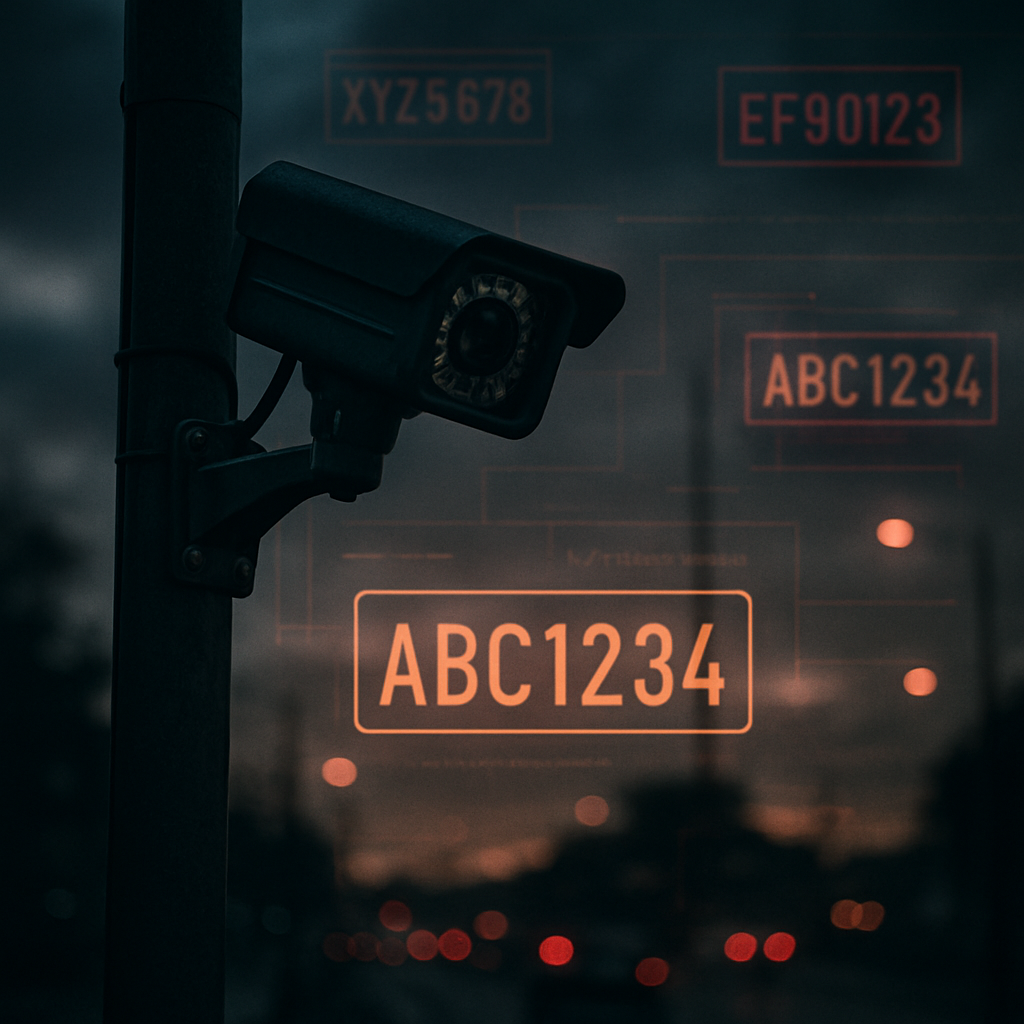
Judge Hill’s opinion expressed deep concern over the nature of warrantless access to Flock’s data. She argued that even public movement can become constitutionally questionable when law enforcement is allowed to passively track vehicles over long periods without targeting specific individuals. The judge characterized Flock’s setup—collecting data from cameras connected across public spaces and delivering it on demand to law enforcement—as an example of “indiscriminate mass surveillance.”
Broader Tensions: Privacy vs. Public Safety
This ruling arrives amid increasing pushback against Flock Safety’s automated license-plate readers (ALPRs). Several states, including Florida and Texas, have already pulled back or banned the practice. On the federal front, Senator Bernie Sanders introduced the Block Flock Act, proposing to bar federal agencies from using ALPRs of this kind.
Meanwhile, Flock’s leadership has made efforts to strike a balance between privacy concerns and safety goals. The company’s CEO has called for compromise and expressed regret for misuse cases—particularly instances in which law enforcement allegedly used Flock tools to engage in stalking. At the same time, as policy backlash intensifies, Flock has offered voluntary buyouts to employees as part of cost-cutting steps.
This decision is not binding precedent beyond the specific case in Oklahoma, but it adds to a growing body of legal scrutiny over license-plate reader systems. As applications of such surveillance tools expand, courts and legislatures are increasingly being pushed to define the limits of constitutional privacy.