Web3 developers are facing a new cybersecurity threat as attackers impersonate recruiters to distribute malware through a fake meeting application called ‘Relay.’ This scheme exploits the trust inherent in remote hiring processes, leading to significant data breaches and potential financial losses.
Deceptive Recruitment Tactics
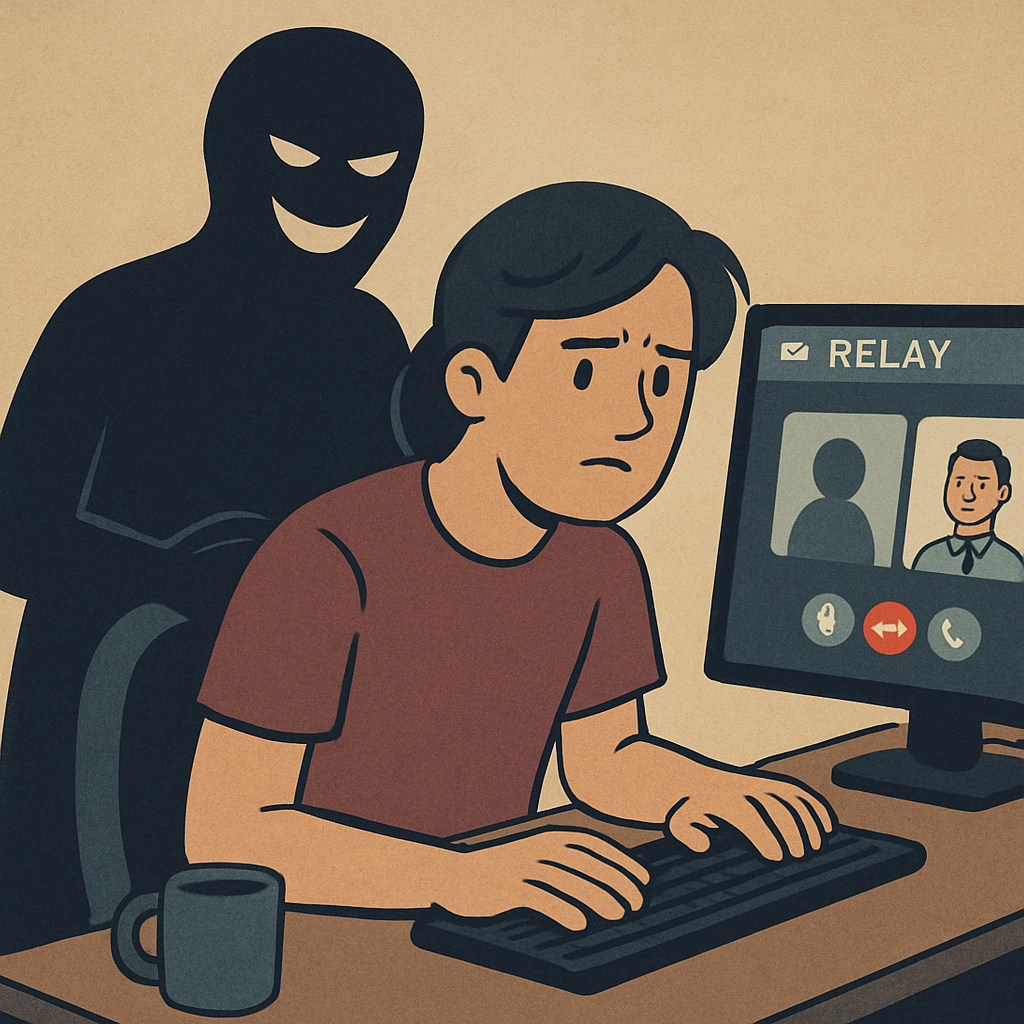
The attack begins with cybercriminals posing as recruiters who engage developers in discussions about job opportunities. They then direct candidates to download ‘Relay,’ purportedly an AI-powered meeting application offering features like notes and transcripts. This approach leverages the common practice of using specialized tools for remote interviews, making the request appear legitimate.
Malware Deployment and Data Theft
Once installed, the ‘Relay’ application operates as an information-stealing malware. It targets sensitive data, including browser-stored passwords, cryptocurrency wallet extensions, Telegram sessions, and system information. The malware’s design allows it to run discreetly, often without immediate detection by the user.
On macOS systems, the installation process involves instructing users to execute commands in the Terminal, which facilitates the malware’s deployment. The Windows version presents a deceptive ‘Updating’ progress bar, during which the malware installs itself and begins its data collection activities.
Broader Implications and Preventative Measures
This campaign is part of a larger trend where attackers exploit trusted platforms and workflows to distribute malware. Similar tactics have been observed in previous incidents involving malicious npm packages and fake coding challenges. The common thread is the manipulation of trust within professional and development environments to achieve malicious ends.
To mitigate such threats, developers should exercise caution when receiving unsolicited job offers, especially those requiring the installation of unfamiliar software. Verifying the authenticity of recruiters and the legitimacy of the tools they recommend is crucial. Additionally, maintaining up-to-date security software and being vigilant about system permissions can help prevent unauthorized access and data theft.
As remote work and virtual hiring processes become more prevalent, the importance of cybersecurity awareness cannot be overstated. Developers must remain vigilant and adopt proactive measures to protect themselves from increasingly sophisticated social engineering attacks.