Fairphone is pressing ahead with its vision of a more sustainable, repairable smartphone future with the U.S. debut of its Gen 6+ model. A recent episode of the podcast “The Sideload” explored how this Dutch brand is navigating the industry-wide RAM crunch, right-to-repair demands and the challenges of entering the American market.
What’s new with the Gen 6+ and Fairphone’s U.S. arrival
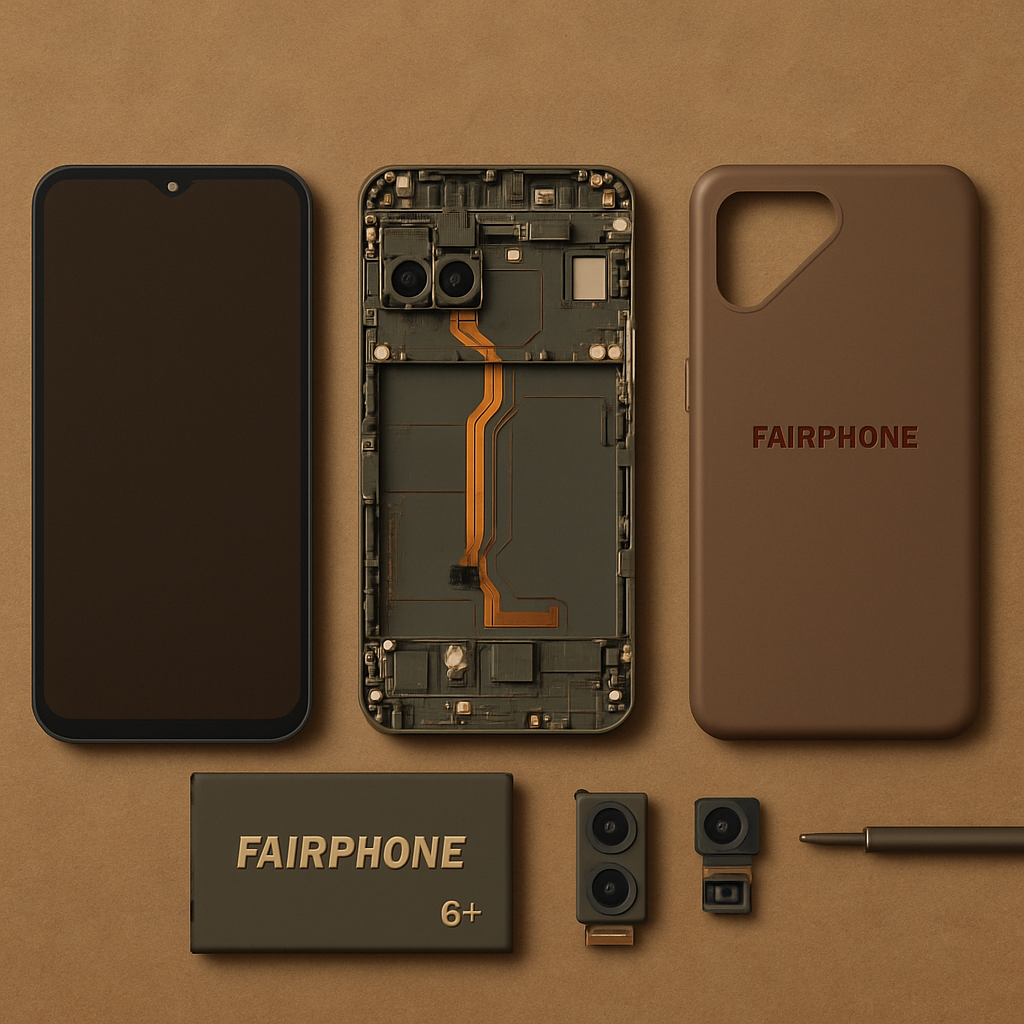
The Fairphone Gen 6+ is now officially available for sale in the U.S. through its own channels and on Amazon, a first for the company. Priced at $649, the Gen 6+ builds on the company’s 2025 Gen 6 release by improving performance and repairability, while also expanding directly into the U.S. market. Support is promised through major carriers including AT&T and T-Mobile. Key hardware upgrades include 12 GB of DDR5 RAM (up from 8 GB previously), a Snapdragon 7s Gen 4 processor, and 256 GB of internal storage with microSD expansion. The screen is a 6.31-inch LTPO AMOLED operating at 120 Hz, and the battery is user-removable, as are a dozen parts like the USB-C port, display, and back cover—each designed to be swapped out within minutes using screws, not glue. Software support runs through 2032 or 2033, depending on region, with Android 16 aboard. These changes aim to address performance concerns in an era when RAM is both scarce and expensive.
Repairability, ethics, and what’s at stake
Fairphone’s core proposition has always been more than specs: it’s built around modularity, sustainability, and transparency. The Gen 6+ keeps Fairphone’s strong repair ethos intact by allowing users to replace 12 major components themselves. Fairphone claims simple tools—like a Torx T5 screwdriver—are all that’s required to start disassembly, putting the company ahead of many mainstream phones bound by adhesives and sealed designs.
Ethical sourcing is woven throughout: half the Gen 6+’s materials are recycled, and there’s renewed emphasis on fair wages in the supply chain. Physically, the device trades off high ingress protection—the Gen 6+ features an IP55 rating rather than more robust protection—but that’s a byproduct of choosing screws over sealing, silicone over glue, and component access over total watertightness. These are deliberate decisions intended to make repair simple, fast and affordable.
Challenges in U.S. market and the “RAM-geddon” context
The podcast “The Sideload” featured Fairphone CTO Chandler Hatton discussing the timing of this U.S. expansion. Amid a global RAM shortage—many phones are being sold with reduced memory to cut costs—Fairphone chose to go against the grain by offering 12 GB RAM to better match future demands. The move is part of a broader strategy to build hardware that doesn’t just look good now, but stays usable for years.
Launching directly in the U.S. (instead of via a third party or modified OS) gives Fairphone greater control over pricing, product, updates, and the full experience. That said, Fairphone acknowledges the hurdles: component access, supply chain pressures, carrier compatibility, and consumer expectations of fast-charging, water resistance, and camera prowess. To many, achieving greater repairability is a trade-off—but according to Fairphone, one worth making.
Fairphone’s Gen 6+ and its U.S. launch suggest the era of disposable tech is under pressure. While most flagship phones pour everything into sleek aesthetics and sealed internals, Fairphone doubles down on repair, long-term support, and ethical practices. It’s an uphill road—balancing IP protection, pricing, and hardware durability with openness and serviceability isn’t trivial—but the Gen 6+ offers a test case for what consumers might demand next. If Fairphone succeeds, the ripple effects could be far-reaching: stronger right-to-repair laws, more sustainable materials across the industry, and new expectations around modularity couldn’t just be features—they’d become baseline. Watch for how customers respond to this trade-off, and whether larger brands adapt or ignore this shift at their own risk.