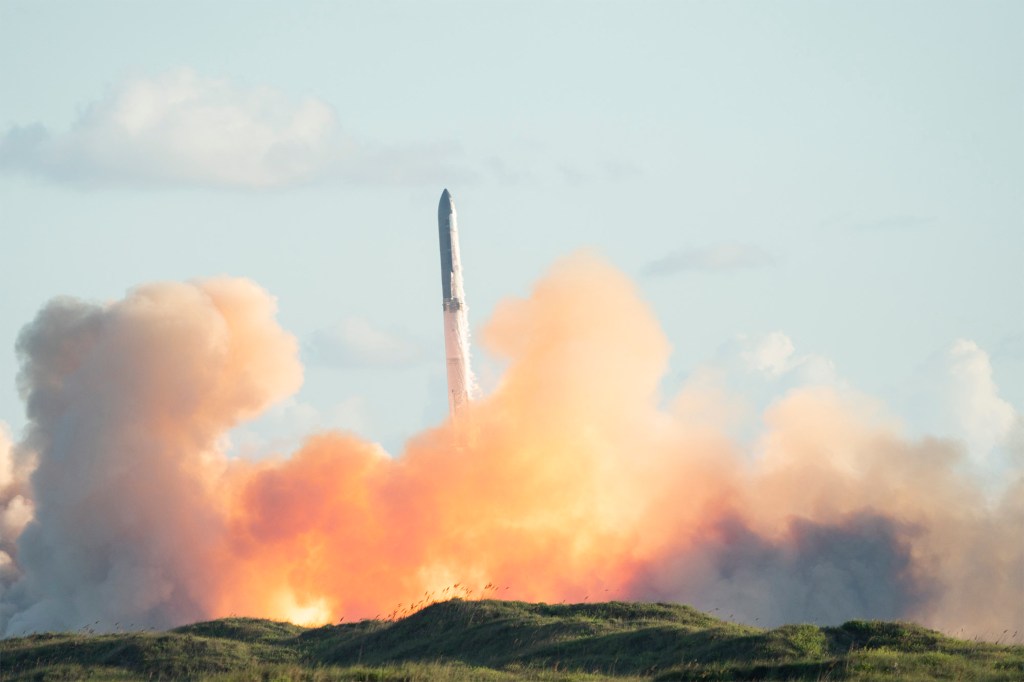
FAA Halts SpaceX Starship V3 Launches Pending Booster Failure Investigation
The Federal Aviation Administration (FAA) has mandated that SpaceX conduct a thorough investigation into the failure of its Starship V3 booster during the May 22 test flight. This directive requires SpaceX to suspend all subsequent Starship test launches until the investigation is completed and the findings are reviewed and approved by the FAA. This pause is likely to delay any further launches before SpaceX’s anticipated initial public offering (IPO) in mid-June.
In a statement released on May 27, the FAA detailed the incident:
After a thorough assessment of the operation, the FAA has determined the May 22 SpaceX Starship Flight 12 launch resulted in a mishap. The mishap involved the Super Heavy booster as it flew back to the Gulf of America after stage separation. There are no reports of public injury or damage to public property.
The FAA emphasized its role in overseeing the investigation, stating it will be involved in every step of the process and will approve SpaceX’s final report, including any corrective actions.
Incident Overview
The May 22 test flight marked the inaugural launch of SpaceX’s upgraded Starship V3, a significant advancement in the company’s super heavy rocket system. The mission proceeded as follows:
– Launch and Ascent: The Starship V3 successfully lifted off from SpaceX’s Starbase facility in Texas, passing through the point of maximum dynamic pressure and reaching space.
– Stage Separation: The Super Heavy booster separated from the Starship vehicle as planned.
– Booster Anomaly: Shortly after separation, the booster attempted a sustained burn to return to the Gulf of Mexico for a simulated landing. However, it experienced an apparent engine failure—or possibly multiple engine failures—leading to uncontrolled tumbling and an eventual impact in the Gulf.
– Starship Anomaly: The Starship vehicle itself encountered issues post-separation, losing one of its six Raptor engines. This loss contributed to the abandonment of a planned sustained orbital burn.
Technical Enhancements in Starship V3
The Starship V3 incorporates several significant upgrades aimed at enhancing reliability and performance:
– Booster Design Modifications: Adjustments to the Super Heavy booster to improve structural integrity and flight dynamics.
– Third-Generation Raptor Engines: Implementation of new Raptor engines designed for increased thrust and efficiency.
– Starship Vehicle Upgrades: Enhancements to the Starship vehicle, including improved thermal protection systems and avionics.
Despite these advancements, the recent test flight revealed critical issues that necessitate further analysis and refinement.
Implications for SpaceX’s Development Timeline
SpaceX anticipates and accepts failures during the development of its rocket systems, viewing them as opportunities for learning and improvement. The ultimate objective is to develop a vehicle akin to the Falcon 9—both reliable and highly reusable. Achieving reusability is essential for reducing the costs associated with deploying heavy payloads into space.
According to SpaceX’s IPO filing, the success of the Starship program is pivotal for the expansion of its Starlink service, which currently stands as the company’s primary revenue source and sole profitable venture.
Regulatory Oversight and Industry Context
The FAA has previously mandated multiple mishap investigations during the development of Starship. Similarly, the agency required Blue Origin to conduct an investigation following a mishap with its New Glenn rocket. In April 2026, the FAA ordered Blue Origin to investigate an upper-stage failure during a New Glenn launch, underscoring the agency’s commitment to safety and accountability across the commercial spaceflight industry.
Conclusion
The FAA’s directive for SpaceX to investigate the Starship V3 booster failure underscores the challenges inherent in developing advanced spaceflight technologies. While setbacks are an expected part of the innovation process, they also serve as critical learning opportunities. The outcomes of this investigation will likely influence the timeline for future Starship launches and may impact SpaceX’s upcoming IPO. As the company works to address these issues, the aerospace community will be closely monitoring its progress and the implications for the broader industry.