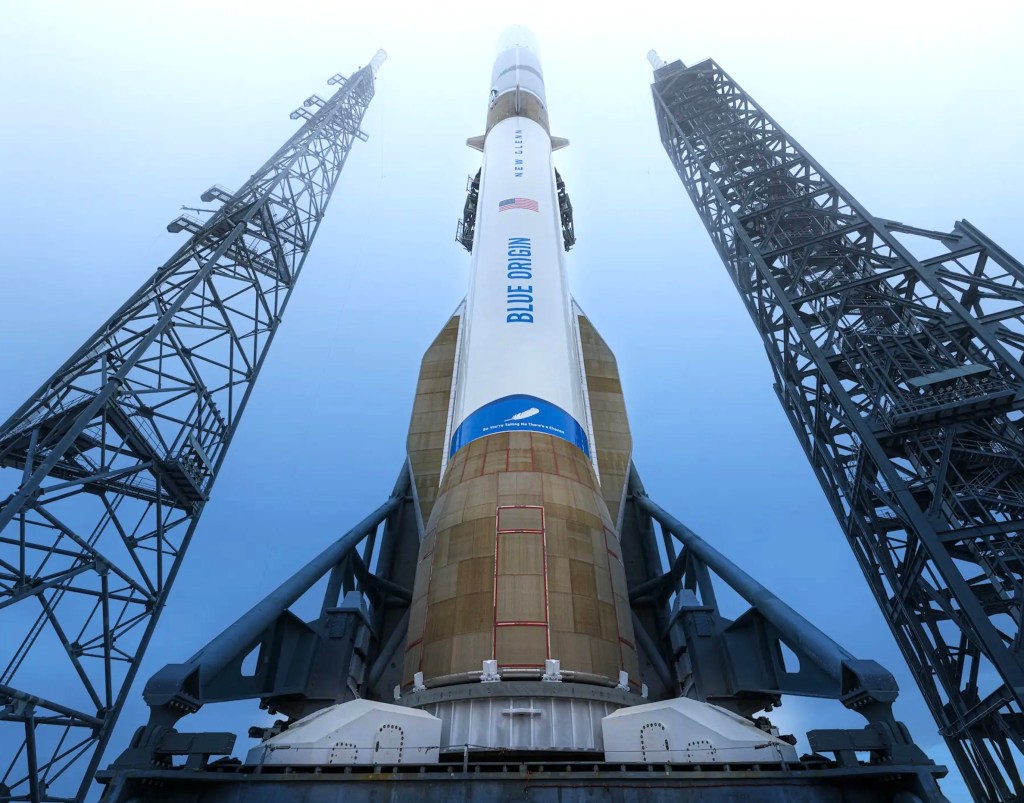
Catastrophic Explosion of Blue Origin’s New Glenn Rocket During Florida Test
On the evening of May 28, 2026, Blue Origin’s New Glenn mega-rocket experienced a catastrophic explosion during a static fire test at Cape Canaveral, Florida. The test was a preparatory step for the rocket’s anticipated fourth launch, intended to deploy Amazon’s Leo internet satellites into orbit. Live streams from NASASpaceFlight.com and SpaceFlight Now captured the explosion, which Blue Origin later confirmed.
In a statement on X (formerly Twitter), Blue Origin assured that all personnel were accounted for, referring to the incident as an anomaly. Founder Jeff Bezos expressed his commitment to identifying the root cause and rebuilding, acknowledging the severity of the situation. NASA Administrator Jared Isaacman indicated that the agency would collaborate with partners to investigate the anomaly and assess its impact on upcoming missions. The Federal Aviation Administration (FAA) confirmed awareness of the explosion, noting no impact on air traffic.
This incident is a significant setback for Blue Origin, potentially delaying the New Glenn program, which aimed for up to 12 launches in 2026. The company has invested approximately a decade in developing New Glenn to compete with SpaceX. The explosion also raises concerns about Blue Origin’s role in NASA’s Artemis missions to the moon, as the company was expected to contribute significantly to the program.
The explosion occurred shortly after New Glenn’s third flight, which failed to place an AST SpaceMobile satellite into orbit due to an upper stage malfunction. The FAA had recently cleared New Glenn for flight following an investigation into that failure. Elon Musk, CEO of SpaceX, commented on the incident, acknowledging the challenges of rocket development and expressing hope for Blue Origin’s swift recovery.
Blue Origin’s journey with New Glenn has been marked by both achievements and challenges. The rocket’s inaugural flight in January 2025 reached orbit, though the booster stage was lost during landing. In November 2025, the second flight successfully deployed twin spacecraft for NASA and achieved the first booster landing. The third flight in April 2026 demonstrated booster reusability but failed to deliver its payload to the correct orbit.
The recent explosion underscores the inherent risks in space exploration and the complexities of developing reliable launch systems. As Blue Origin investigates the cause, the aerospace community will closely monitor the company’s efforts to overcome this setback and continue its mission to advance space technology.