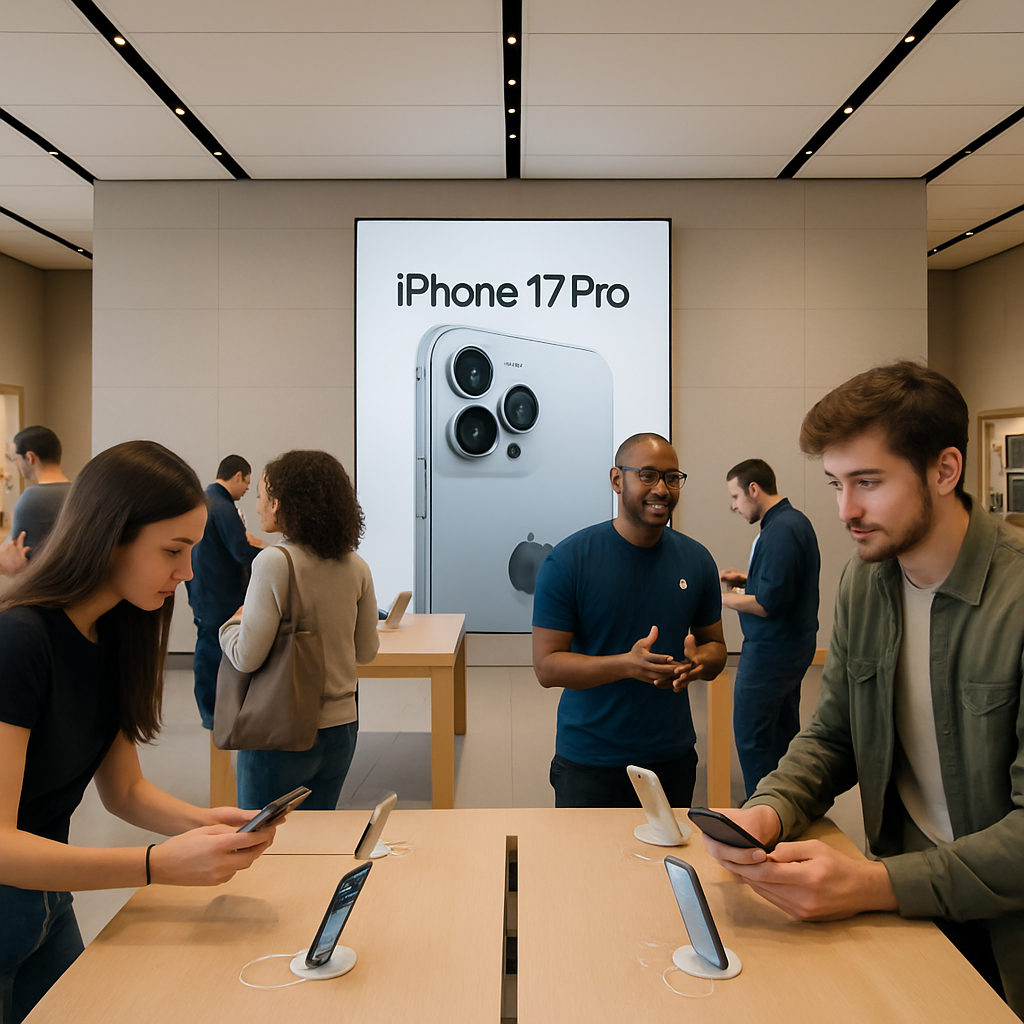
Apple has introduced ‘Apple Upgrade,’ a leasing program in the United States that allows customers to lease devices such as the iPhone, Apple Watch, Mac, and iPad. This initiative offers flexible payment plans, enabling users to access the latest Apple products without the need for full upfront payment.
For instance, leasing an iPhone 17 Pro with 256GB storage through Apple Upgrade costs $45.99 per month over a 12-month period. This totals approximately $551.88, which is less than the device’s full retail price of $1,099. However, at the end of the lease term, customers face three options:
- Return the device.
- Return the device and upgrade to a newer model.
- Purchase the device outright by paying the remaining balance, calculated as the retail price minus the lease payments made.
Choosing to return the device after 12 months means the total expenditure is $551.88, but the customer does not retain ownership and cannot resell or trade in the device. In contrast, purchasing the device outright allows for potential resale. For example, if the device is resold for $650 after a year, the net cost of ownership would be $449, which is less than the total lease payments.
Apple’s trade-in program currently offers $560 for a used iPhone 16 Pro in good condition, indicating that devices can retain significant value over time. This suggests that purchasing and reselling may be more cost-effective than leasing, depending on the resale value achieved.
It’s important to note that the Apple Upgrade program offers convenience by eliminating the need to manage device resale. This may appeal to customers who prefer a straightforward upgrade process without the hassle of selling their old devices.
In summary, while the Apple Upgrade program provides an accessible way to use the latest Apple devices, customers should carefully consider their financial priorities and preferences. Evaluating the potential resale value and personal convenience factors will help determine whether leasing or purchasing is the more advantageous option.