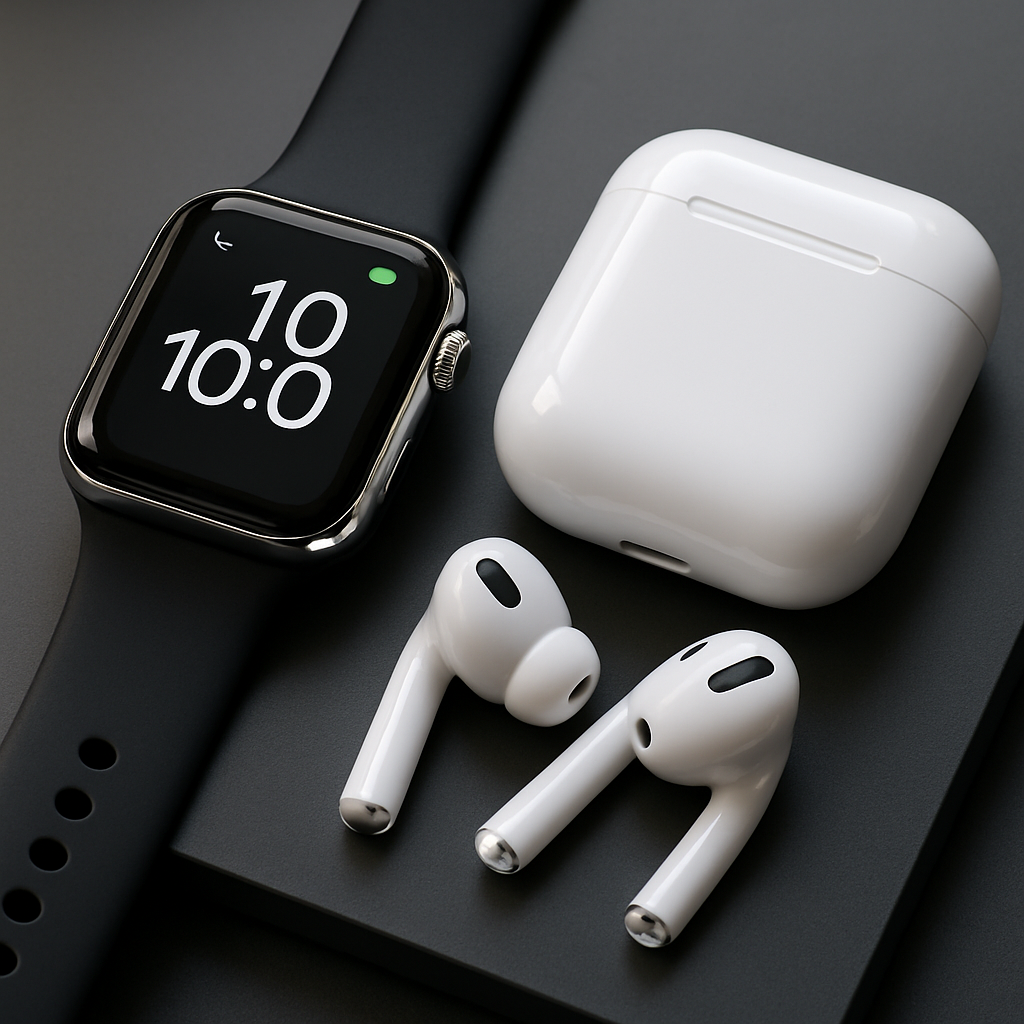
The European Commission has recently updated its Batteries Regulation, introducing exemptions that relieve devices like the Apple Watch and AirPods from the requirement to have user-removable and replaceable batteries. This amendment acknowledges the unique design and safety considerations associated with compact, sealed devices.
Initially, the EU’s Batteries Regulation mandated that consumer products sold within the region be equipped with batteries that users could easily replace. The primary objectives were to extend the lifespan of devices and facilitate the recycling of materials. However, the Commission has now expanded its list of exempt product categories to include wearables such as smartwatches and fitness trackers.
The rationale behind these exemptions is multifaceted. For devices like the Apple Watch and AirPods, opening their compact, sealed enclosures poses significant risks. Improper resealing can lead to water ingress, compromising the device’s functionality and safety. Additionally, the intricate construction of these devices makes battery removal inherently hazardous, and current manufacturing techniques do not offer a feasible method for user-accessible battery replacement.
These exemptions also encompass other wearable technologies, including smart glasses. Notably, companies like Meta have faced challenges in introducing their latest smart glasses to the European market due to the stringent battery removal requirements. The recent regulatory adjustments aim to alleviate such obstacles, promoting innovation while ensuring consumer safety.
It’s important to note that the iPhone was already exempt from the original battery removability rule. This exemption was granted based on the device’s battery cycle life and its water resistance capabilities. Apple continues to offer battery servicing options through its retail stores, authorized service providers, and the Self Service Repair program, which allows users to perform certain repairs, including battery replacements, independently.
Conversely, not all devices benefit from these exemptions. For instance, Nintendo has announced plans to release a version of the Switch 2 in the EU featuring a user-replaceable battery to comply with the forthcoming regulations.
The delegated act introducing these exemptions is currently under review by the European Parliament and the Council of the EU. If neither body raises objections, the act will take effect 20 days after its publication in the Official Journal of the EU, ahead of the broader implementation of the regulation in 2027.
This development underscores the EU’s commitment to balancing consumer safety, environmental sustainability, and technological innovation. By recognizing the unique challenges posed by certain device designs, the Commission aims to foster a regulatory environment that accommodates both industry advancements and user needs.