In the ever-evolving landscape of cybersecurity, recent developments have unveiled a series of sophisticated threats targeting various sectors. Notably, the emergence of ‘GhostJacking’ AI attacks has raised significant concerns among security professionals.
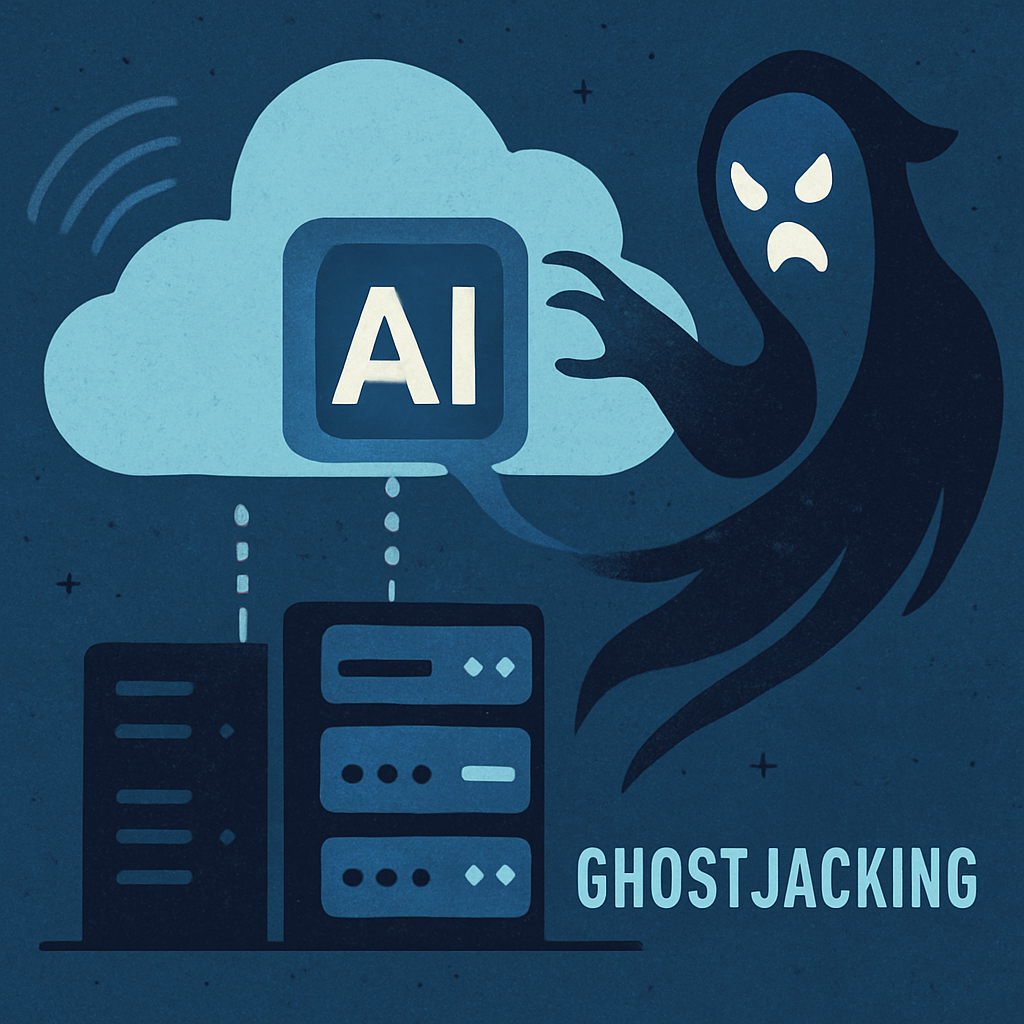
GhostJacking AI Attacks
Cybersecurity researchers have identified a novel attack vector termed ‘GhostJacking,’ which exploits vulnerabilities in cloud-hosted large language models (LLMs). This technique involves unauthorized access to cloud-based AI models, allowing attackers to manipulate outputs or extract sensitive data. The implications are profound, as LLMs are increasingly integrated into critical applications across industries.
EtherHiding ClickFix
Another concerning development is the ‘EtherHiding’ technique, which leverages Ethereum blockchain transactions to conceal malicious payloads. This method enables attackers to bypass traditional security measures by embedding harmful code within seemingly legitimate blockchain activities. The decentralized and immutable nature of blockchain complicates detection and mitigation efforts.
Cursor CLI Vulnerability
A significant vulnerability was discovered in the Cursor command-line interface (CLI), a tool widely used by developers. The flaw allowed untrusted repositories to execute arbitrary code on a developer’s machine without explicit consent. This posed a substantial risk, as it could lead to unauthorized access and potential data breaches. Prompt action was taken to address this issue, with patches released to secure the affected systems.
These incidents underscore the dynamic and complex nature of cyber threats in today’s digital environment. As attackers continue to innovate, it is imperative for organizations to adopt proactive security measures, conduct regular audits, and stay informed about emerging vulnerabilities. Collaboration between cybersecurity experts, developers, and industry stakeholders is essential to fortify defenses against these evolving threats.