Elon Musk’s Courtroom Clash: Tweets and Testimonies Collide in OpenAI Dispute
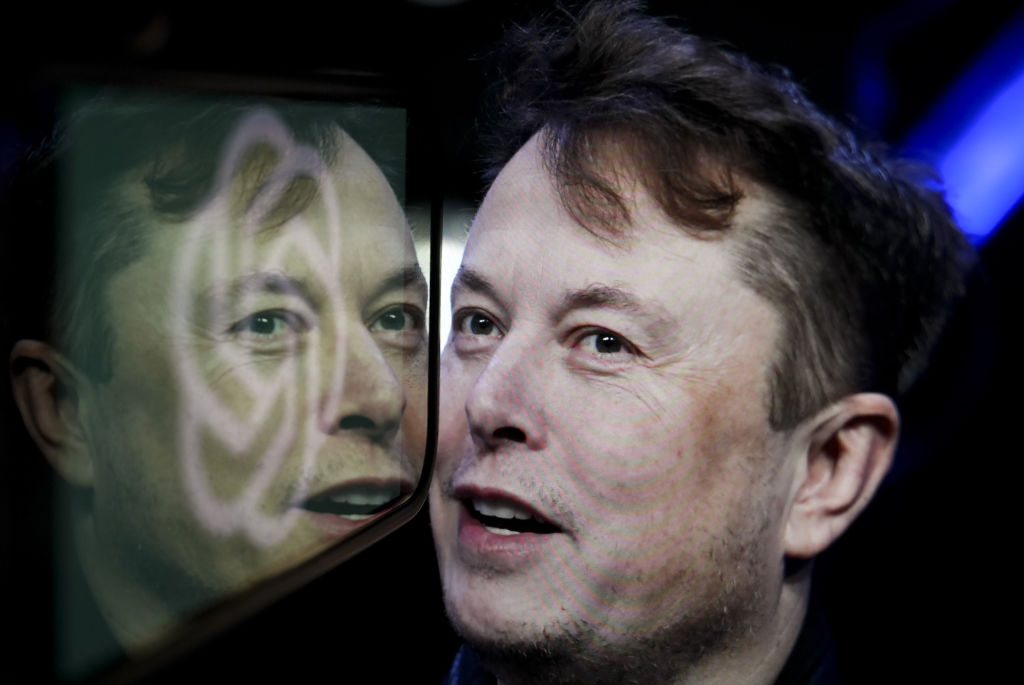
In a recent California federal court session, Elon Musk, the CEO of Tesla and SpaceX, found himself at the center of a legal battle that scrutinized his past tweets and their alignment with his courtroom statements. The case revolves around Musk’s allegations against OpenAI’s co-founders, particularly Sam Altman, accusing them of deviating from the organization’s original nonprofit mission to benefit humanity.
The Genesis of OpenAI and Musk’s Involvement
OpenAI was established with the noble intent of advancing artificial intelligence (AI) for the greater good. Musk, a co-founder, was deeply invested in this mission, both ideologically and financially. He contributed approximately $38 million to the organization between 2015 and 2017. However, tensions arose when OpenAI transitioned into a for-profit entity, a move Musk contends was a betrayal of its foundational principles.
The Crux of the Legal Dispute
Musk’s lawsuit asserts that Altman and his co-founders stole a charity by transforming OpenAI into a profit-driven enterprise. He claims that this shift was executed without proper consultation and in contradiction to the organization’s original mission. Musk’s legal team argues that the co-founders’ actions have compromised the integrity and purpose of OpenAI.
Cross-Examination and Contradictions
During cross-examination, OpenAI’s attorney, William Savitt, presented evidence suggesting that Musk had been involved in discussions about OpenAI’s structural changes. Notably, Musk had explored the possibility of integrating OpenAI into Tesla and had considered establishing a for-profit arm where he would hold the majority stake. These revelations challenge Musk’s narrative of being blindsided by OpenAI’s transition.
The Role of Musk’s Tweets
A significant aspect of the trial was the examination of Musk’s tweets. Savitt highlighted instances where Musk’s public statements on Twitter appeared to contradict his courtroom testimony. For example, Musk had previously tweeted about Tesla’s pursuit of artificial general intelligence (AGI). However, under oath, he admitted that Tesla is not currently working on AGI, directly contradicting his earlier public statements.
Implications for Tesla and OpenAI
These contradictions raise questions about Musk’s credibility and the consistency of his public communications. For Tesla shareholders, such discrepancies are concerning, as they may impact investor confidence and the company’s stock performance. For OpenAI, the lawsuit’s outcome could influence its governance structure and future direction.
Broader Context: Musk’s Legal Entanglements
This case is not an isolated incident. Musk has a history of legal challenges stemming from his tweets. In 2018, he faced a lawsuit over a tweet claiming he had secured funding to take Tesla private, which was later deemed false and misleading by a federal judge. Such instances underscore the potential legal ramifications of public statements made by high-profile executives.
The Path Forward
As the trial progresses, the court will need to determine the extent to which Musk’s tweets can be considered reliable representations of his intentions and the truth. The case also highlights the broader issue of how public statements by corporate leaders can impact legal proceedings and corporate governance.