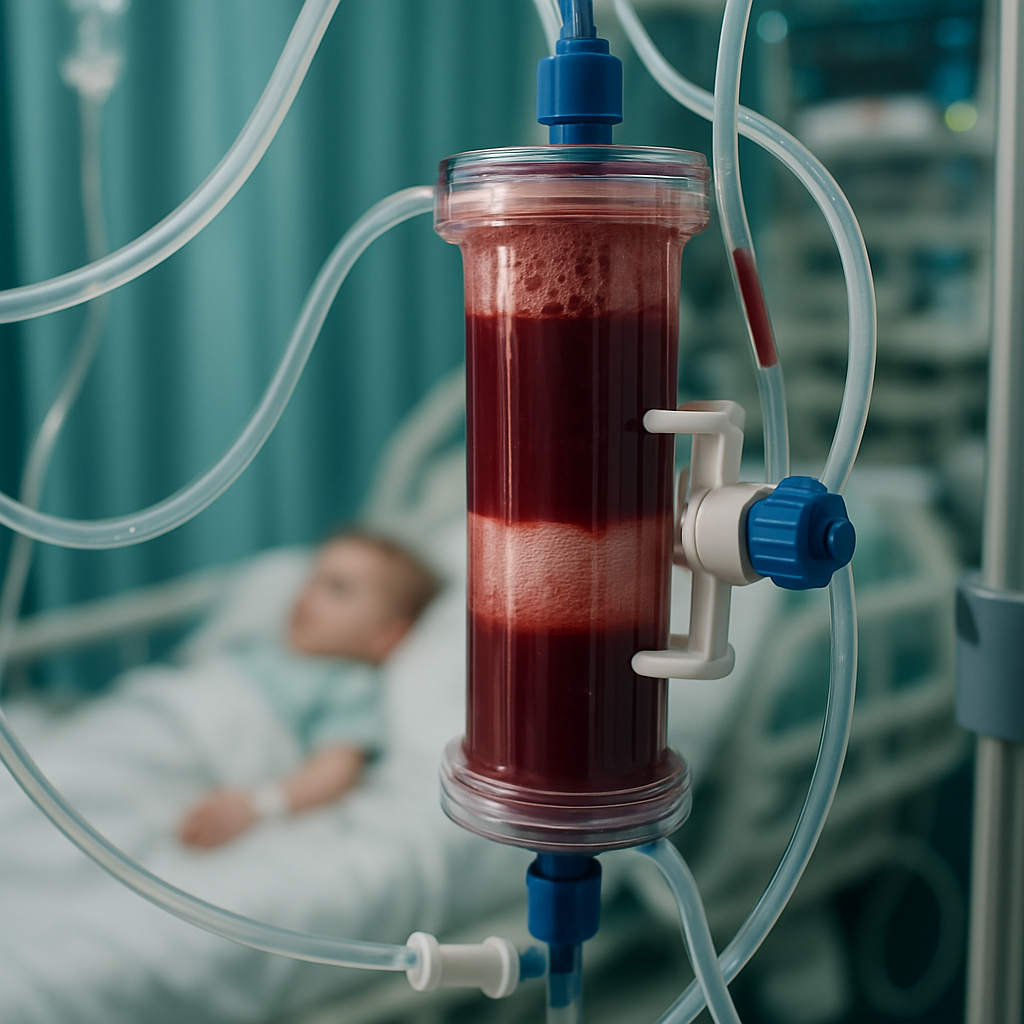
Sepsis, an intense inflammation triggered by infection, remains a major threat to children globally, causing nearly three million deaths each year among those under five. One startup, Efferon, is working to cut that number through an innovative medical device that filters out deadly toxins and cytokines—steering treatment toward more rapid recovery and fewer cases of organ failure in pediatric patients.
Efferon recently introduced a pediatric-specific iteration of its blood purification technology called Efferon NEO. Unlike existing systems that focus on either endotoxins or cytokines, this device is designed to remove both simultaneously. The co-founder and CEO argues that sepsis involves a dual assault—endotoxins like infection and cytokines like an overwhelming immune response—and that addressing both is essential.
Official Recognition and Global Usage
In April, Efferon NEO earned the CE mark in Europe, making it the first multimodal blood purification device engineered specifically for young children with sepsis. Hospitals across 30 countries—including in Europe, Saudi Arabia, and Thailand—have begun using the device in their intensive care units.
The company aims to secure U.S. regulatory clearance next.
From Lab Discovery to Commercial Momentum
The technology behind Efferon NEO originated in research by scientists at Moscow State University, including co-founder Ivan Bessonov. This academic foundation was later paired with commercial leadership when experienced entrepreneur Dima Romashin joined earlier this year as CEO to help bring the technology into clinical use.
Efferon already manufactures absorbers for adult sepsis cases, but NEO was developed with the physiology of children in mind—especially their lower blood volume. The device is tailored to meet those needs.
On the business side, Efferon expects to reach about $2 million in annualized revenue by the close of 2026. It has been recognized by major startup programs, including being named among the Startup Battlefield 200 at a major tech conference.
Unlike fast-growing AI or software firms where success is often measured in valuation or scale, Efferon measures its achievements by lives saved—specifically, getting more children out of hospitals healthy. For this team, each discharge means more than any headline.
What this development means could be significant for pediatric critical care: as antibiotic resistance grows and standard therapies fall short in severe cases, devices that can filter both toxins and inflammatory mediators may become increasingly vital. The upcoming FDA approval process will be especially telling—not only for Efferon’s future, but for how medical device regulation responds to innovations tailored for children. If everything goes smoothly, Efferon might soon change the standard of care in places where pediatric sepsis remains a leading cause of mortality.