Apple’s App Store is facing renewed scrutiny after a Russian bank’s client app, disguised as a kitchen design tool, soared to the top of the US iPhone App Store charts. The case continues a troubling trend of apps tied to sanctioned foreign banks bypassing Apple’s review process.
What’s going on?
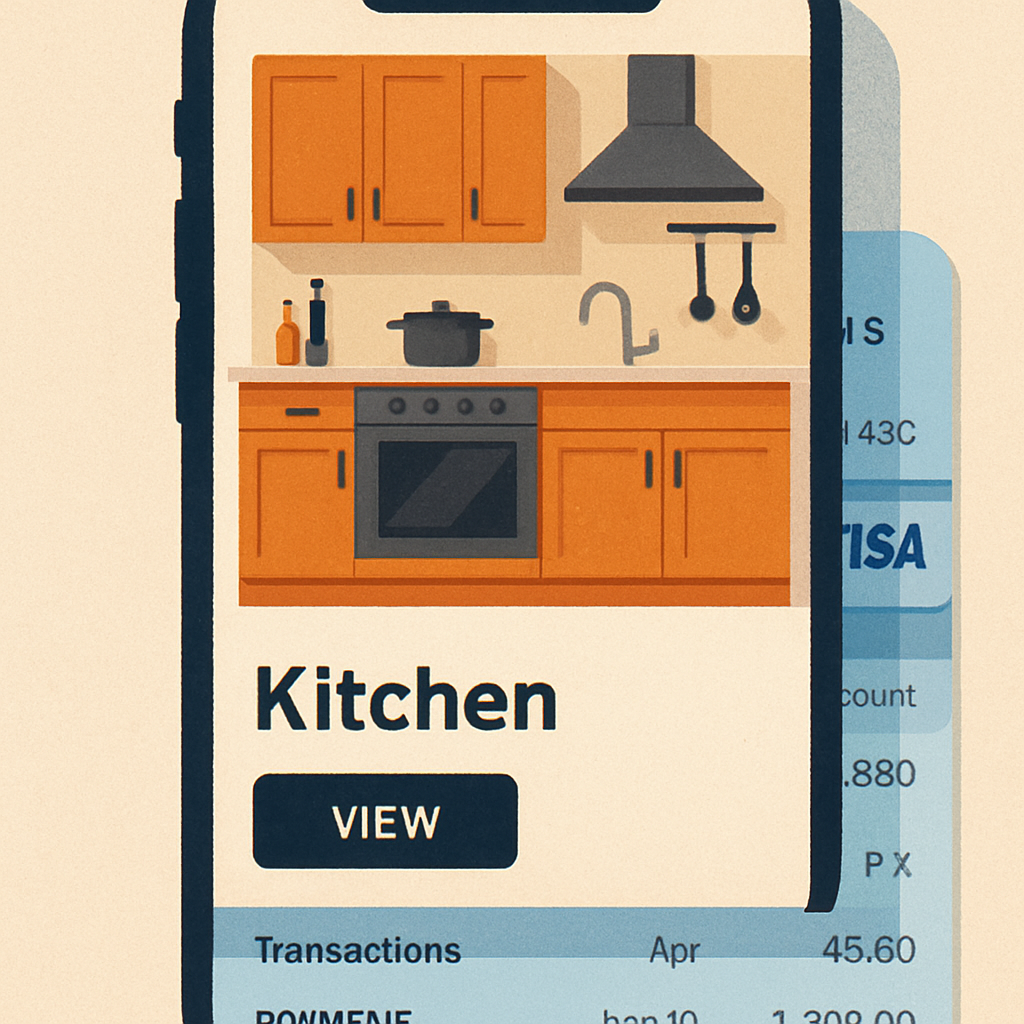
The app, called “K8CHEN PRO,” appears in listings as an AR-powered kitchen modeling application. Once users open it, however, its true nature becomes obvious: it functions as a client app for T-Bank, a Russian bank hit with US sanctions. Its privacy policy—generated using a generic tool—fails to match its actual purpose. Developers behind this app were seemingly attempting to mask its real functionality to pass Apple’s review undetected. The app’s disguise didn’t last online: as it climbed the App Store charts, its real identity came under scrutiny.
Why this is significant
This isn’t an isolated incident. In June, three similar cases came to light where apps connected to US-sanctioned Russian banks were posted to the US App Store under misleading descriptions. These earlier apps, like K8CHEN PRO, misrepresented their purpose until user reports and chart rankings exposed them. The apparent pattern suggests a repeated effort to place banned banking clients on major platforms while evading enforcement.
App Store review guidelines are supposed to detect such misleading apps. Yet in these cases, Apple’s vetting process failed to catch them before launch. Critics are asking how apps that blatantly mask their connection to sanctioned entities are routinely approved and promoted—and only drawn out after media attention.
Apple has not publicly responded to this particular case. Previous incidents raised concerns about the company’s ability to police its app ecosystem, especially amid geopolitical tensions where sanctioned entities may try to use digital channels to regain access.
This issue carries broader implications for consumer trust, platform governance, and regulatory enforcement in the app economy. When banned entities slip in disguised form, it undermines both legal sanctions and the integrity of app marketplaces.
Looking ahead, Apple may face pressure to tighten its app review and monitoring workflows—using more robust identity verification and deeper content inspections—so apps tied to banned organizations can’t exploit the system. Users and watchdogs will be looking closely to see whether this latest case pushes Apple to change its policies for good.