Cybercriminals Exploit FIFA World Cup 2026: A Surge in Sophisticated Scams
As the FIFA World Cup 2026 approaches, cybercriminals are capitalizing on the global excitement, launching a series of sophisticated scams targeting fans worldwide. Security researchers and law enforcement agencies have identified a significant increase in fraudulent activities, including fake websites, banking malware, and phishing campaigns designed to steal personal and financial information.
Proliferation of Fraudulent Domains
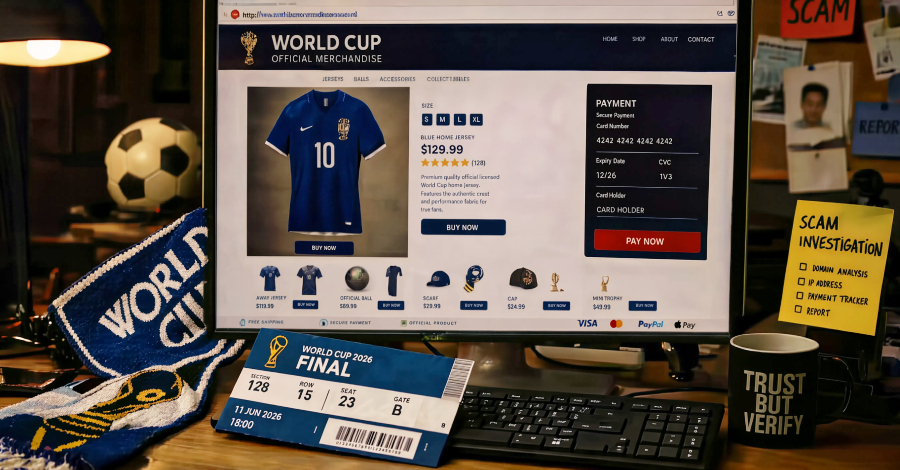
Security firm FortiGuard Labs reported the registration of over 13,000 World Cup-themed domains between January and May 2026, with approximately 8.8% identified as malicious or suspicious. These domains often mimic official FIFA websites, luring unsuspecting fans into providing sensitive information or making payments for non-existent tickets and merchandise.
GHOST STADIUM: A Notorious Phishing Operation
A particularly concerning operation, dubbed GHOST STADIUM, has been uncovered by cybersecurity firm Group-IB. This Chinese-speaking, financially motivated group has deployed a sophisticated phishing campaign involving over 300 cloned FIFA websites. These sites replicate FIFA’s official login pages with remarkable accuracy, including the genuine client ID from the live site and images loaded directly from FIFA’s servers. This meticulous attention to detail makes the fraudulent sites nearly indistinguishable from the real ones.
The primary objective of GHOST STADIUM is to harvest login credentials. Once a victim enters their details, the attackers can reset passwords, effectively locking out the legitimate user and gaining control over their FIFA account. This access allows them to resell any associated tickets or personal information on the black market.
Diverse Scamming Techniques
Beyond phishing, cybercriminals are employing a variety of tactics to exploit World Cup enthusiasts:
– Fake Ticket Sales: Fraudulent websites offer tickets that don’t exist, leading fans to pay substantial amounts for counterfeit or non-existent tickets.
– Malicious Streaming Services: Scammers promote free or premium access to live matches through fake streaming platforms. These services often require users to download applications that are laced with malware, compromising their devices and personal data.
– Counterfeit Merchandise: Bogus online stores sell fake World Cup merchandise, resulting in financial loss and potential exposure to further scams.
– Betting Scams: Fraudulent betting platforms entice users with attractive odds and bonuses, only to steal deposited funds and personal information.
Social Media: A Tool for Deception
Social media platforms have become a primary channel for distributing these scams. Cybercriminals create fake accounts impersonating official FIFA entities, teams, or popular players to promote fraudulent links. They engage with fans through comments, private messages, and posts, building trust before directing them to malicious websites or convincing them to share sensitive information.
Malware Distribution Through Streaming Apps
Researchers have identified malware campaigns disguised as FIFA World Cup 2026 streaming applications. One such operation distributes malicious Android APKs associated with BTMob malware, capable of remote access, credential theft, notification harvesting, OTP interception, and crypto-mining activity. These applications request extensive permissions, including accessibility services and notification access, compromising user devices upon installation.
Operational Scale and Persistence
The scale and persistence of these fraud operations are alarming. Many threat actors operate across hundreds of domains simultaneously and frequently relaunch infrastructure after takedowns. The registration patterns indicate accelerating campaign activity as the tournament approaches, with a sharp surge in themed domain registrations observed between December 2025 and April 2026. This growth pattern suggests that threat actors are actively preparing infrastructure ahead of peak tournament demand, when fan urgency and online engagement are expected to increase significantly.
Protecting Yourself from World Cup Scams
To safeguard against these scams, fans should adopt the following precautions:
1. Verify Sources: Always access FIFA-related information through official channels. Check URLs carefully for misspellings or unusual domain names.
2. Be Skeptical of Unsolicited Offers: Be cautious of emails, messages, or ads offering free tickets, exclusive merchandise, or streaming services. If it sounds too good to be true, it likely is.
3. Avoid Downloading Unverified Apps: Only download applications from official app stores and verify the developer’s credibility.
4. Use Strong, Unique Passwords: Ensure your FIFA account and associated services have robust, unique passwords. Enable two-factor authentication where possible.
5. Monitor Financial Statements: Regularly review bank and credit card statements for unauthorized transactions.
6. Stay Informed: Keep abreast of the latest scam tactics by following updates from reputable cybersecurity sources and official FIFA communications.
Conclusion
The FIFA World Cup 2026 is a global celebration of football, drawing millions of fans worldwide. However, this enthusiasm also attracts cybercriminals eager to exploit the event for financial gain. By staying vigilant, verifying sources, and adopting robust cybersecurity practices, fans can protect themselves from falling victim to these sophisticated scams and enjoy the tournament safely.