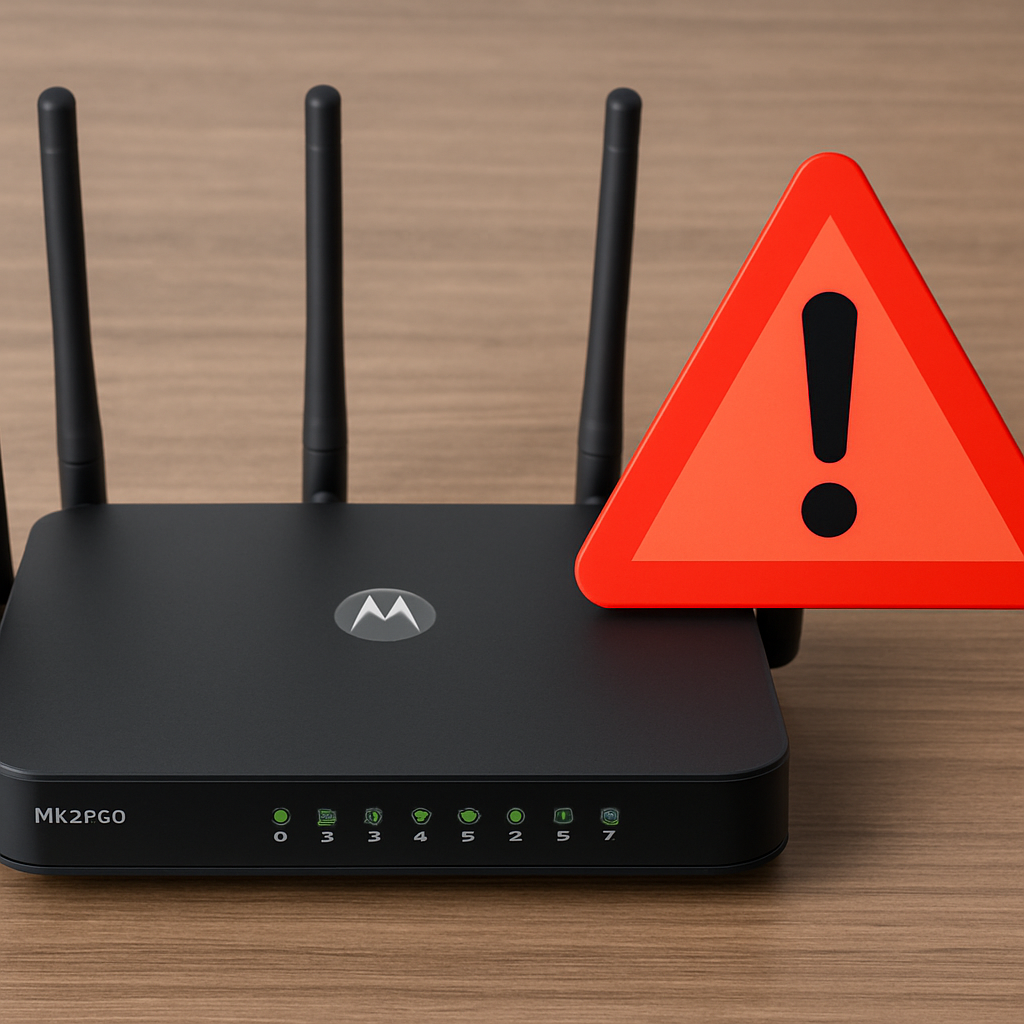
A critical security flaw has been identified in Motorola’s MR2600 Wi-Fi routers, enabling attackers to execute arbitrary code remotely. This vulnerability stems from improper input validation during the firmware update process, allowing unauthorized users to upload and install malicious firmware images without authentication.
The MR2600 router’s firmware update mechanism is designed to accept images in the SEAMA format, performing checks on header values to ensure integrity. However, the firmware upload handler inadequately validates the entire HTTP multipart request instead of the uploaded file itself. This oversight permits attackers to bypass authentication by submitting a specially crafted request that the router misinterprets as legitimate.
Once the malicious firmware is uploaded, the router’s firmware validation endpoint, which should require authentication, can be exploited due to inconsistent URL matching rules. By appending specific parameters to the URL, attackers can deceive the router into treating protected requests as publicly accessible. Consequently, the router processes the malicious firmware, leading to code execution upon reboot.
Exploiting this vulnerability grants attackers extensive control over the router, including the ability to alter network configurations, monitor traffic, deploy malware, or use the device as a launchpad for further attacks within the network. The exploit is feasible for unauthenticated users on the local network and potentially over the internet if remote management is enabled.
Motorola’s MR2600 router has reached its end-of-life status, and there is ambiguity regarding responsibility for addressing this security issue. Users are strongly advised to discontinue the use of MR2600 routers and transition to supported devices with active security updates to mitigate potential risks.
This incident underscores the critical importance of robust input validation and secure firmware update processes in network devices. Manufacturers must prioritize these aspects to prevent unauthorized access and ensure the integrity of their products. Users should remain vigilant, regularly update their devices, and replace hardware that no longer receives security support to maintain a secure network environment.