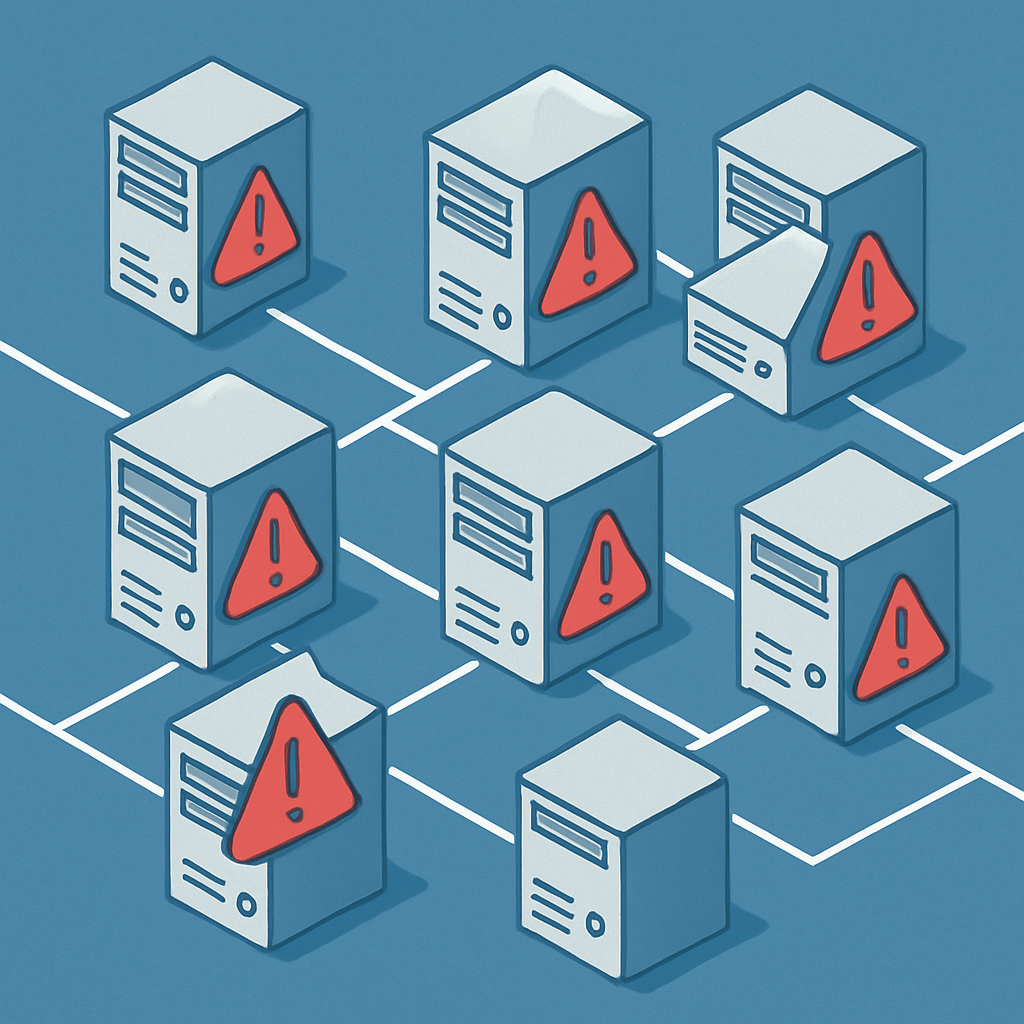
Most Sangoma Switchvox users may be exposed to a major vulnerability that permits unauthenticated attackers to gain full remote code execution privileges. The issue resides in Switchvox SMB Edition 8.3 (build 104997), where a SQL‐injection flaw in the /pa endpoint allows attackers to execute arbitrary commands via the underlying PostgreSQL database. The vulnerability affects versions 8.3, and patches are available in version 8.4.0.2 released on July 14, 2026.
How the Attack Works
The flaw, tracked as CVE-2026-9586 and given a 9.3 critical rating, stems from how Switchvox handles XML content beginning with
Exploit in the Wild
Evidence of the vulnerability being weaponized has mounted since August 30, 2026. Researchers monitoring Switchvox honeypots have observed active exploit attempts involving reverse shells and encoded commands used to survey processes on compromised hosts. In some attacks, logs reveal malicious SQL injection payloads in files like /var/log/switchvox/db-quirks.log on devices with SSH enabled. One IP address linked to many such exploit attempts, 176.65.148[.]184, is flagged for port scanning, brute forcing, and further exploitation.
Of particular concern is the number of exposed devices. Roughly 4,000 Switchvox instances globally—most located in the U.S.—are publicly accessible and potentially vulnerable. The bugs enable attackers to extract sensitive data (such as cookie signing keys), manipulate user accounts, and escalate privileges to administrative levels within the Switchvox web interface. Attackers can also run arbitrary code on the compromised machine, effectively taking full control.
What You Should Do Now
Users running Switchvox 8.3 should upgrade to version 8.4.0.2 or later immediately. Ensure exposure to the internet is limited; devices not meant for remote access should be blocked off. Conduct audits on logs—especially looking for signs of exploitation in files like db-quirks.log—and be on the lookout for unusual behavior or reverse shell activity. Applying network segmentation, enabling proper firewall rules, and disabling SSH if not required are also recommended mitigations.
Security teams and enterprises using Sangoma Switchvox must treat this vulnerability as urgent. The fact that reverse shells are being deployed in the wild means this is no longer theoretical: it’s active. Every exposed system is a potential breach waiting to happen.
Why this matters: Switchvox is used by many institutions for voice over IP, making this vulnerability a potential gateway into critical communications infrastructure. Attackers gaining full control over a Switchvox instance could not only eavesdrop on calls but also impersonate users or disrupt operations entirely. With thousands of exposed systems still online, organizations must assume they are targets. In coming days, watch for proof-of-concept tools and further attacks building on this flaw—handling them now will be far cheaper than remediating a full breach later.