Apple may be laying the groundwork for a new Apple TV 4K. A recent revision to a support document suggests that the current third-generation model won’t be the last. As part of the fine print describing Apple Music’s Hi-Res Lossless tier, Apple notes that feature is available on “Apple TV 4K (3rd generation or later),” a phrase that implies at least one newer model already exists—or is close to being announced.
That wording is interesting, because the third-generation Apple TV 4K is the current flagship set-top box. The phrasing “or later” could be a preemptive way of covering upcoming hardware, or it could be nothing more than legal caution or an unintentional hint. Either way, the change adds fuel to speculation that a refresh is coming.
What We Know and What’s Expected
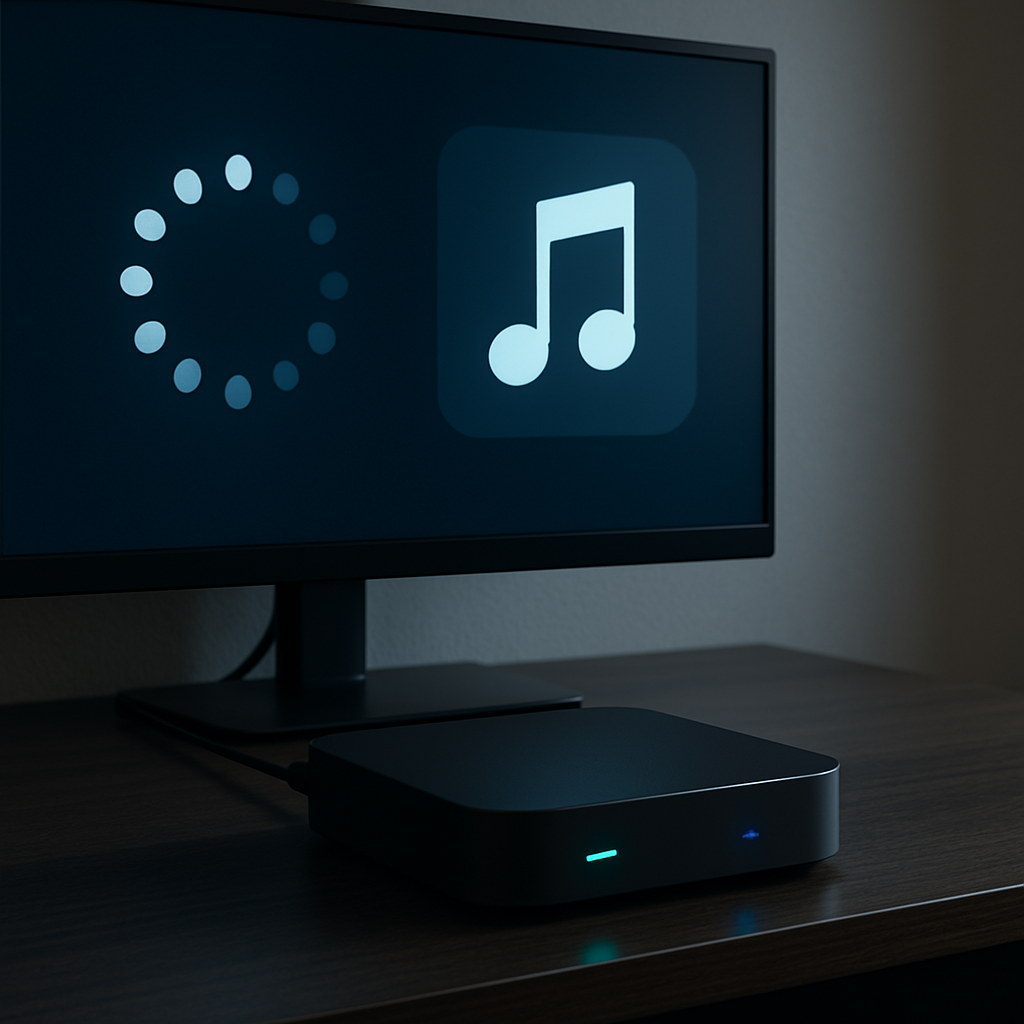
Rumors point toward a launch as soon as October for the next Apple TV 4K. Early reports suggest the new model could be powered by Apple’s A19 or A19 Pro chip, bring 8 to 12 GB of RAM, and support Apple Intelligence features and an upgraded Siri AI implementation. Hardware may also include a custom “N1” wireless chip with Wi-Fi 7 support, along with a revamped Siri Remote. Imagery that has surfaced reveals no major changes to the box’s appearance; visually, the new version could look very similar to the current model.
Some context: the existing Apple TV 4K (3rd generation) has been on the market since October 2022. It uses an A15 Bionic chip and 4 GB of RAM. Earlier this year, Apple raised the base U.S. price to $199, citing rising memory chip costs. Every year, even absent a new model, Apple adds small updates—firmware tweaks, performance patches—but a full refresh has been overdue.
Why This Matters
Upgrading to a newer chip like the A19 or Pro, along with more RAM and Wi-Fi 7, could significantly improve performance, especially for streaming high-definition or 4K content with lower latency. Enhanced Siri AI and Apple Intelligence features would deepen the box’s role as a smart home hub—not just a streaming player. For users invested in Apple Music, lossless and hi-res lossless with greater hardware capability could become a more seamless experience.
It’s also worth considering Apple’s broader ecosystem pressure. Competitors—ranging from Roku to Amazon Fire TV—are pushing upgraded streaming boxes with modern chips, AI-assisted features, and faster wireless protocols. Apple’s delay may have allowed streaming hardware rivals to pull ahead in responsiveness and network speed. A new model would let Apple reclaim ground.
We may see the new Apple TV 4K officially revealed at one of Apple’s October events. Key things to watch: whether it includes the A19 Pro, how much RAM it gets, whether Siri’s interaction style gets overhauled, and what changes, if any, come to the remote. If Apple sticks with the same case design, the upgrades may be all under the hood—but enough to make a difference for power users.