Modern malware operators are increasingly sidestepping security controls by rapidly rotating their infrastructure. Domains, hosting services, phishing flows and URLs are shifting so fast that today’s threat intelligence becomes stale almost as soon as it’s collected. Analysts locked into reactive detection mechanisms — like blocking one indicator of compromise (IOC) at a time — find themselves scrambling to keep up, leaving companies exposed during the lag.
Why Rotating Infrastructure Poses a Growing Threat
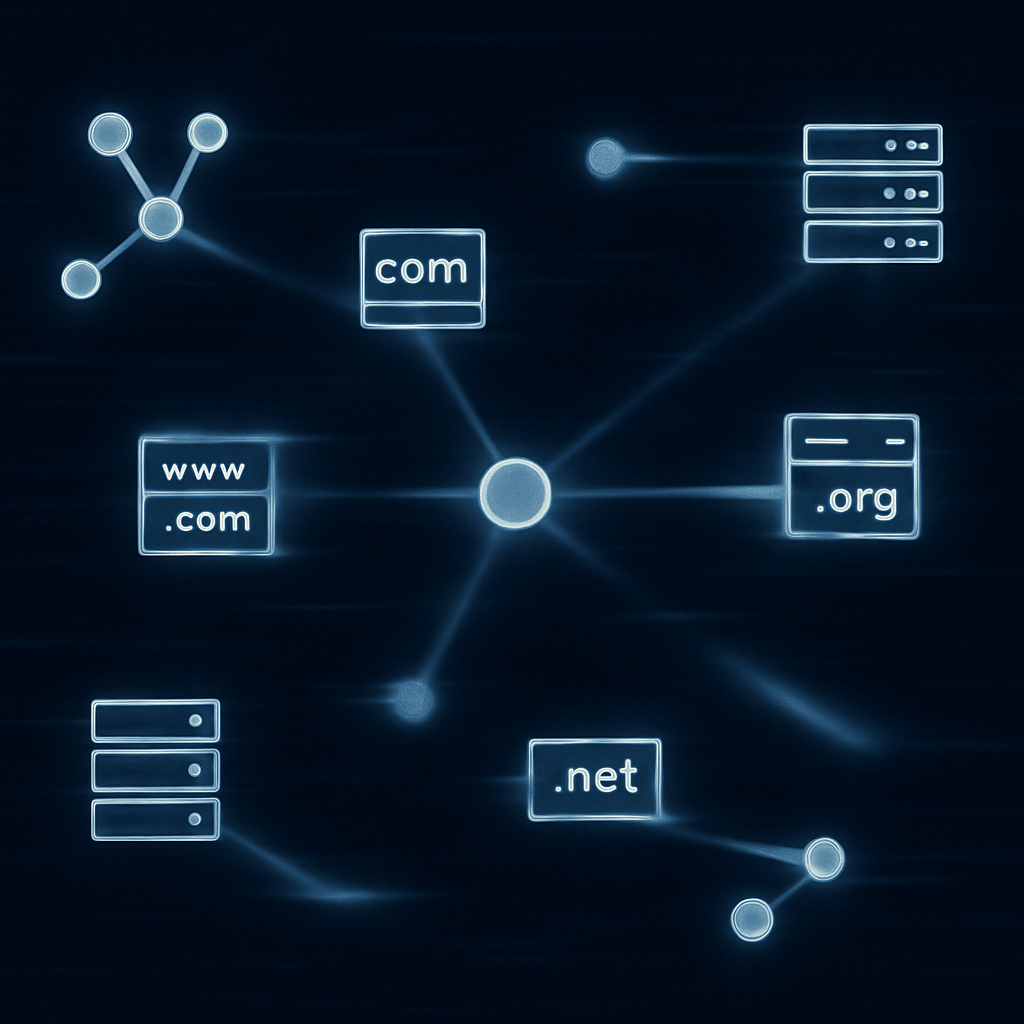
Threat actors don’t always invent entirely new attack methods; they often reuse proven techniques while swapping out the infrastructure behind them. That means domains, IPs, hosting providers and phishing kits are churned constantly to evade detection systems. As a result, many indicators lose relevance almost immediately.
Recent investigations highlight how pervasive this issue has become. One remote monitoring and management (RMM) phishing campaign, initially thought to be confined to Canada and using fake tax forms, was later revealed to affect 46 countries — with nearly half of its activity in the U.S. Analysts spotted 425 malicious URLs spread across 240 hosts, but 94% of those hosts were only active for a single day.
Another campaign, dubbed 3DBlast, demonstrates how threat actors layer evasive infrastructure with evolving phishing techniques. It impersonated popular services like Microsoft 365, Office 365 and Google, while using Browser-in-the-Browser, OAuth / device-code phishing, adversary-in-the-middle and DOM relay attacks. The constantly shifting tactics and infrastructure meant that many IOCs became obsolete almost immediately.
Strategies to Stay Ahead of the Rotation
To close the detection gap, security operations centers (SOCs) need more than old IOCs — they require continuously updated, high-fidelity threat intelligence, visibility into emerging infrastructures, and strong investigative context when alerts fire. Without these capabilities, rapid infrastructure changes open windows of exposure.
Fresh intelligence feeds sourced from real-world sandbox investigations are one powerful tool. These feeds provide unique indicators directly into SIEM, SOAR, firewall systems and other defenses, helping ensure that defenses don’t lag behind threats. When feeds include high volume of unique IOCs and ultra-low false positives, they stop being noisy burdens and start being reliable sources of detection.
Another critical pillar is pivoting: going from a single alert to exploring connected infrastructure, historical threat activity and behavior across environments. Sandbox sessions and threat-lookup tools enable analysts to see what an alert is part of — whether it’s one-off noise or a signal from a wider campaign using rotating hosting, domain, or phishing swings. That richer context allows for faster, more accurate decisions, and reduces time-to-detection and time-to-response (MTTD / MTTR).
When fed into existing controls, continuously updated indicators and investigative context form a feedback loop. Analysts observe new malicious infrastructure, defenses adapt with minimal delay, incidents are investigated with better insight, and detection improves before the next wave of change hits.
Rotating infrastructure doesn’t mean attackers are reinventing every campaign — it means they’re swapping what’s visible while keeping methods mostly consistent. SOC leaders should shift from attempting to manually block every new IOC to building systems that adapt automatically via fresh threat intelligence and long-term infrastructure visibility. Keeping detection aligned with the pace of infrastructure change is the real path to a resilient defense.
What this means: As threat actors evolve their infrastructure faster than indicators can age, security teams must prioritize intelligence feeds that are timely and filtered, invest in tools that provide investigative context, and integrate these defenses deeply into their existing SOC architecture. Watching where new malicious infrastructure shows up — not just what it is — may make all the difference in staying ahead.