In Episode 45 of The Sideload, 9to5Google hosts Will Sattelberg and Daniel Bader sit down with Kevin Michaluk (aka Crackberry Kevin) and Jeff Gadway of Clicks to dig into the upcoming Clicks Communicator smartphone. Their conversation surfaces three major takeaways: the complications of opening a consumer hardware company during a global RAM shortage, the unexpected return of physical keyboards, and the pitfalls of trying to please everyone.
Launching a First-Gen Phone Amid a RAM Supply Crunch
Clicks is a hardware newcomer, originally known for its physical keyboard accessories. The Communicator is its first full-fledged Android smartphone. Because it’s a debut device, every design decision is under more scrutiny—and none more so than the RAM choice. With memory prices rising and parts being redirected toward larger players, sourcing enough high-quality RAM without breaking the product’s price belt is a serious uphill climb.
Rather than skimping, Clicks bumped the Communicator’s RAM to 12 GB from earlier planned levels. That move aligns with the elevating demands of modern smartphones—especially as operating systems, apps, and features keep expanding in memory usage. Managing these hardware pressures while balancing costs and timelines is central to how Clicks defines its launch strategy.
Why Physical Keyboards Aren’t Just Nostalgia
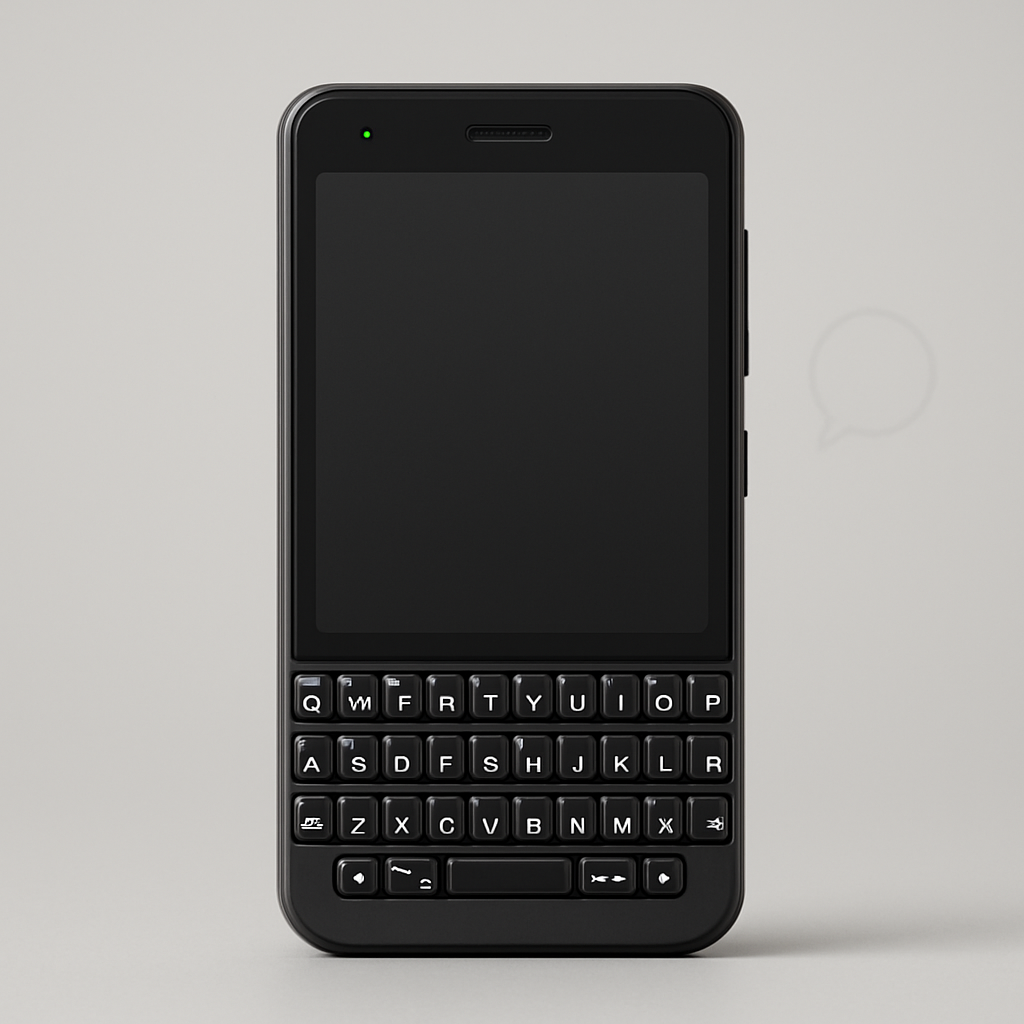
Unlike the slim touchscreen slabs dominating the market, the Communicator integrates a physical QWERTY keyboard—an increasingly rare design choice. Michaluk and Gadway argue it’s not about nostalgia but workflow: tactile feedback, thumb-based typing, and physical keys that don’t require looking are seen as productivity boosters, especially for users who spend a lot of time typing messages, emails, or documents.
Beyond the keyboard itself, Clicks is going all in on communication-first software. Features include a message hub that aggregates conversations from apps like Gmail, Telegram, WhatsApp; a “Prompt Key” shortcut for quick voice recordings or initiating voice-to-text; and a notification light that visually cues messages via color. Every element is built to reinforce typing and messaging, often at the expense of other traditional smartphone capabilities.
Resisting Feature Creep—Avoiding the Jack-of-All-Trades Trap
One theme Michaluk and Gadway keep returning to is how many modern phones try to solve every use-case and end up a mediocre compromise. The Communicator’s mission is narrower: it doesn’t aim to be your ideal gaming rig, or premiere camera phone—though its specs are competent—but to excel at communication and typing.
This specialization is both its strength and its risk. By intentionally limiting its feature set, Clicks gains clarity and may build a devoted user base. But it also runs the danger of being overlooked by mainstream consumers who expect flagship benchmarks in every category. Execution, especially stability, keyboard precision, and user experience in the messaging domain, will matter more than ever before launch.
The Communicator is targeting a December 2026 ship date, with upgrades in recent weeks that better match its promise: Android 17 instead of 16, a slightly larger battery, and benefits for early reservation holders. Pricing during the early reservation window is $499, set to rise afterward. By solidifying these specs now, Clicks is staking its reputation on doing fewer things better.
What this means: the Clicks Communicator represents a counter-trend in mobile phones. At a time when manufacturers pile on features—cameras, displays, AI, foldables—Clicks is betting users are craving focus. The next few months will show whether demand exists for a communication-centric device in a market conditioned to chase spec sheets. If the Communicator delivers on its core promise, this could influence what mature smartphone lines build toward: specialization, clarity, and letting users trade breadth for depth. But it’ll have to prove that dialing things back can actually move the needle.