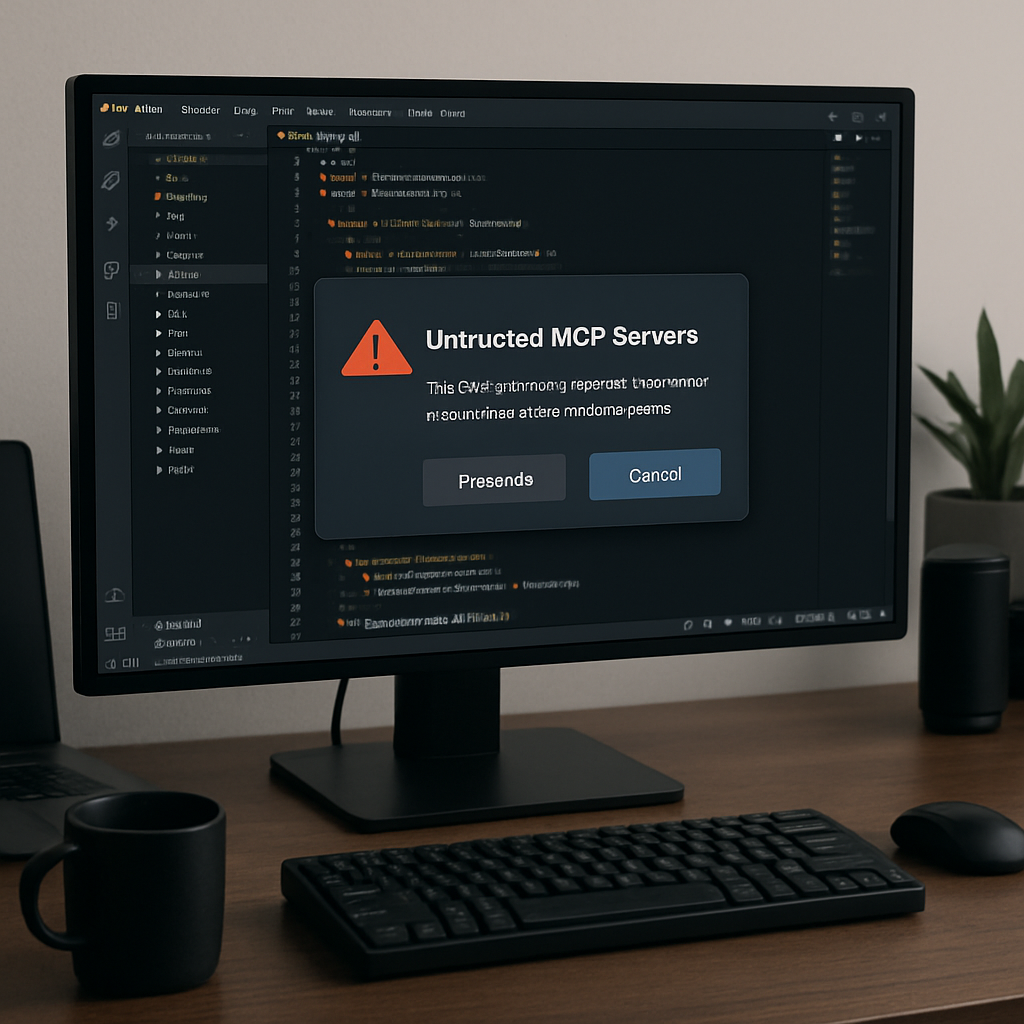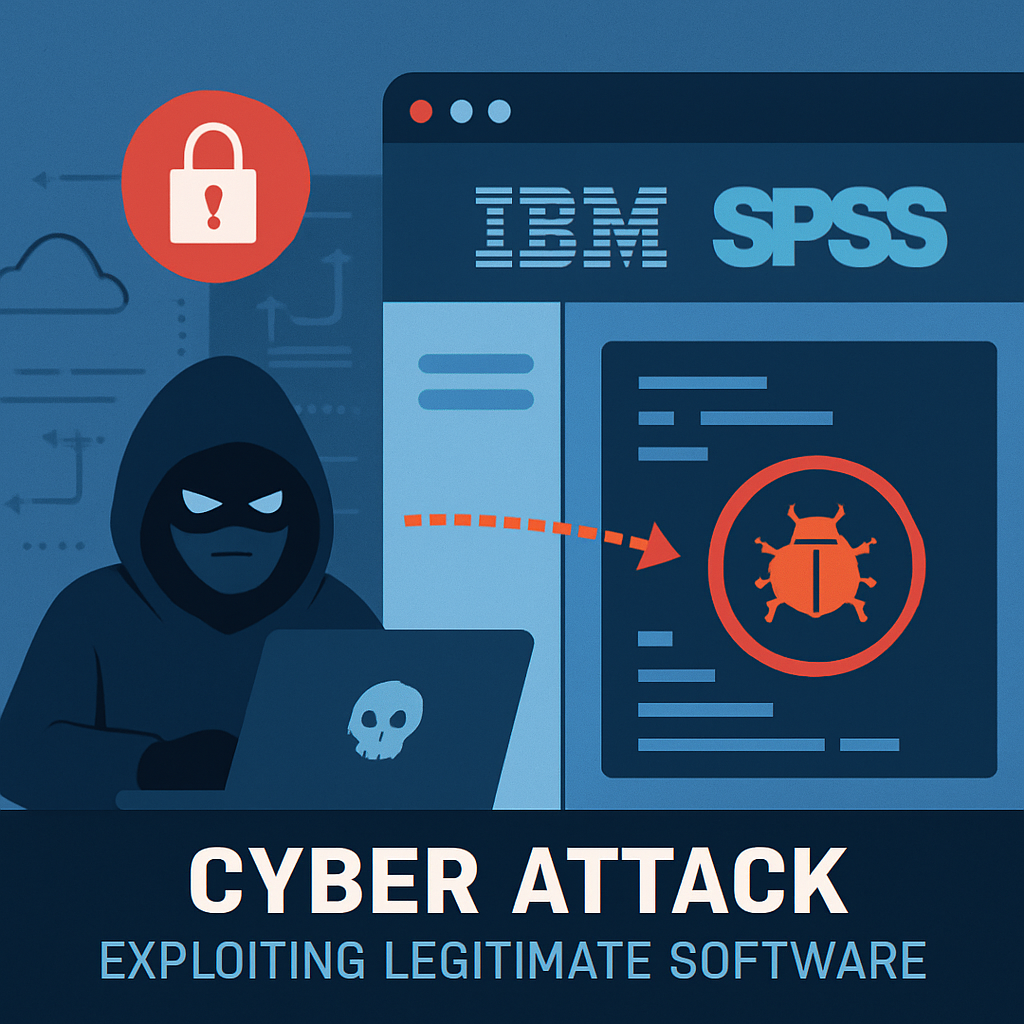
A recent cybersecurity campaign has unveiled a sophisticated attack method leveraging the ClickFix technique to deploy a previously undocumented remote access trojan (RAT) named CNCMachineRMS. This campaign stands out due to its exploitation of legitimate, signed software—specifically, the IBM SPSS WinWrap Basic Integrated Development Environment (IDE)—to execute malicious code, thereby evading traditional security measures.
Exploitation of IBM SPSS IDE
The attack initiates with a ClickFix lure, a social engineering tactic that deceives users into executing commands under the guise of routine troubleshooting. In this instance, the attackers utilize the IBM SPSS WinWrap Basic IDE, a legitimate and signed application, to execute malicious scripts. By directing the IDE’s scripting engine toward harmful files, the attackers effectively mask their activities within trusted software, reducing the likelihood of detection.
To further obfuscate their actions, the attackers employ four decoy Dynamic Link Libraries (DLLs) and leverage a standard Windows date-formatting feature to execute shellcode. This multi-layered approach complicates the detection process and delays the identification of the final payload.
Capabilities of CNCMachineRMS RAT
CNCMachineRMS is not merely a simple downloader; it provides attackers with extensive control over compromised Windows devices. Its functionalities include:
- Interactive command shell access
- File browsing capabilities
- Screenshot capture
- Creation of new local user accounts
- Establishment of persistent access
- Deployment of additional malicious tools
Upon initial execution, the RAT captures a screenshot and collects system information such as domain details, security identifiers (SIDs), privilege levels, hardware serial numbers, and installed antivirus software. It then communicates with its command-and-control server at regular intervals, allowing attackers to adapt their strategies post-infection. The inclusion of a custom scripting language enables dynamic behavior modification without the need to rebuild the malware.
Implications and Recommendations
The exploitation of legitimate, signed software like IBM SPSS WinWrap Basic IDE underscores the evolving sophistication of cyber threats. By embedding malicious activities within trusted applications, attackers can effectively bypass traditional security defenses. Organizations must enhance their security protocols by implementing behavioral analysis tools capable of detecting anomalies in software behavior, even when originating from legitimate applications. Additionally, continuous user education on recognizing and avoiding social engineering tactics like ClickFix is crucial in mitigating such threats.
As cyber adversaries continue to refine their methods, it is imperative for organizations to adopt a proactive and layered security approach. This includes regular software audits, stringent access controls, and the deployment of advanced threat detection systems to identify and neutralize threats before they can cause significant harm.