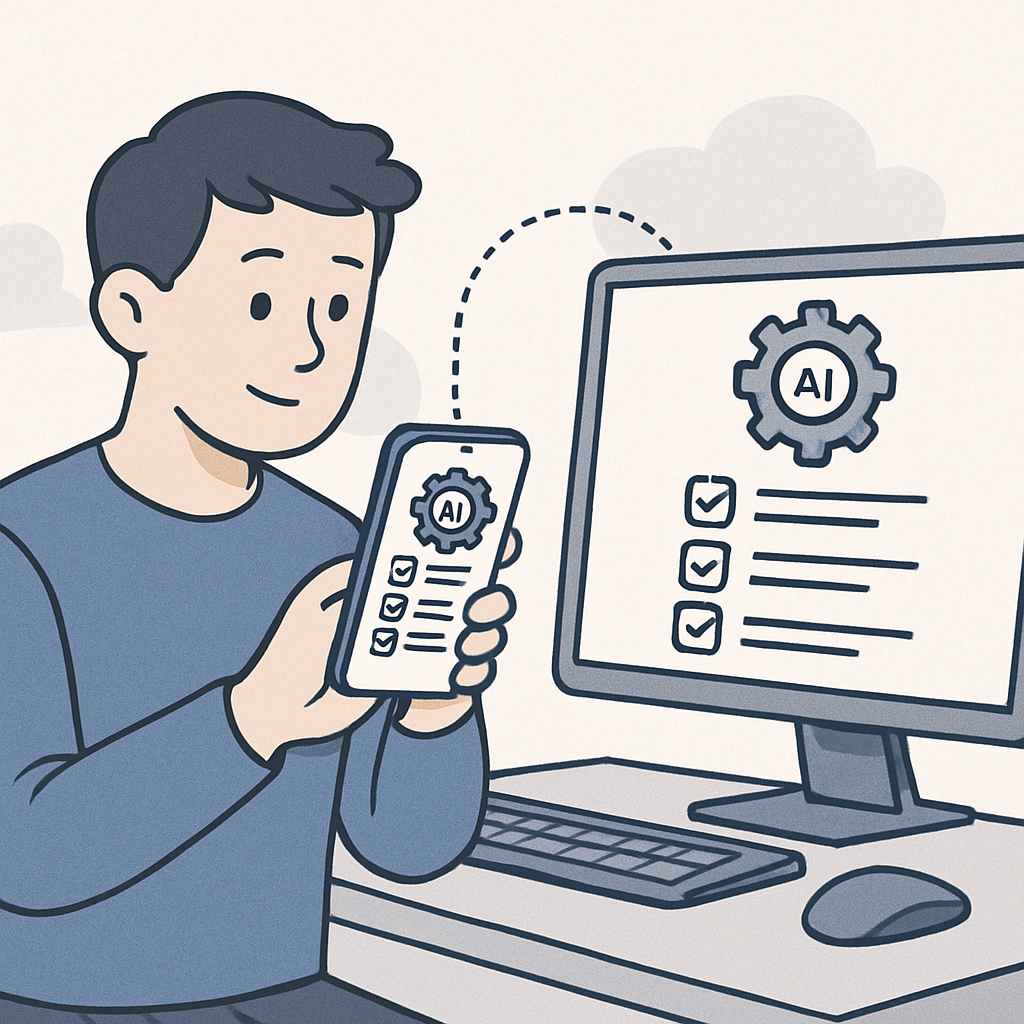
Claude has unveiled a significant enhancement to its Cowork feature, enabling users to remotely manage and continue AI-driven sessions across mobile and web platforms. This development marks a shift toward persistent AI task execution, allowing users to delegate complex workflows to Claude and monitor progress from any device, including smartphones.
Previously confined to desktop environments, Claude Cowork now supports cross-device continuity. Users can initiate a task on a laptop and seamlessly resume or review progress from a mobile device without interruption. The feature is currently in beta and is being gradually rolled out, starting with Max plan users.
Claude Cowork functions as an AI agent capable of handling multi-step tasks across integrated tools, including email, calendars, messaging apps, local files, and web resources. Unlike traditional AI chat interactions, Cowork focuses on executing entire workflows rather than providing single responses.
Usage insights indicate that over 90 percent of Cowork activity involves non-programming tasks, primarily business operations and content creation. This trend underscores the growing role of AI in routine enterprise workflows. Common applications include analyzing financial data, generating reports, organizing contract repositories, and preparing client presentations using multiple data sources. These tasks often span several hours or days, making continuous background processing a critical feature.
A notable update is Claude’s ability to continue working even when the user’s device is offline. Scheduled tasks can run autonomously, allowing users to assign jobs such as preparing meeting briefs or drafting communications in advance. For instance, a user can schedule Claude to analyze emails, transcripts, and news updates early in the morning and generate a complete briefing document before the workday begins.
The system also introduces real-time decision checkpoints. When Claude encounters a step requiring human input, it sends a prompt directly to the user’s phone. This ensures that users retain control over critical decisions while allowing the AI to handle execution. Importantly, no final output is delivered or shared without explicit user approval, maintaining a human-in-the-loop safeguard.
From a cybersecurity perspective, this expanded access model introduces new considerations. Cross-device synchronization and persistent background execution increase the attack surface, particularly if mobile devices are compromised. Unauthorized access to Cowork sessions could expose sensitive enterprise data, including emails, internal documents, and business analytics. Additionally, integrations with multiple third-party tools may create potential entry points for data leakage if not properly secured.
The consolidation of chat and Cowork into a unified interface also raises concerns around session management and access control. If authentication mechanisms are weak or sessions are not properly isolated, threat actors could potentially hijack active workflows. Security experts may need to evaluate how Claude handles encryption, session tokens, and device-level authentication to mitigate such risks.
Claude has emphasized that users maintain final approval over all outputs, which helps reduce the risk of unauthorized actions. However, as AI systems become more integrated into daily workflows, organizations must remain vigilant in implementing robust security measures to protect against potential vulnerabilities.
This advancement in Claude Cowork reflects a broader trend in AI development, where tools are becoming more autonomous and integrated across devices. While this offers significant productivity benefits, it also necessitates a heightened focus on security protocols to safeguard sensitive information in an increasingly interconnected digital environment.